
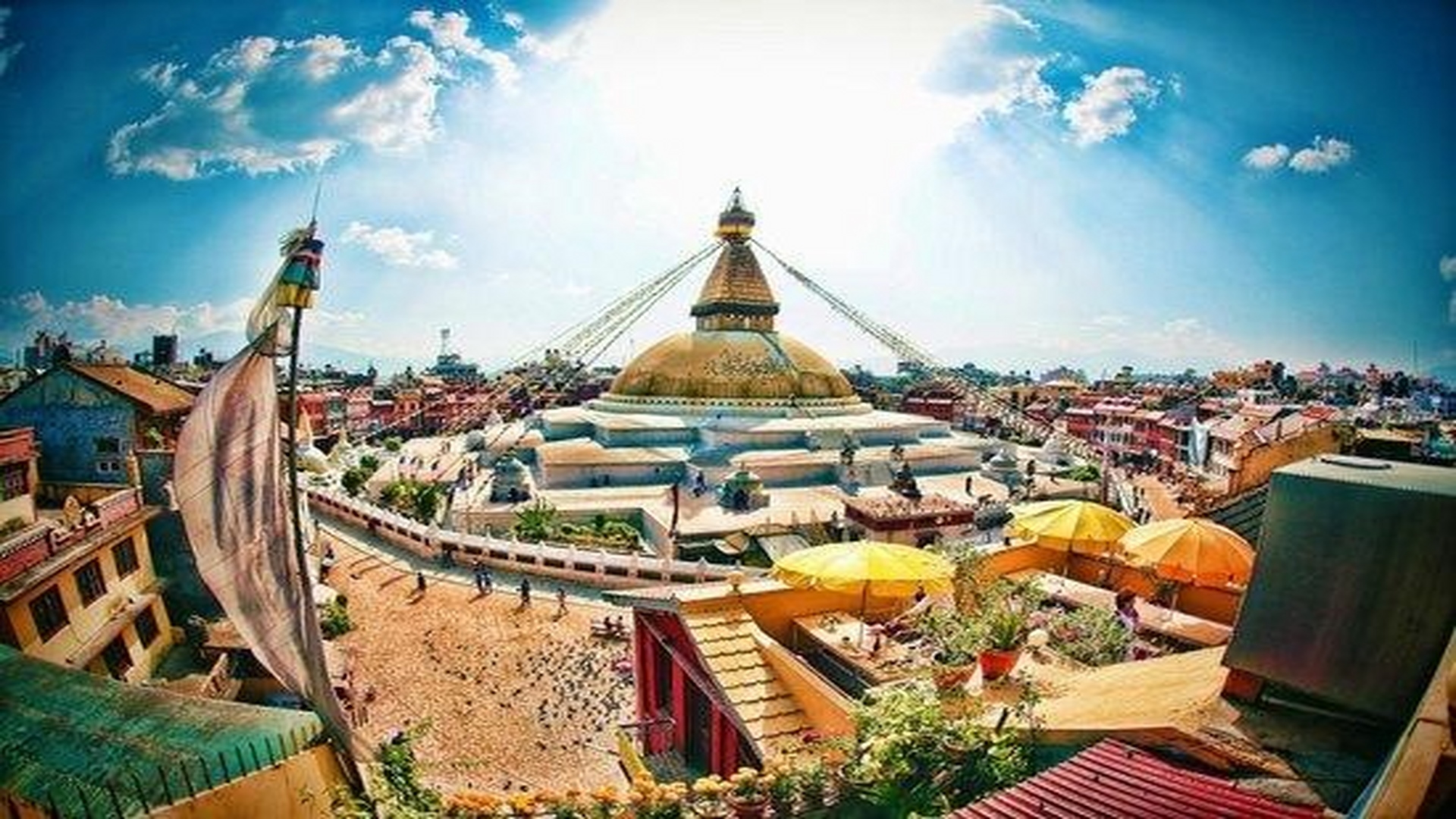
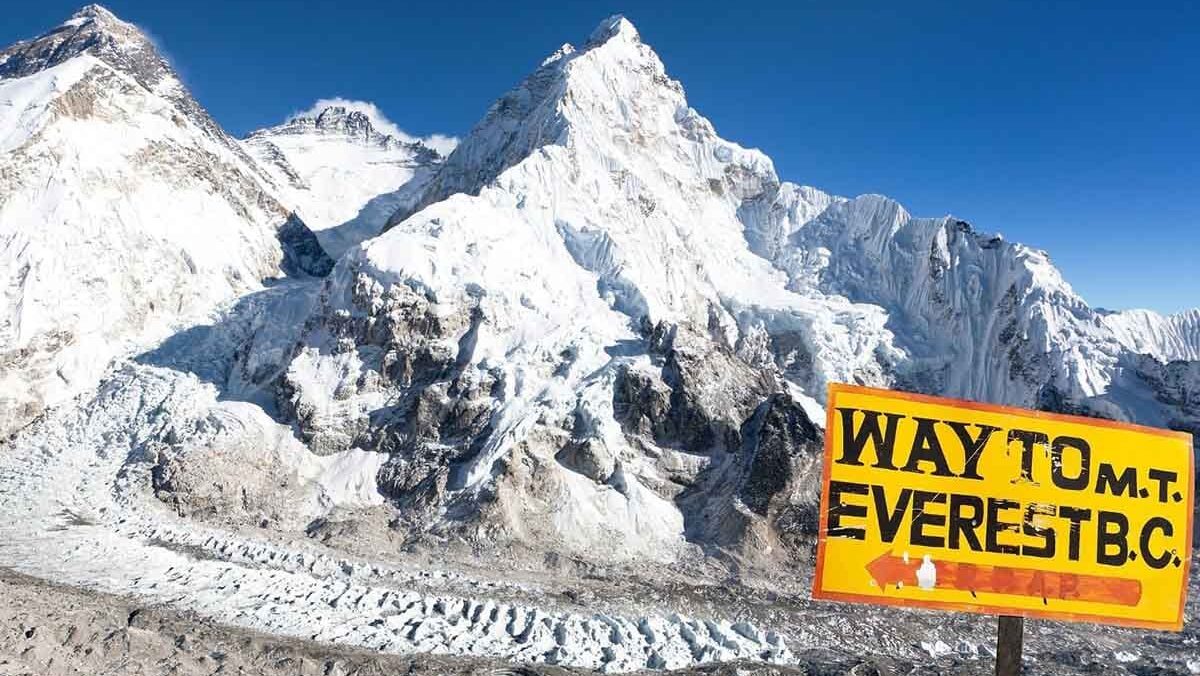
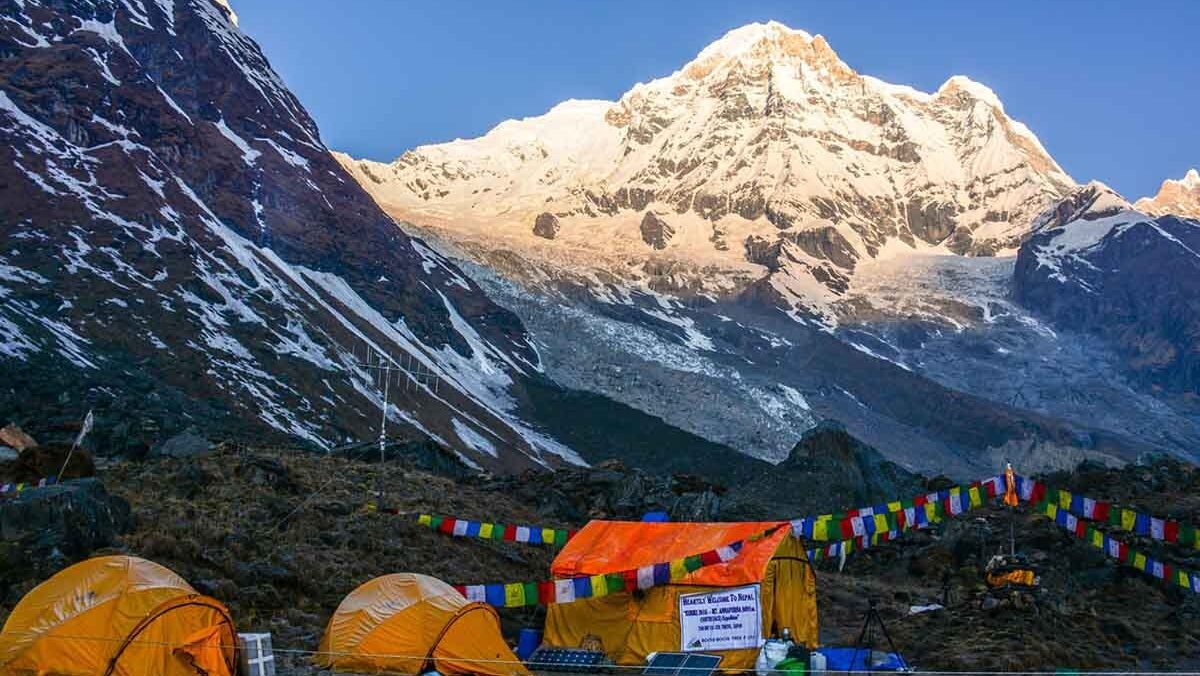
Nepal, situated in the heart of the Himalayas, represents a nation characterized by remarkable beauty and cultural diversity. Renowned for its breathtaking landscapes, including the iconic Mount Everest, recognized as the highest peak in the world, Nepal attracts adventurers, trekkers, and spiritual seekers from various backgrounds. Its capital, Kathmandu, is a vibrant center where ancient temples, bustling markets, and intricate architectural designs harmoniously coexist with contemporary influences. With its UNESCO World Heritage Sites like Swoyambhunath (Monkey Temple) and Pashupatinath Temple, the Kathmandu Valley is a hub for culture and spirituality.
Nepal’s varied topography extends from the lowland Terai region to the towering peaks of the Himalayas, supporting a remarkable diversity of flora and fauna. The verdant jungles of Chitwan and Bardia National Parks serve as habitats for rare wildlife species, including Bengal tigers, one-horned rhinoceroses, and an array of avian species.
15 days: USD 30
30 days: USD 50
90 days: USD 125
Bhutan emphasizes the preservation of its rich culture and traditions. Visitors can witness traditional architecture, intricate woodwork, vibrant festivals, and daily life influenced by Buddhism, which is deeply ingrained in Bhutanese society. They can also experience vibrant festivals like Tshechu, traditional dress, and ancient Buddhist sites.
Bhutan’s public holidays are rooted in its Buddhist traditions and national celebrations.
These holidays offer a chance to experience Bhutanese culture and festivals, but services may be limited during these times.
Vajrayana Buddhism is Bhutan’s predominant religion and is central to daily life. The country is adorned with monasteries, stupas, and sacred sites, each with its own unique significance. The iconic Tiger’s Nest Monastery, perched precariously on a cliff, symbolizes Bhutanese identity spirituality.
Nepali are celebrated for their warmth and hospitality. The country accommodates numerous ethnic groups and languages, contributing to a rich cultural tapestry. Traditional festivals such as Dashain and Tihar are observed with great enthusiasm, giving visitors a window into local customs and traditions.
Nepal’s relatively predictable weather can be broken down into four climatic seasons: spring (March-May), monsoon/summer (June–August), autumn (September–November), and winter (December–February). The best time to visit Nepal is pre- and post-monsoon (March to April and September to November), especially if you want to trek. Spring (March to May) is particularly beautiful as the rhododendrons bloom, and fall (mid-October to November) is also lovely. That being said, there are still plenty of things to do even in the off-season (not to mention a jam-packed calendar of cultural and religious festivals), so you’re bound to have a brilliant trip no matter when you go.
Nepal has several public holidays, many based on religious and cultural traditions.
The Nepalese Rupee, subdivided into 100 paisa, is Nepal’s official currency. Its exchange rate is pegged to the Indian Rupee at 1.6 NPR to 1 INR, while the conversion rate to US dollars is approximately 137.075 NPR. Cash withdrawals on credit cards are available in Kathmandu and Pokhara but shouldn’t be relied solely on. Travelers’ checks in Pounds Sterling or US Dollars are accepted at banks and major hotels, but exchanging them outside Kathmandu and Pokhara can be challenging. Visa and Mastercard credit cards are accepted only at major hotels, tourist shops, and larger restaurants in these cities.
Nepali cuisine features diverse dishes influenced by ethnicity, soil, and climate from Nepal and nearby regions like Sikkim and Gorkhaland. It is celebrated for its unique flavors and local ingredients. The national dish, Dal Bhat, consists of lentil soup, steamed rice, and vegetable preparation. It is typically accompanied by crispy flatbread, greens, pickle, and spicy sauce. Chicken Choyla is a traditional dish with a distinct spicy flavor. Momos are a popular street food, among other unique dishes, snacks, and drinks in Nepal.