866-501-7477 info@vexploretours.com

Park Hotel Tokyo

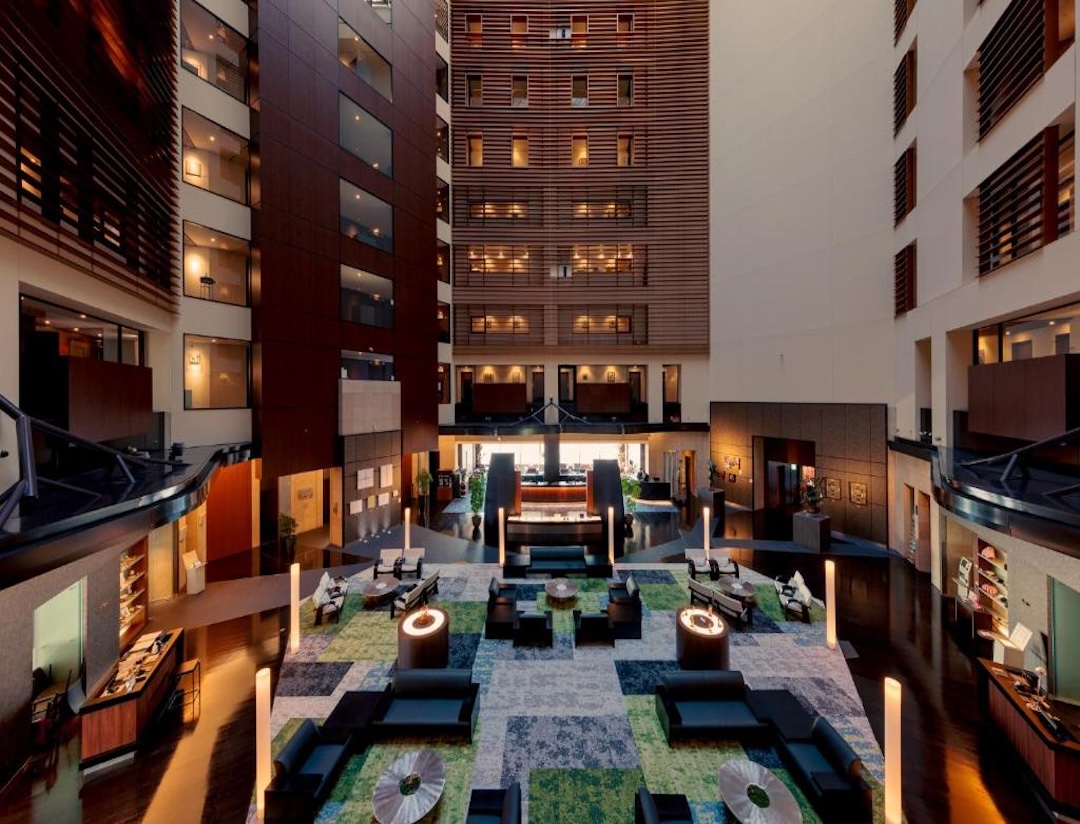
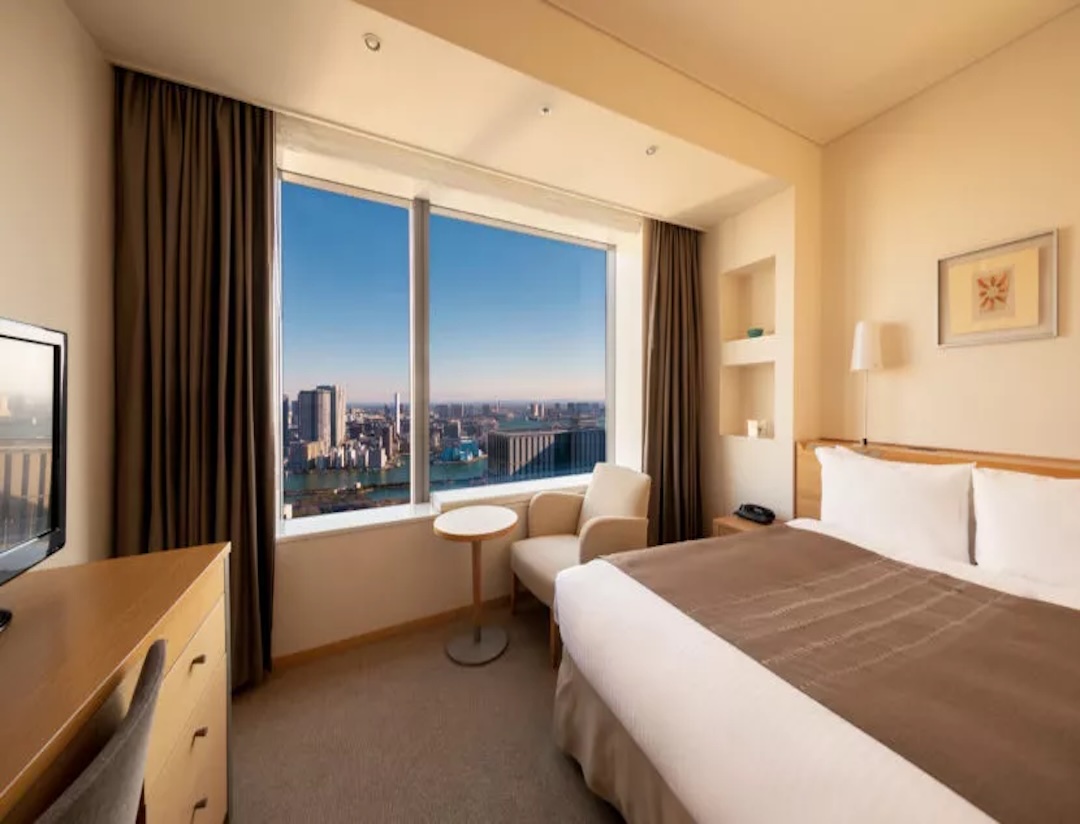
Park Hotel Tokyo is only a 10-minute walk to Hamarikyu Gardens. Shinbashi Train Station is 984 feet away, and Tsukiji Fish Market and the Ginza shopping area are both just a 5-minute taxi ride from the hotel.

  • Class: Superior Class
  • Address: Shiodome Media Tower 1-7-1 Higashi Shimbashi, Minato-ku, Tokyo 105-7227, Japan

Hotel Description

Park Hotel Tokyo is only a 10-minute walk to Hamarikyu Gardens. Shinbashi Train Station is 984 feet away, and Tsukiji Fish Market and the Ginza shopping area are both just a 5-minute taxi ride from the hotel.

Room Category

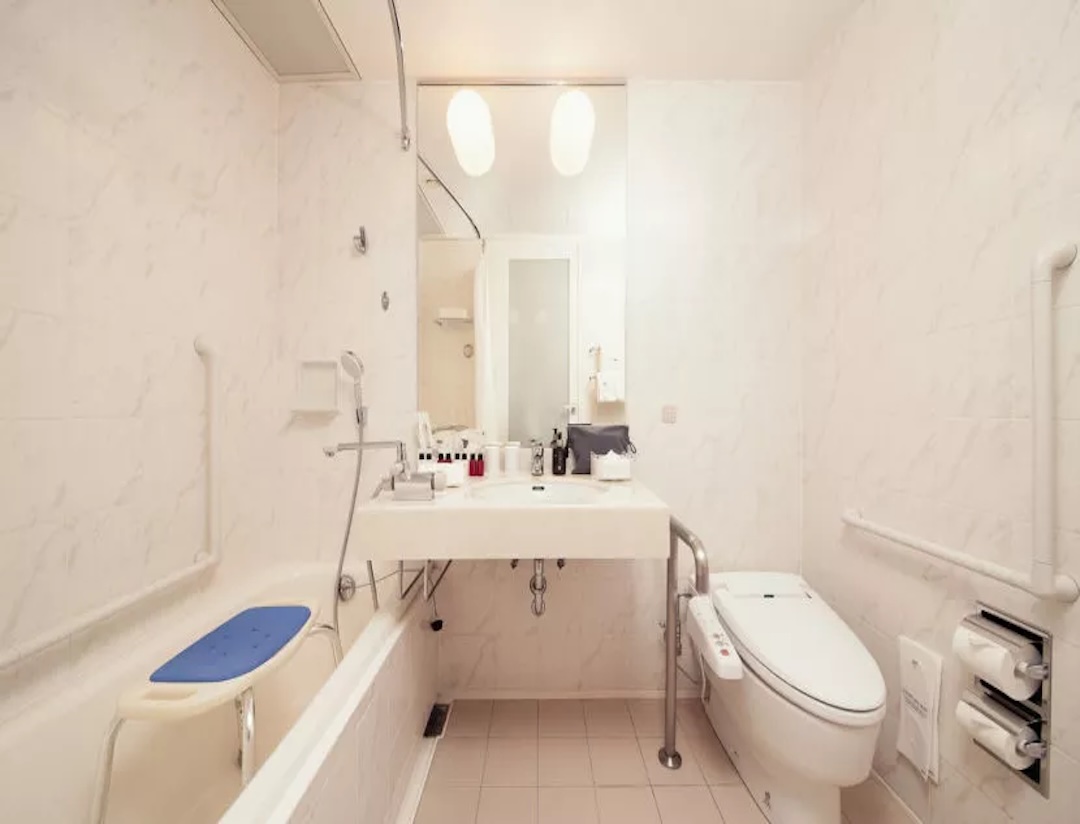
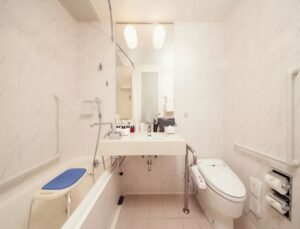
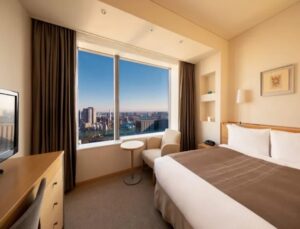
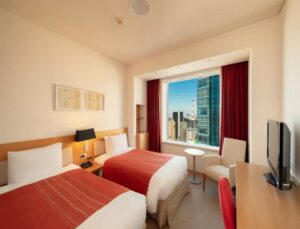
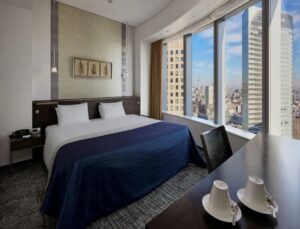
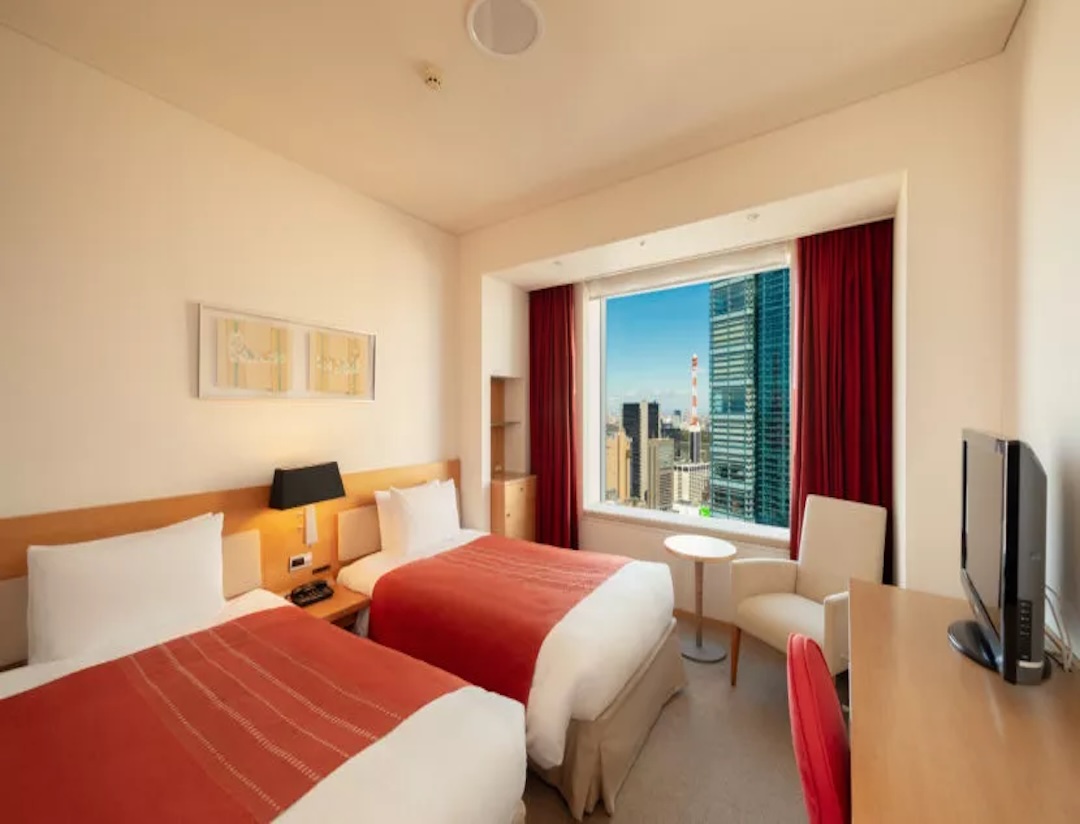
  • Barrier-free: 26 sqm, Twin sized bed, City view. 

Single: 19 sqm, Single sized bed, City view.

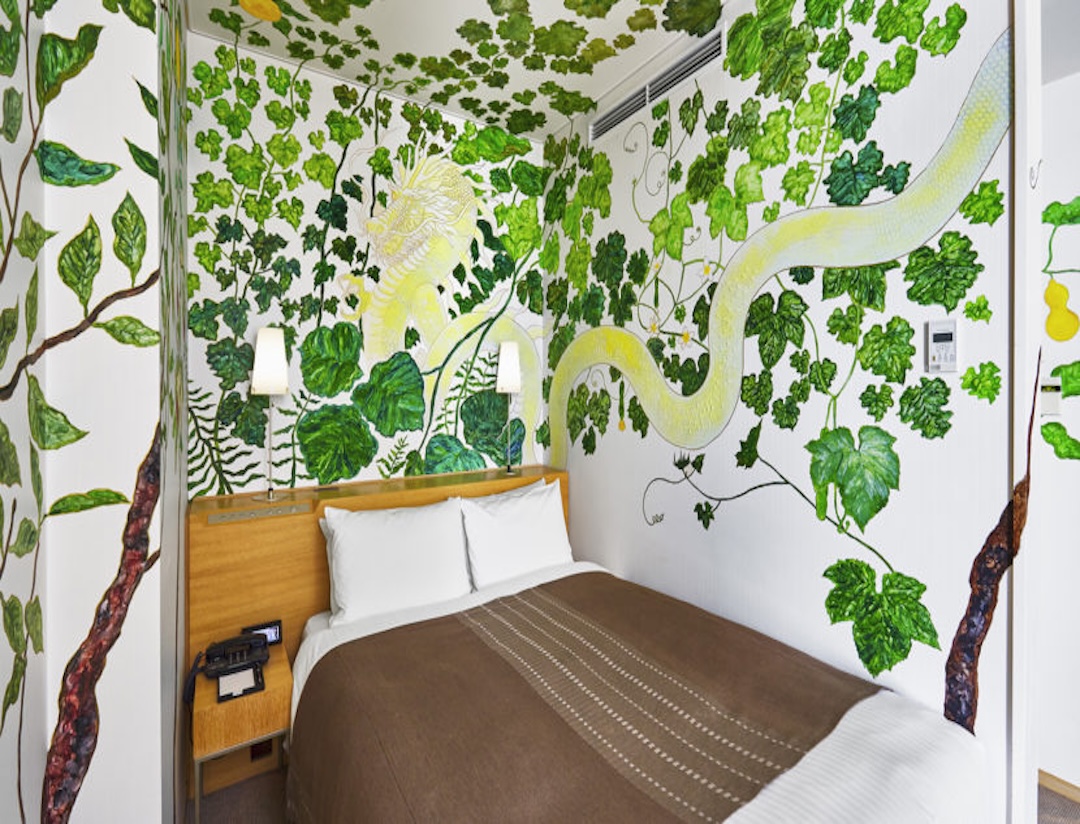
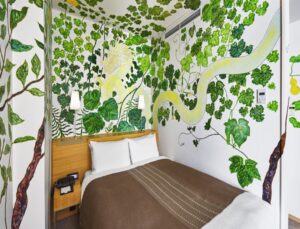
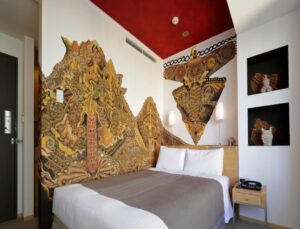
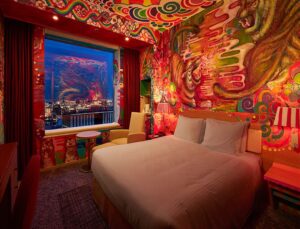
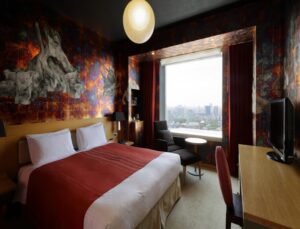
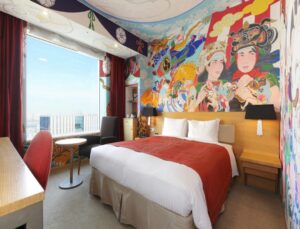
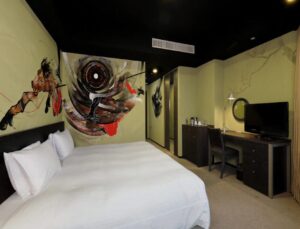
  • Ryuketsu−an: Room 3402, The 32nd artist room was created by artist Asuka Tsutsumi based on a “tea house” theme. Ms. Tsutsumi hopes that guests will be able to relax in this room, where deep, lush, and thickly growing greenery and two dragons create a striking effect. 
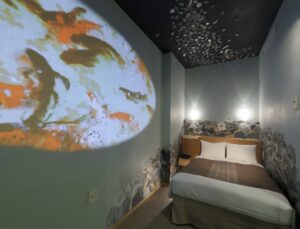
  • Haiku: Room 3102, The 23rd artistr room on the theme of “Haiku”. As the first for an Artist Room, it is decorated with moving images and sound effects. Explore a poet’s feeling and delight creating a line or two of haikus, in the middle of nature at the Artist Room Haiku, located on the 31st floor of a high-rise building.
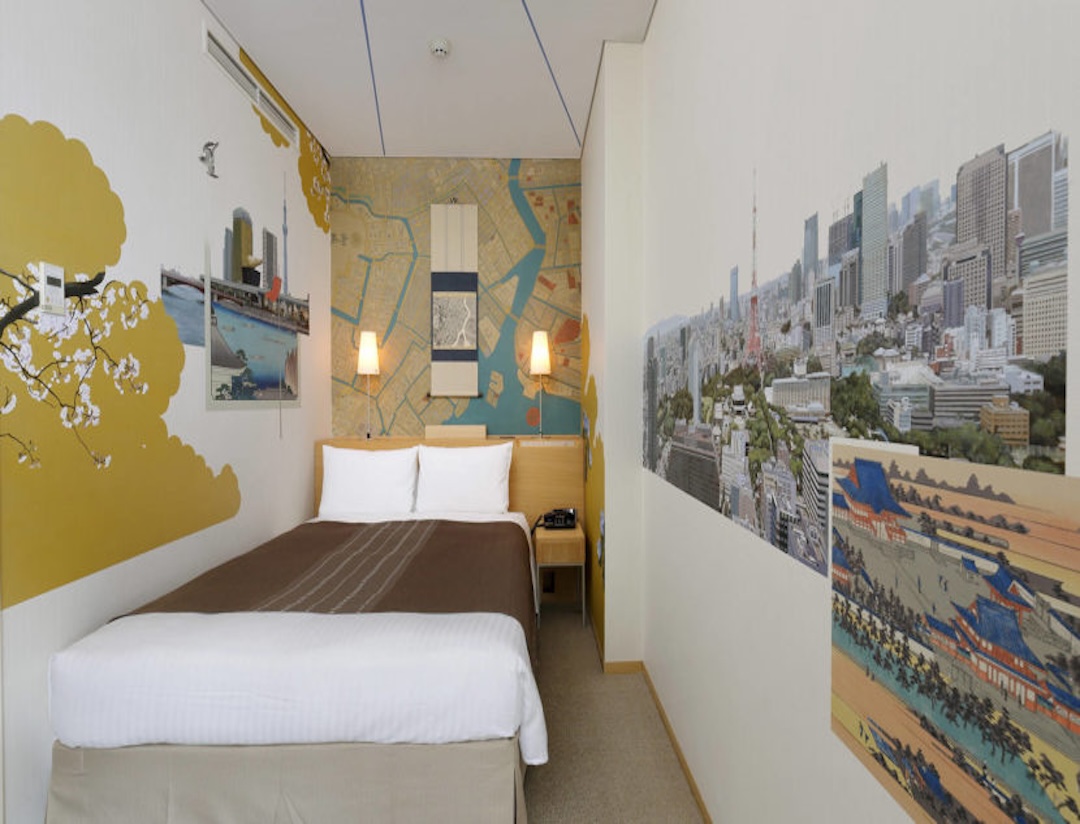
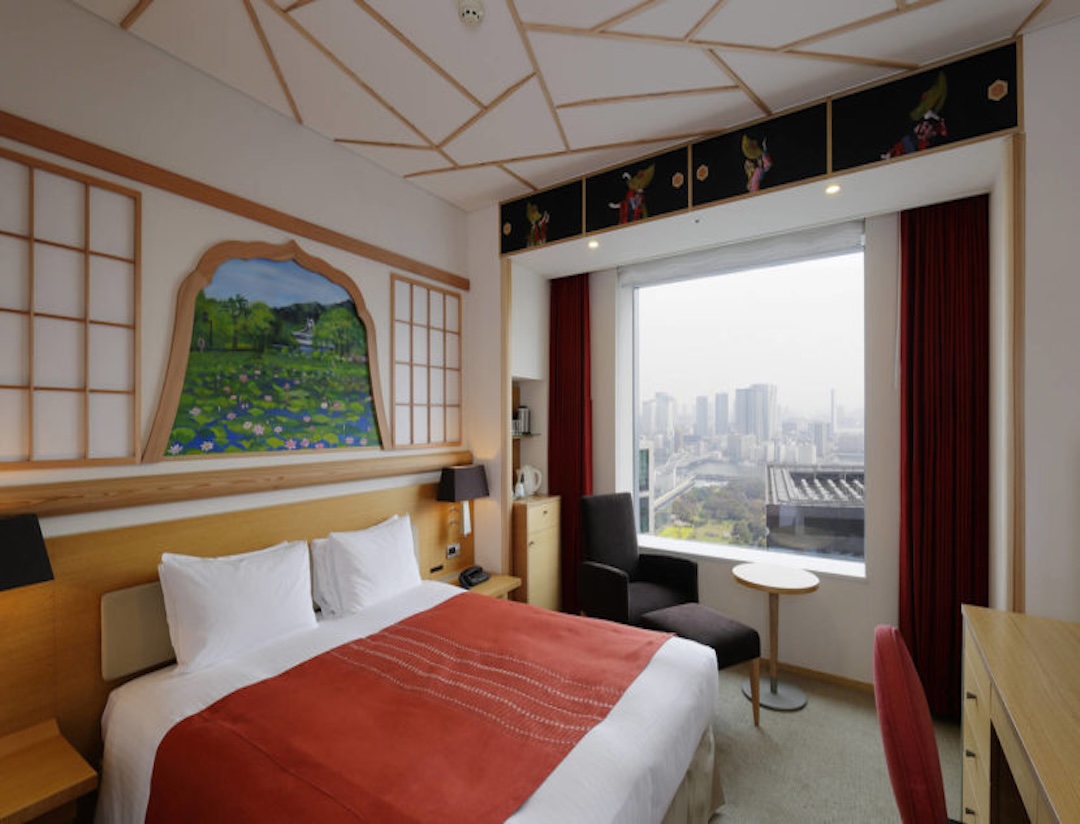
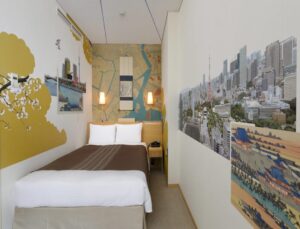
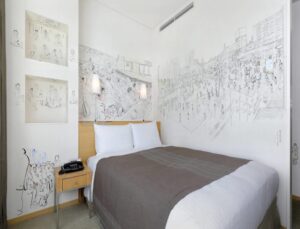
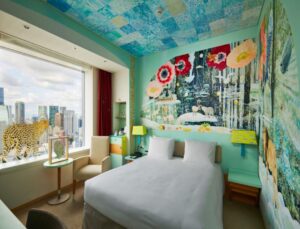
  • Edo-Tokyo: Room 3111, In Artist Room Edo-Tokyo, please enjoy taking a leisurely time trip across one and a half centuries, while looking at the overlapping landscapes of Edo and Tokyo.
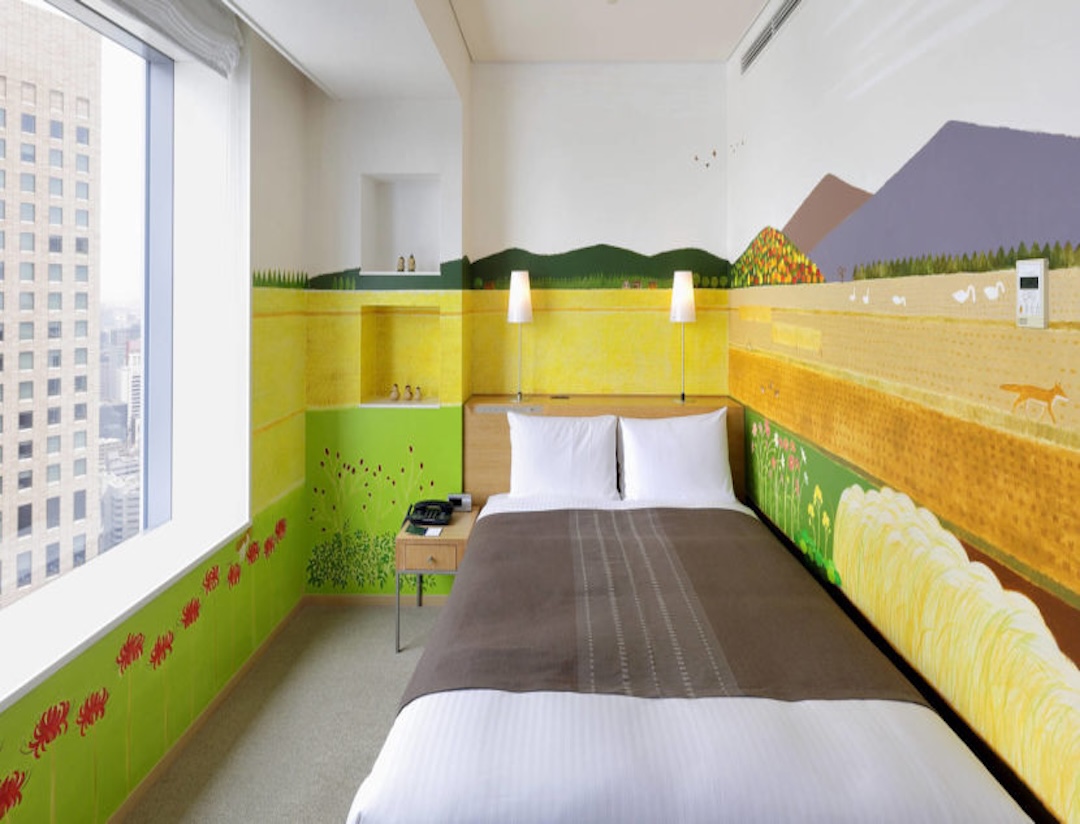
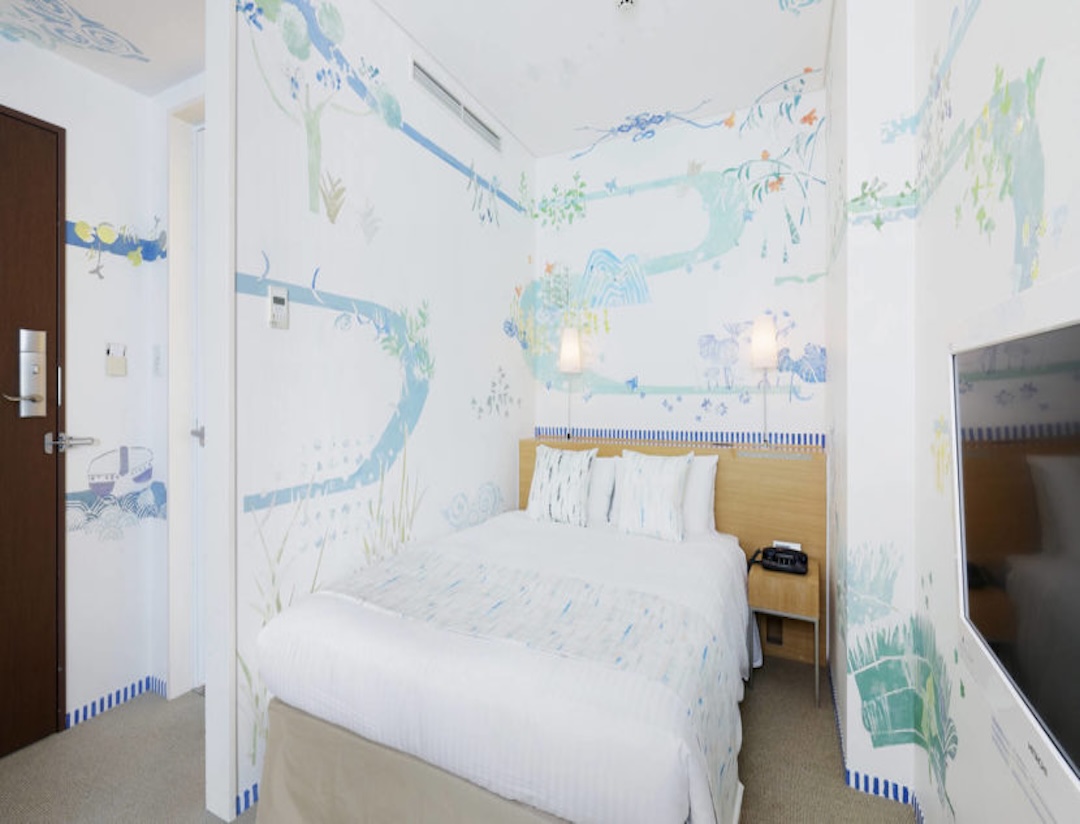
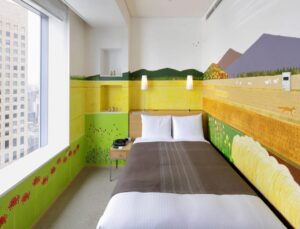
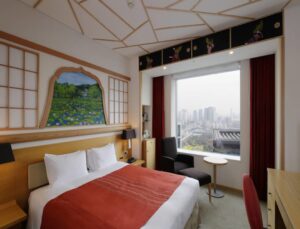
  • Satoyama Landscapes: Room 3114, In a room in the Shimbashi area, looking out onto a cluster of buildings in the middle of the city, the scenery of Japan’s Satoyama Landscapes is drawn, depicting people living in harmony with nature, the changing seasons unfolding like a picture scroll being unrolled.
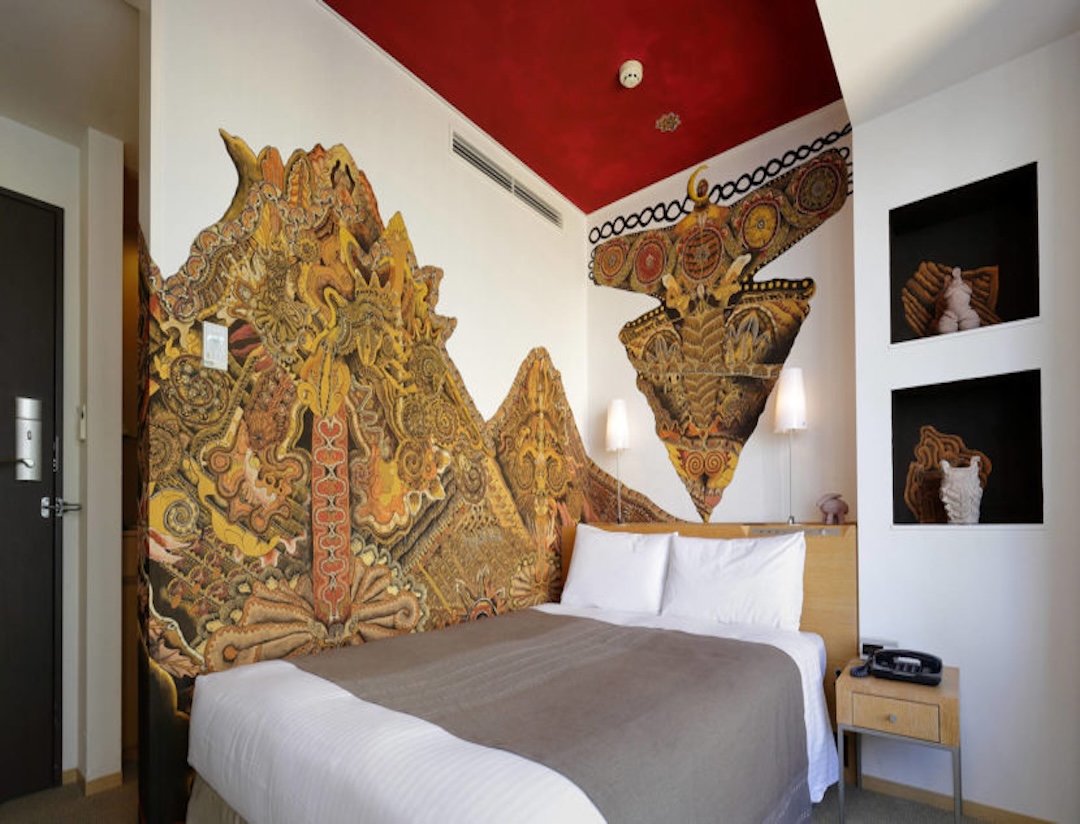
  • Jomon: Room 3121, The subject of the work is the spirit of Japanese people, which had been cultivated since the prehistoric Jomon period, designed to enjoy the beauty of the seasons and nature.
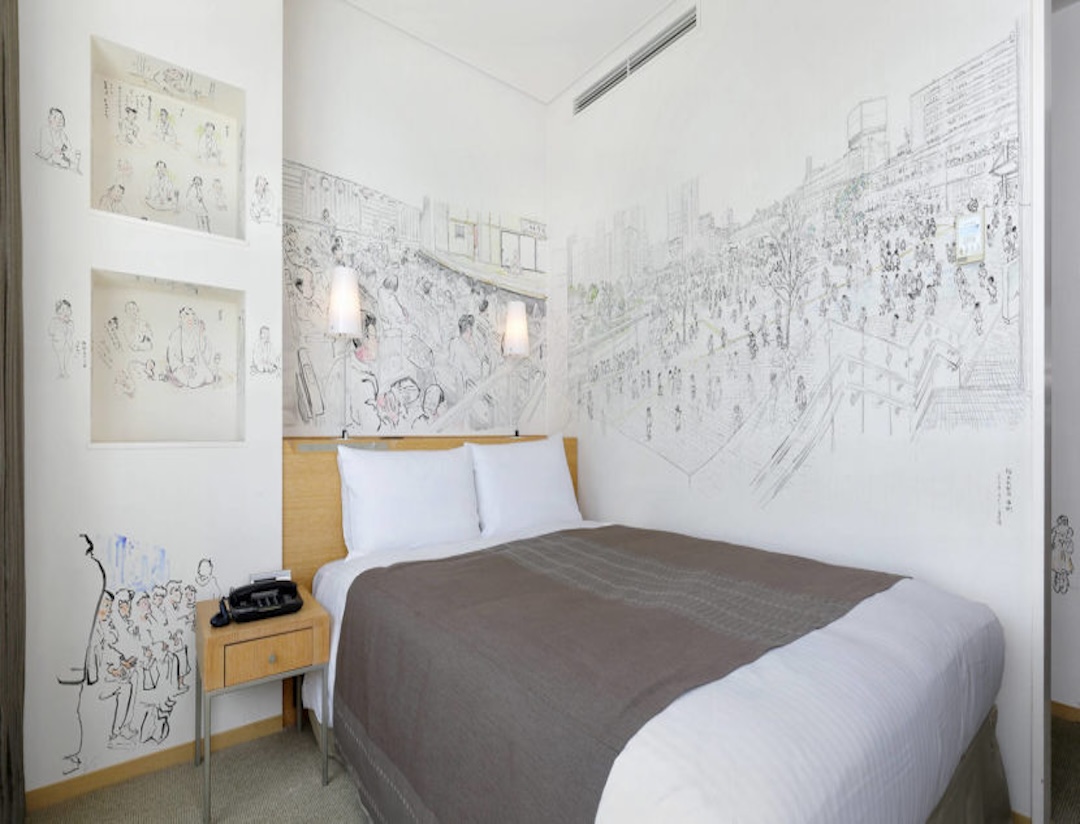
  • Japanese People: Room 3124, The 26th Artist Room on the theme of “The Daily Life of the Japanese People”. The design balance of the furniture, and the way light filters in. These wall paintings portray the modern lives of Japanese people, without fabrication. In this room, we hope you can enjoy the beauty of Japan, in the form of the everyday – perhaps the most radical form of such beauty.
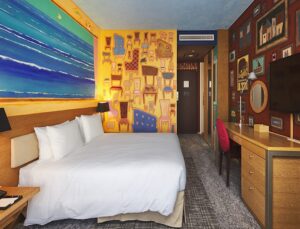
  • The 47 Vegetables: Room 3132, Taking inspiration from the forms of Nabeshima ware, which is globally famous for its rarity and degree of quality, the walls were then decorated with the motif of forty-seven plants from Japan. The resulting design is transparent and refined.
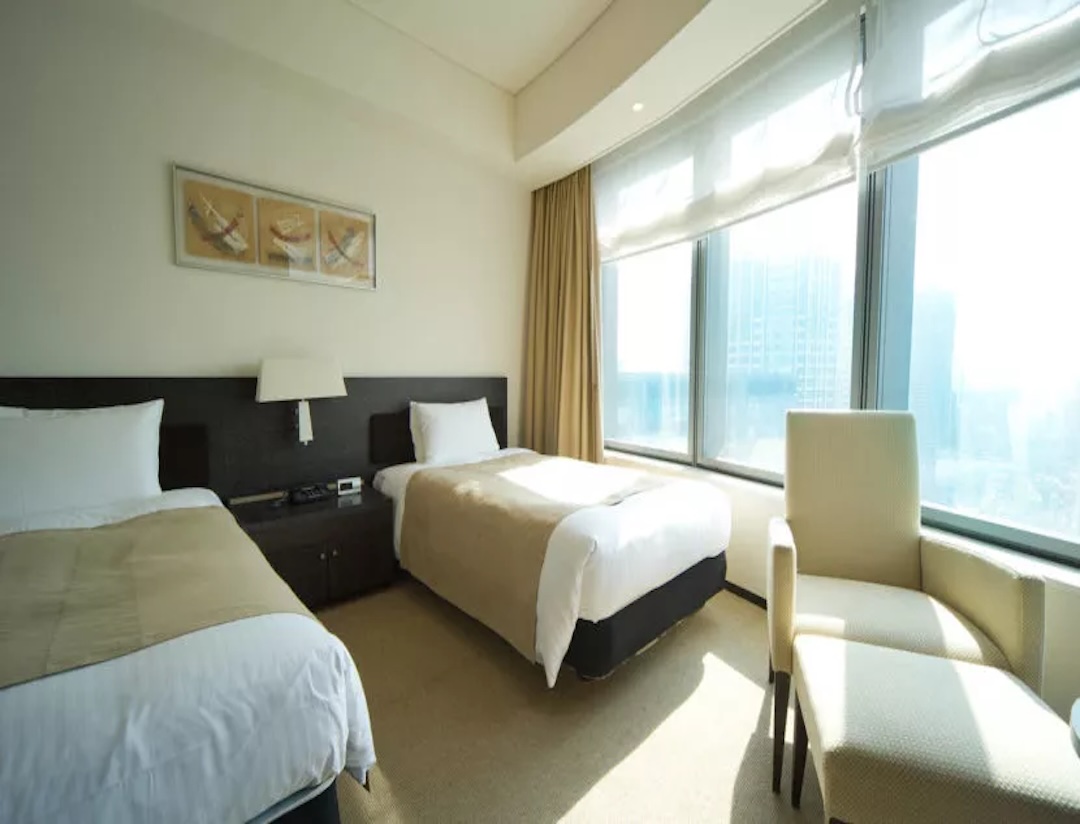
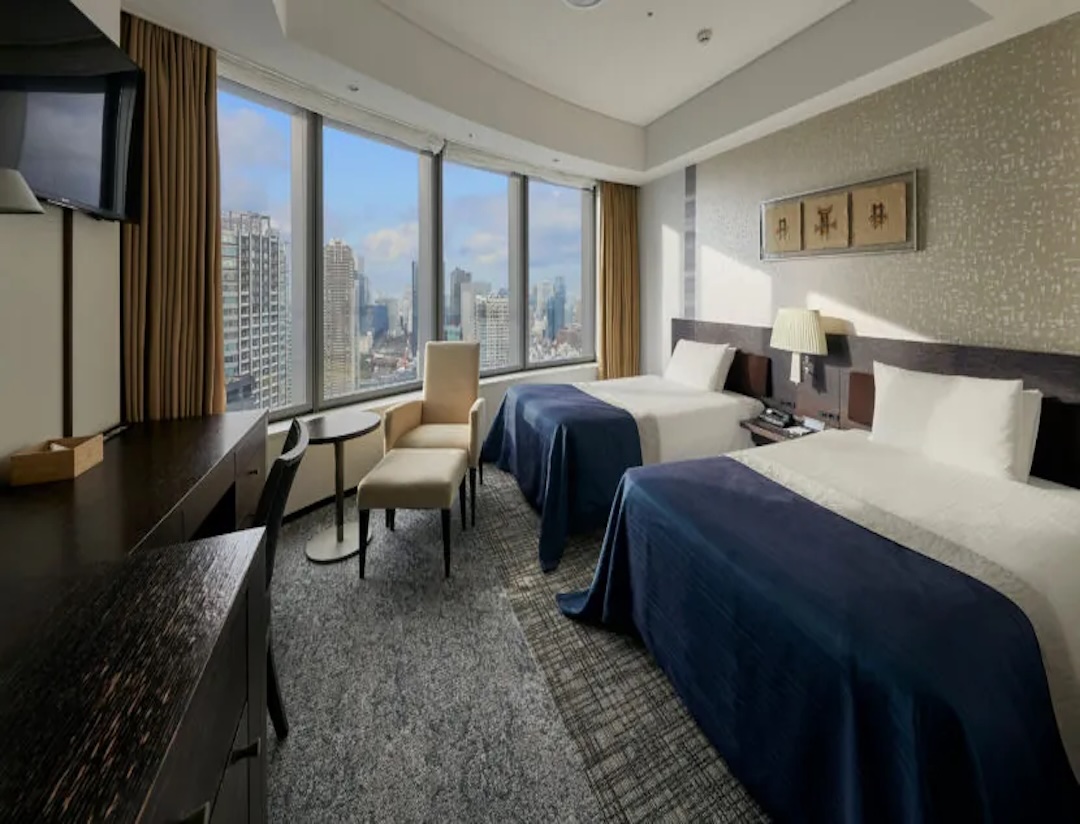
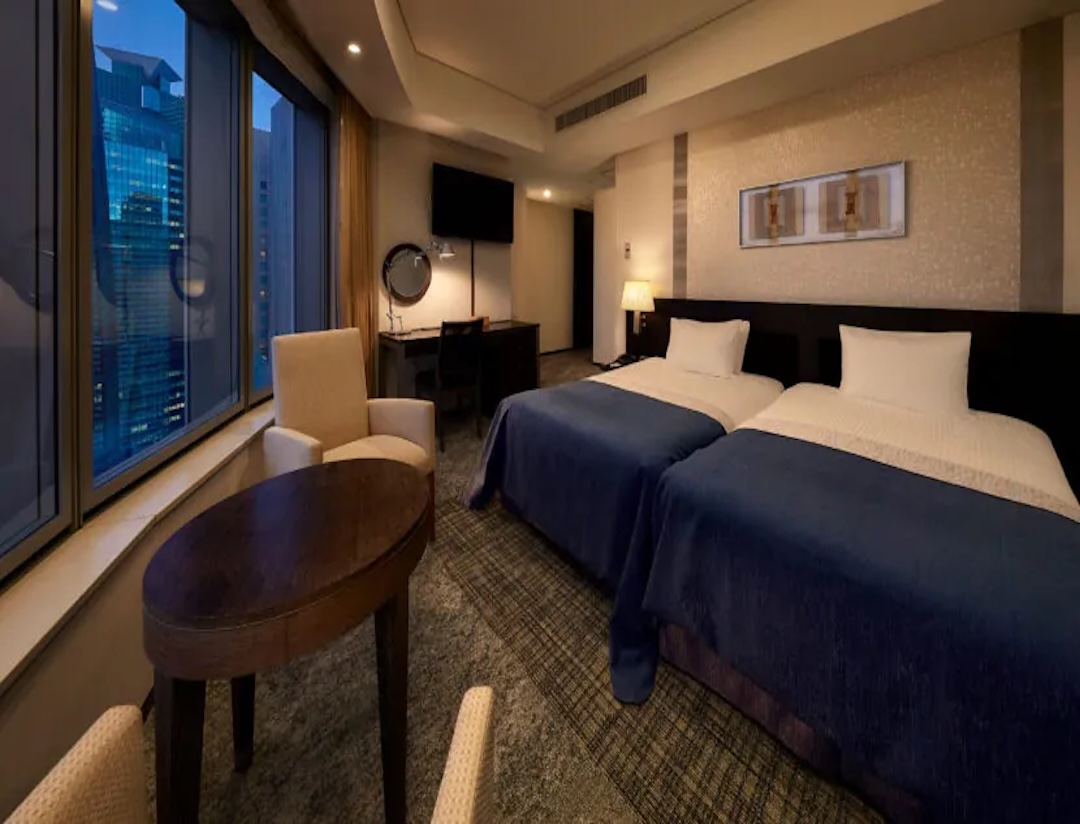
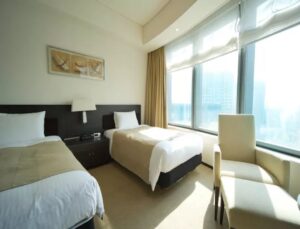
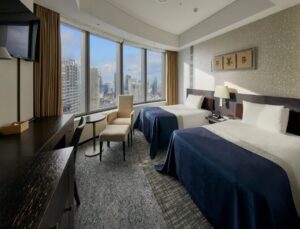
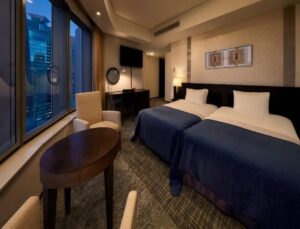
  • Twin: 22 sqm, Twin sized bed, City view. 

Queen: 22 sqm, Queen sized bed, City view.

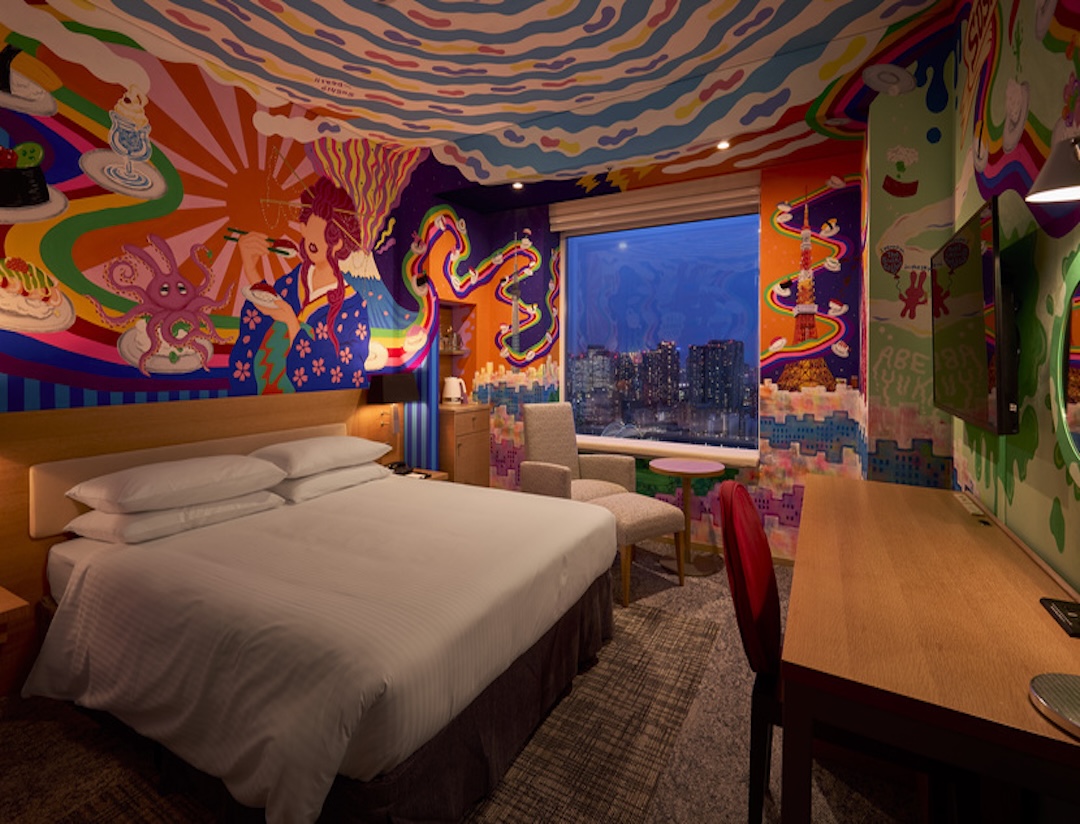
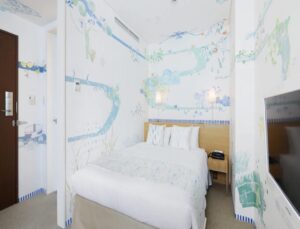
  • Sushi Wonderland: Room 3429, The theme of this room is “Conveyor Belt Sushi”. ” Across a rainbow that circles the entire space, pieces of sushi race and dance joyfully around the room.
  • Tokaido: The 51th artist room was created by artist Namonaki Sanemasa. The Tokaido is one of the most well-known historic roads in Japan, connecting Edo (now Tokyo) and Kyoto.
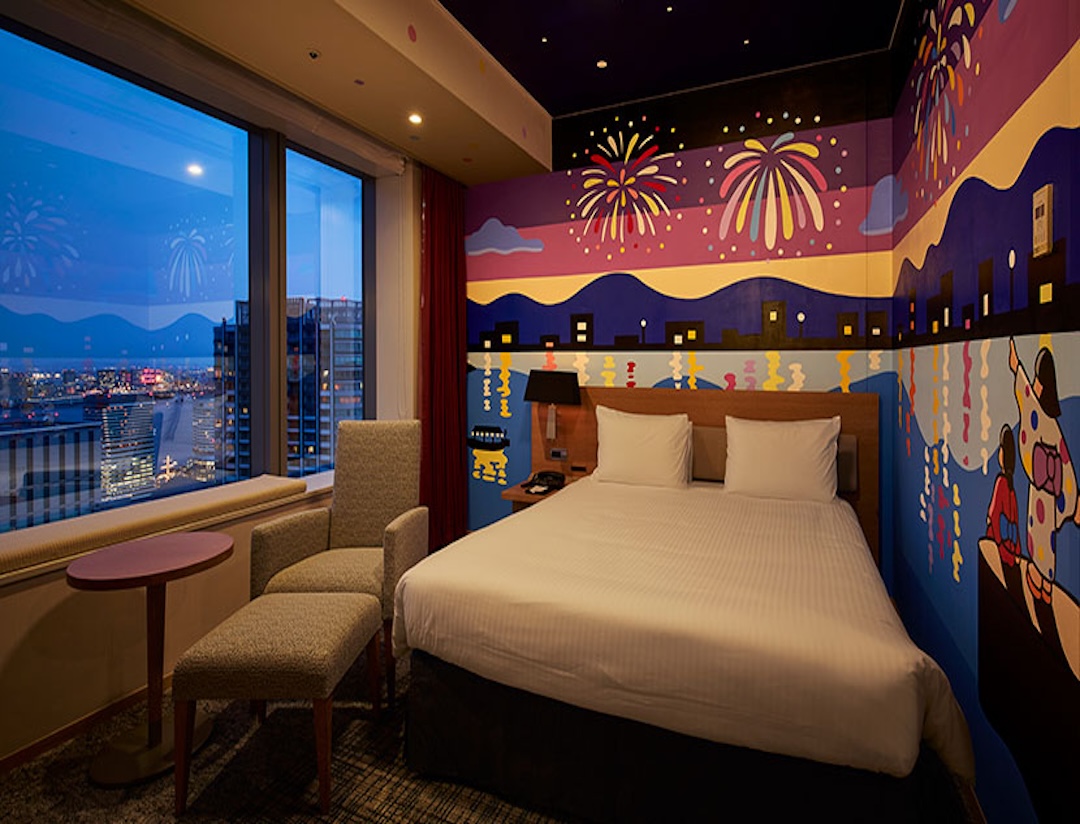
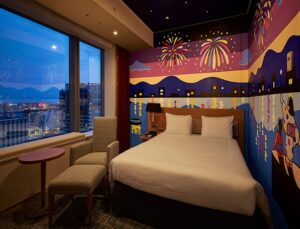
  • Fireworks: The 48th artist room was created by artist Ayairo. From this room, you can enjoy a front-row view of the summer fireworks festival. For many Japanese people, fireworks are a special summer event that offers a taste of the extraordinary.
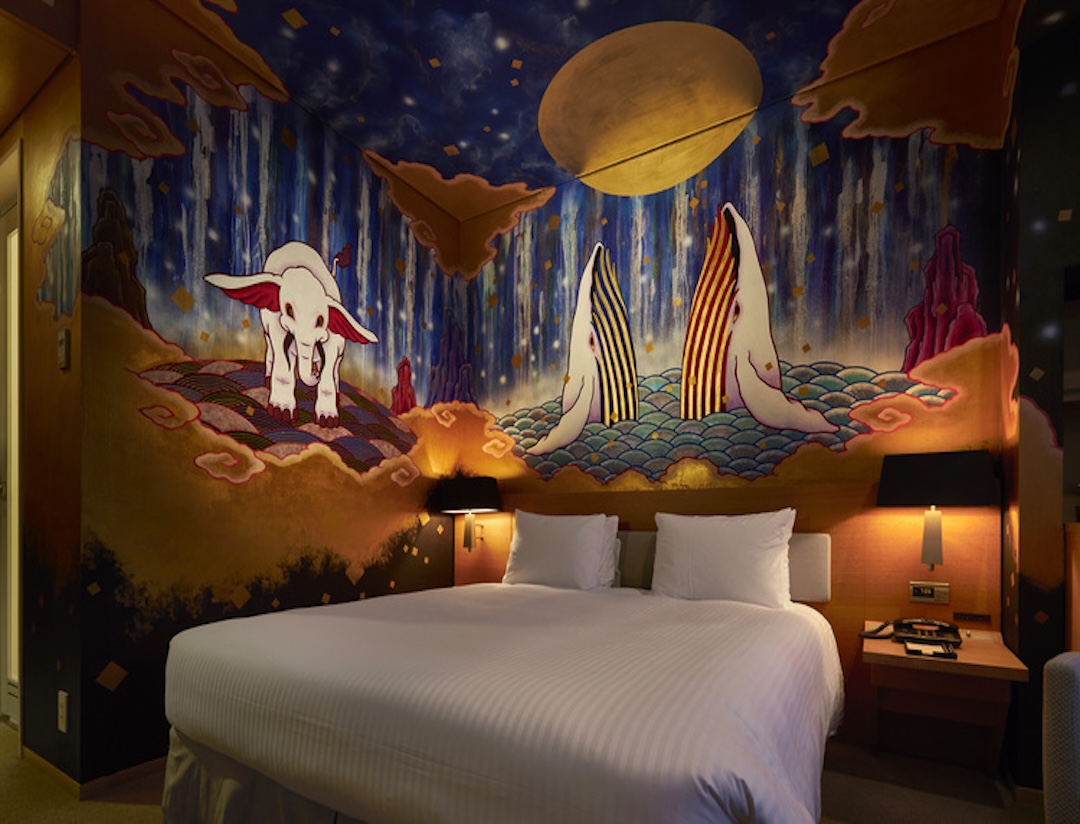
  • Ametsuchi: The 47th artist room was created by artist Ryoko Kaneta. The name of this room, “Ametsuchi,” means “Heaven and Earth.” By layering the landscapes of the world we live in onto a space close to the sky-the hotel’s top floor-I have created a space where sky and earth converge.
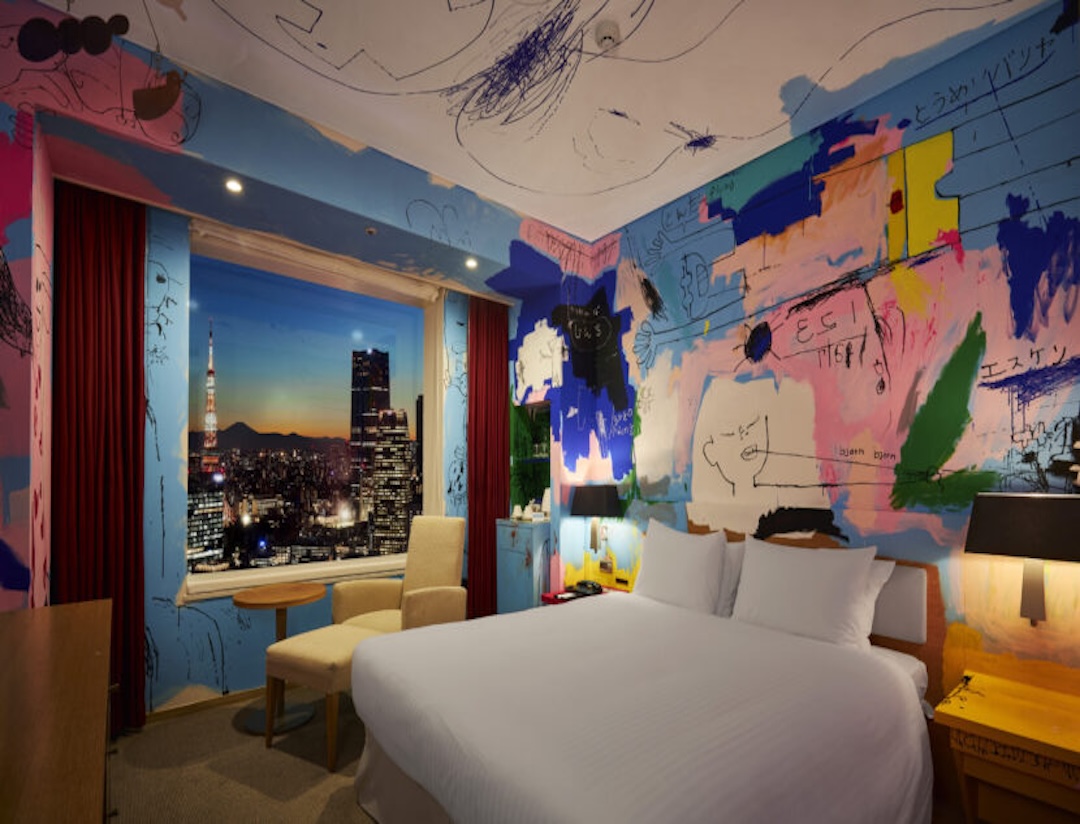
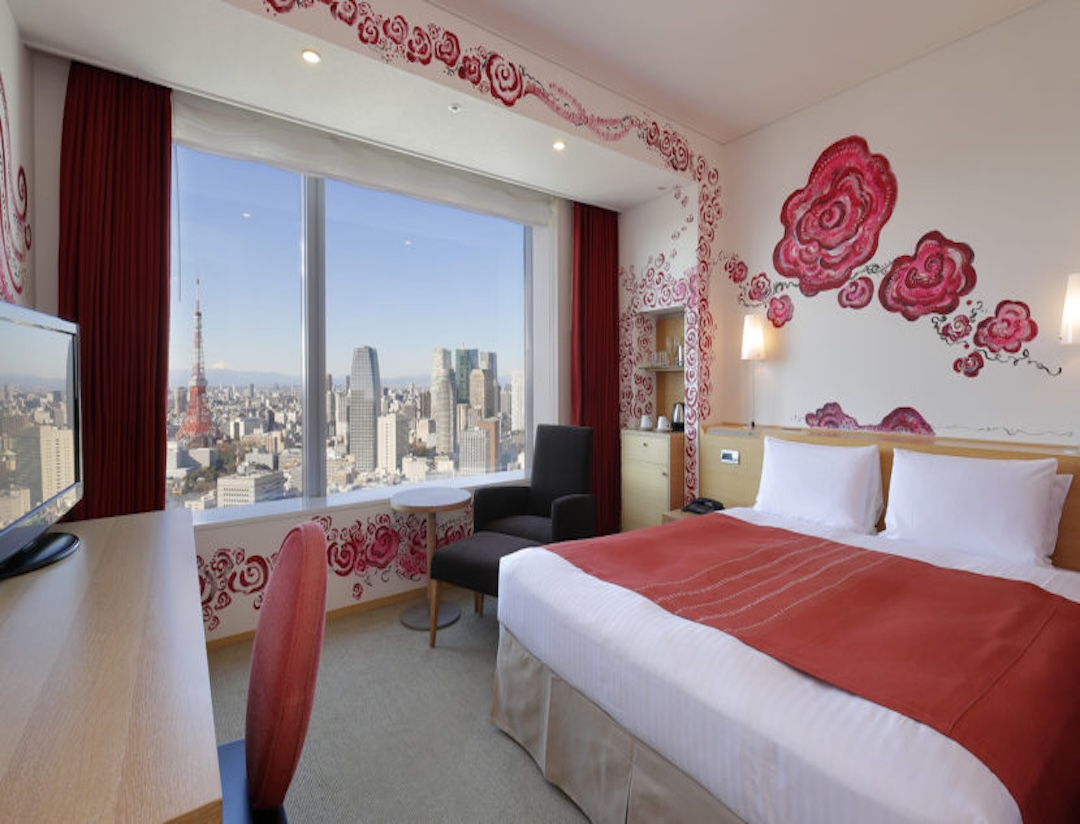
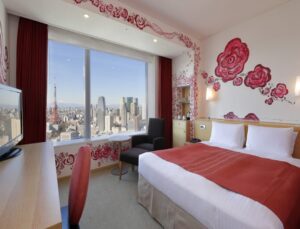
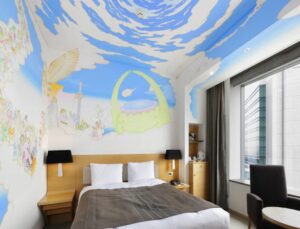
  • Sky Park: The 46th artist room was created by artist Kyaraai. Our daily lives can become monotonous when overwhelmed by busyness. In search of the extraordinary and to encounter unfamiliar emotions, we travel. From the window of this room, you can see Tokyo Tower, a skyline of buildings, and even Mount Fuji in the distance.
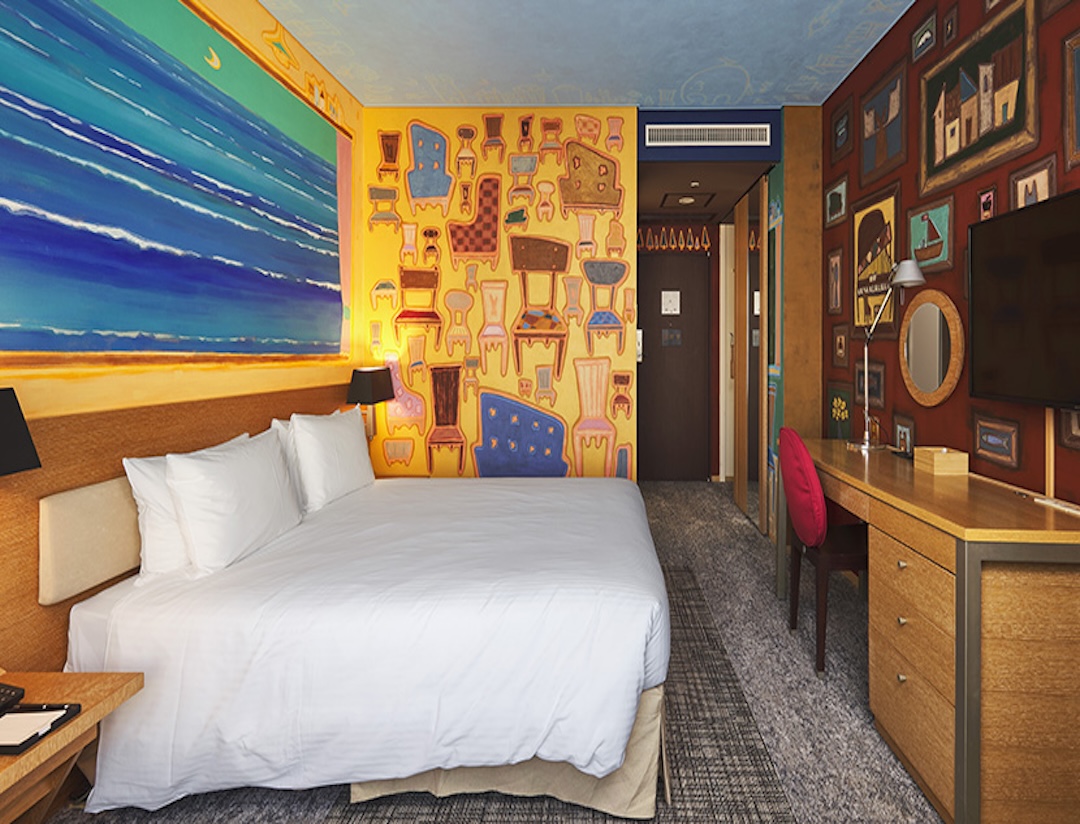
  • Window and Chair: The 45th artist room was created by artist Kei Sugiyama. Upon entering the room, I was immediately struck by the large windows. Windows serve as a bridge between the interior and the outside world, reflecting external landscapes.
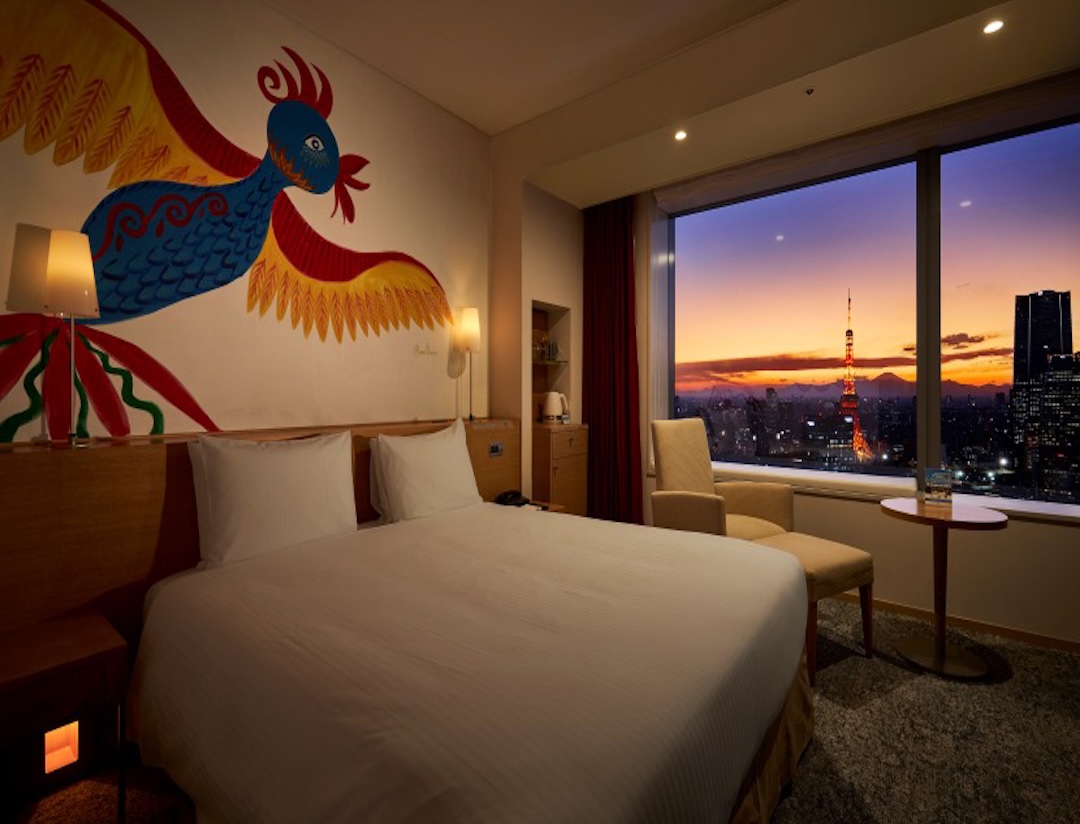
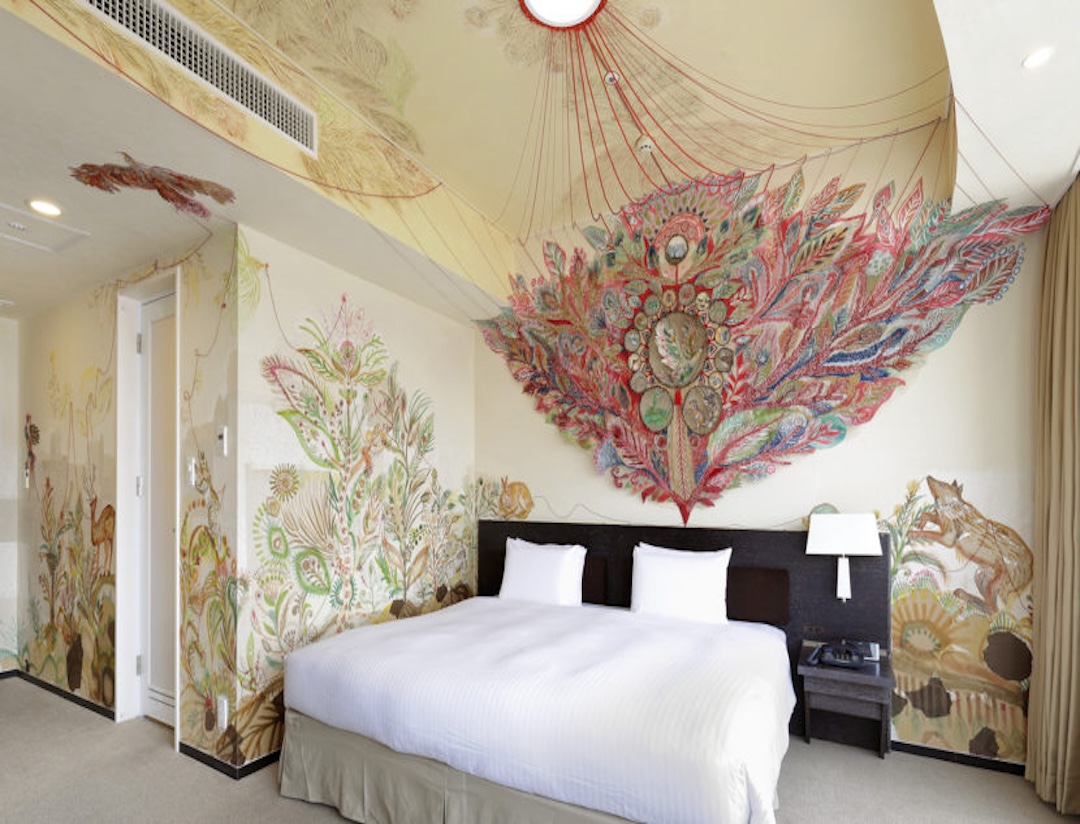
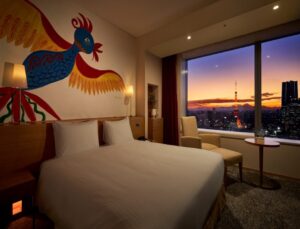
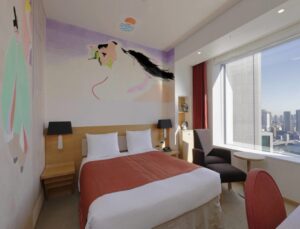
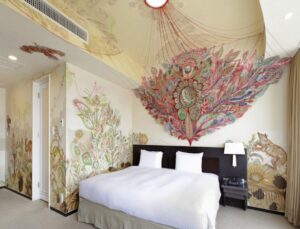
  • Phoenix: The 44th artist room was created by artist Mana Osawa. Given that this work is rooted in Japanese culture and history.
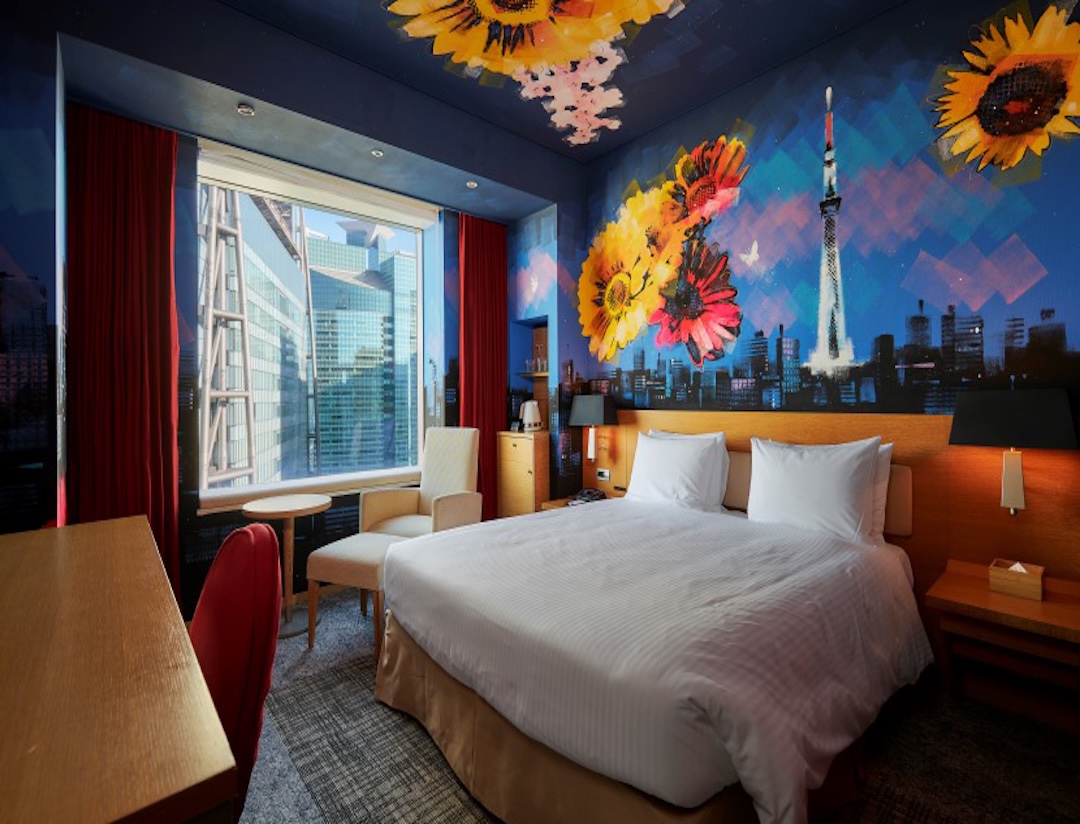
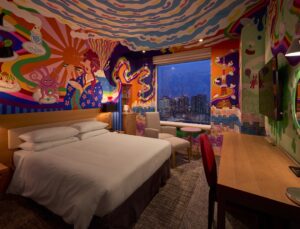
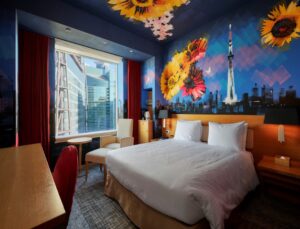
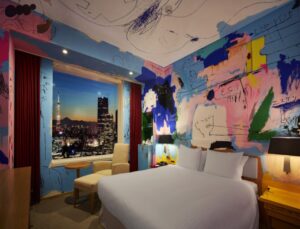
  • Midnight Tokyo: The 43rd artist room was created by artist Takeshi Sato. Inspired by the desire to offer not just relaxation but an invigorating taste of TOKYO, the design captures the contrast between the urban landscape in midnight blue and the vivid hues of seasonal flowers.
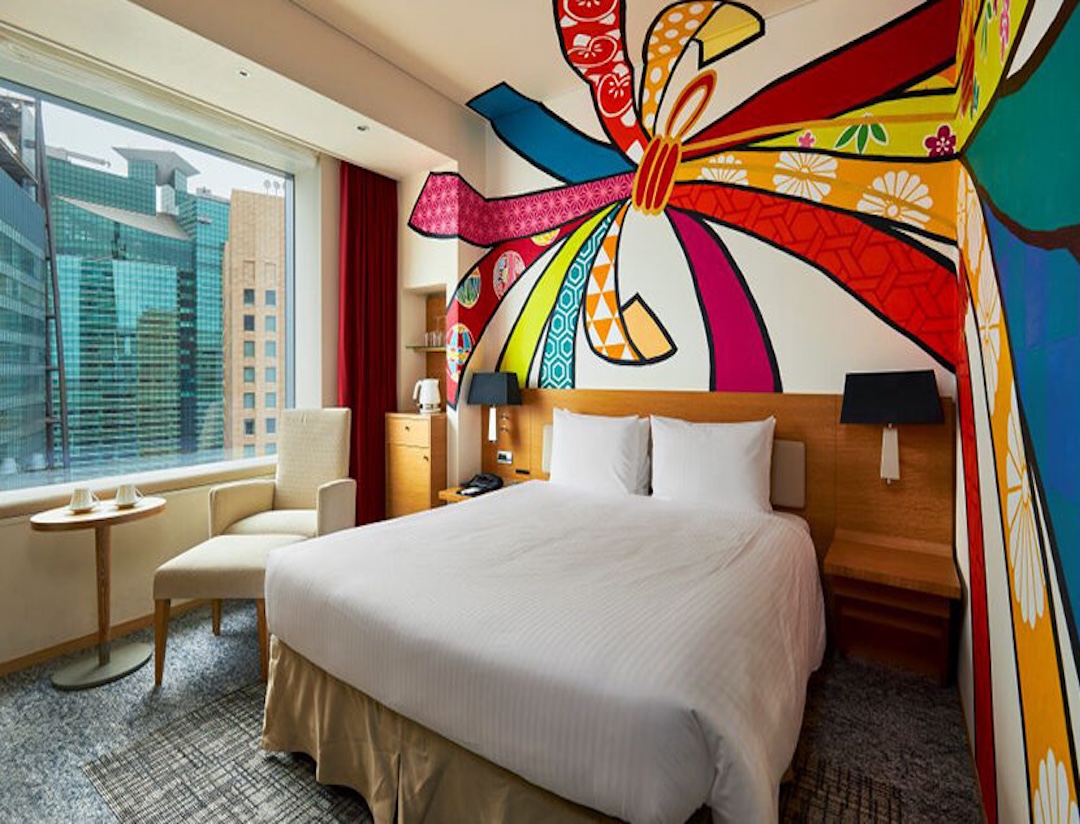
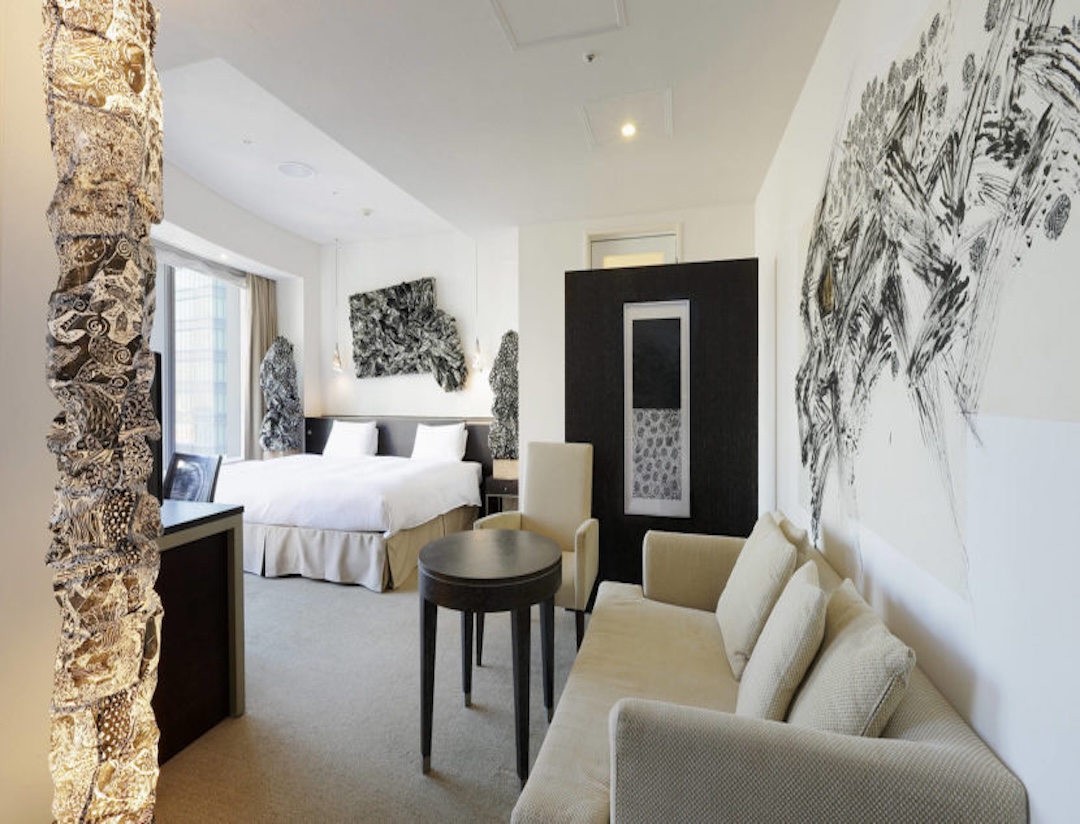
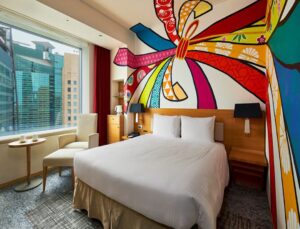
  • Japanese Pattern: The 42nd artist room was created by artist KOTO. Many traditional patterns are used in crafts, traditional performing arts, and are also found in everyday items such as interior decor. These patterns are often inspired by objects, phenomena, and the beauty of nature, including the four seasons, all of which are deeply rooted in Japanese life.
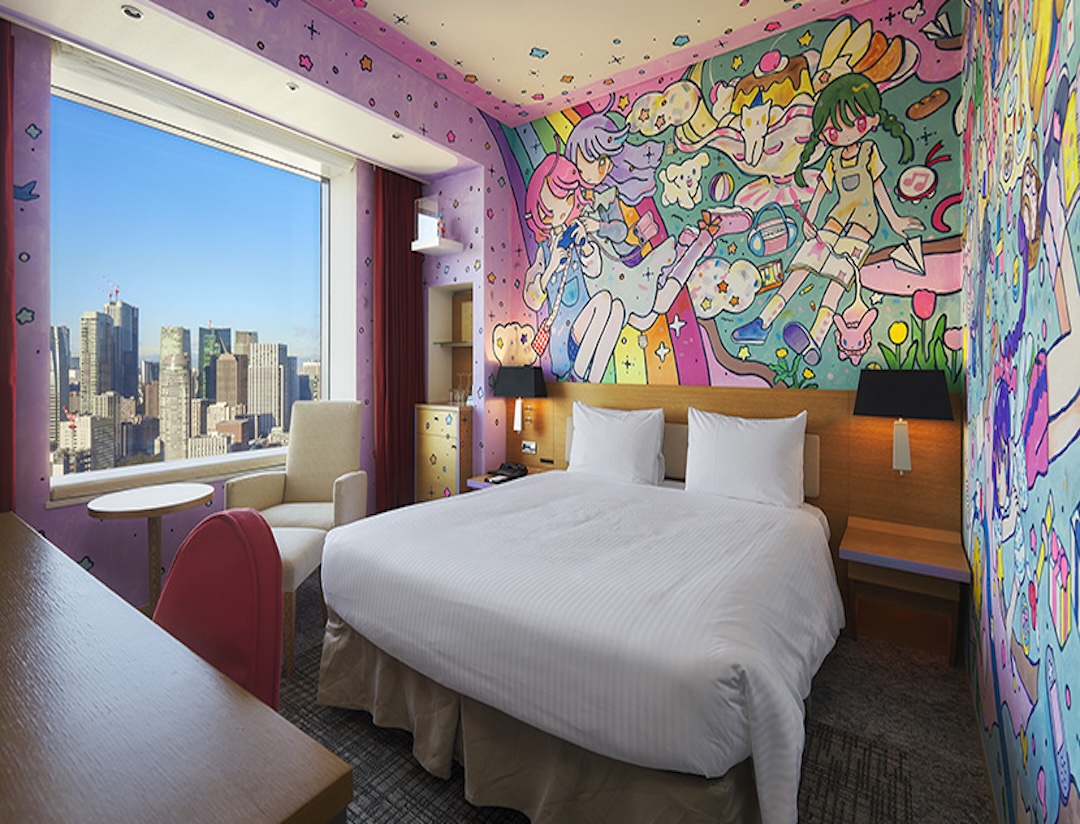
  • Kawaii: The 41st artist room was created by artist Yumi Hosaka. Perhaps this sense of “kawaii” is a uniquely Japanese sensation, and the softness with which we love them also represents Japan.
  • Treasure Box: The 39th artist room was created by artist Misa Ohashi.
    When he opens the box, the smoke flutters and he becomes a grandfather. Then he turns into a crane and set off on his journey.
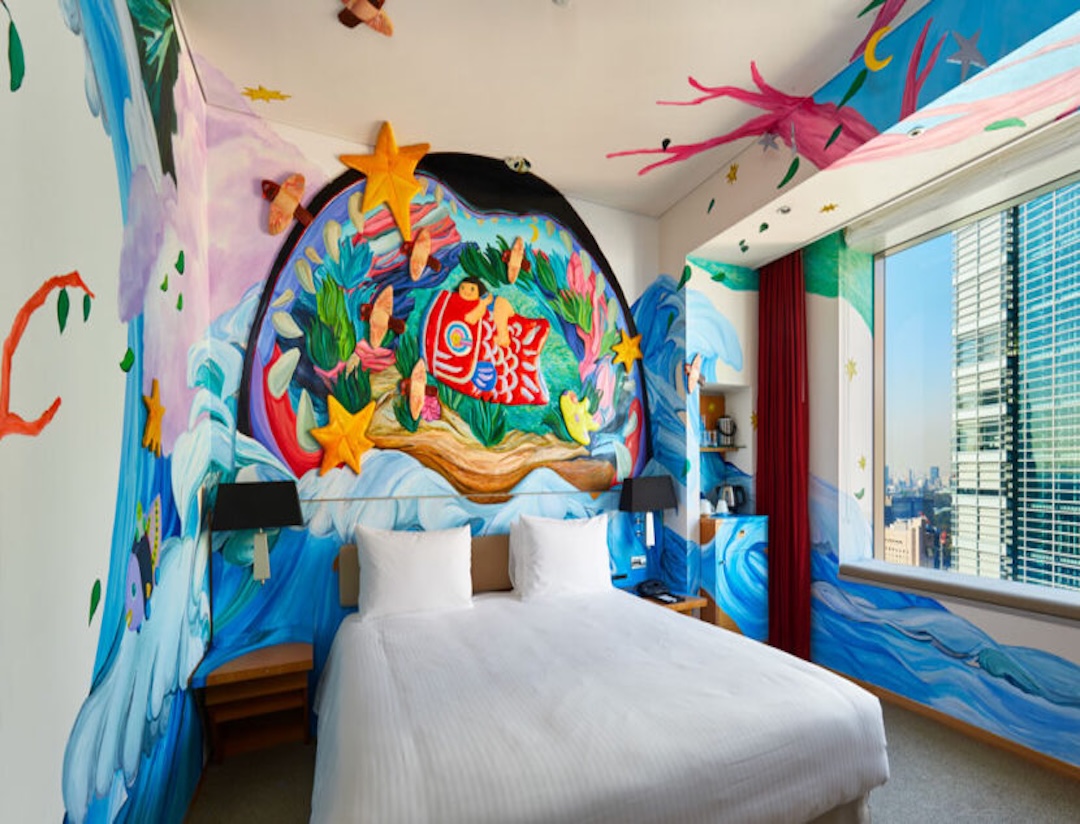
  • Adventures of Kintaro: The 38th artist room was created by artist Yume Aoyama. Folk toys such as Koi-kin (Kintaro holding a carp) and Kawara-zaru (monkey made of tiles), were created from the Edo period to the Meiji period, where toys were made in various regions using familiar materials such as paper and wood, with the hope that children would grow up well.
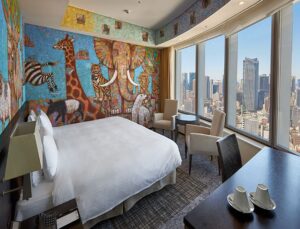
  • TOKYO borrowed scenery: The 37th artist room was created by artist Teppei Ikehila. Various motifs such as animals, plants, and humans fill the canvas with a mixture of vivid colors.
  • Childhood: The 36th artist room was created by artist Noriko Saito. In childhood, the blue sky seemed endless; the clouds were floating swiftly, the sun was as dry and crisp as a fried chicken, and the feeling of chasing what was in front of you.
  • Sunrise: The 35th artist room was created by artist Koki Tsujimoto. Using pop colors, I express contemporary and new Japanese paintings focusing on ancient lucky charms and unique new creatures of good luck.
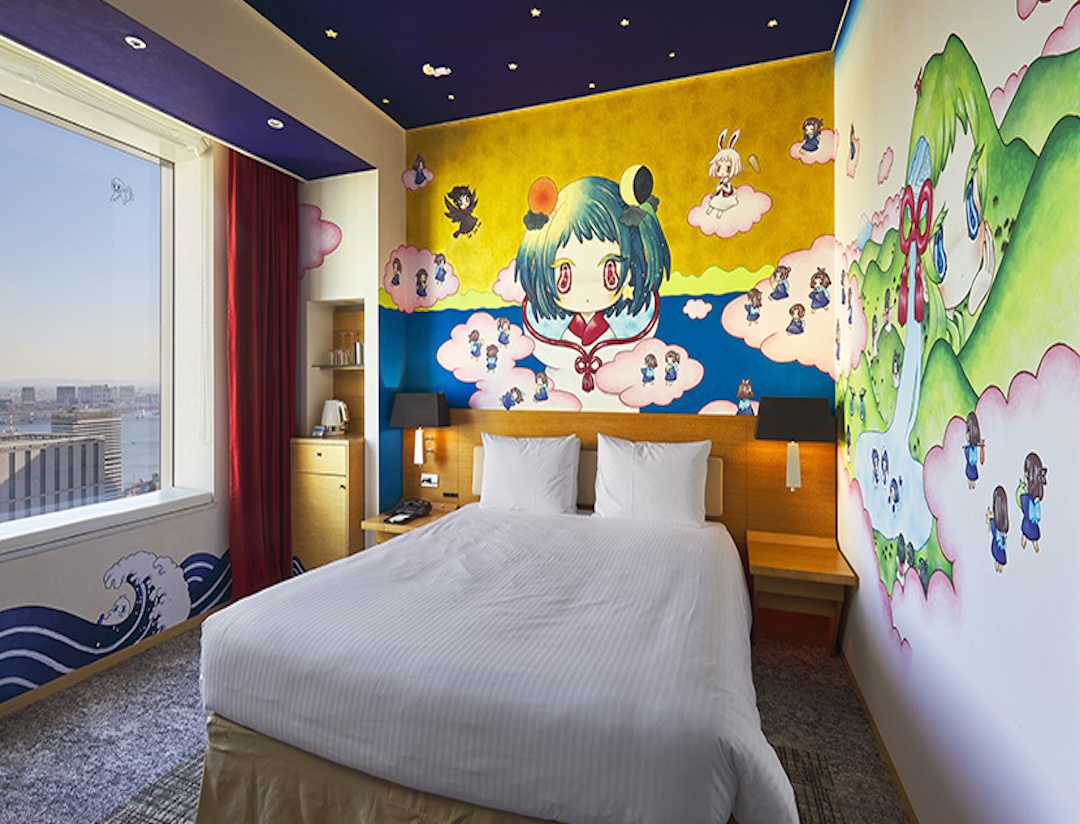
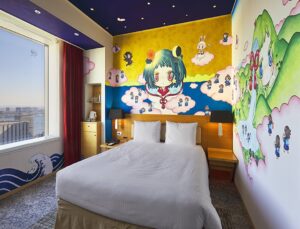
  • Hakutaku: The 34th artist room was created by artist Feebee. Feel the delicacy of the drawing and the tremendous presence of the character. Finding nine eyes of different sizes and colors will make your stay more memorable.
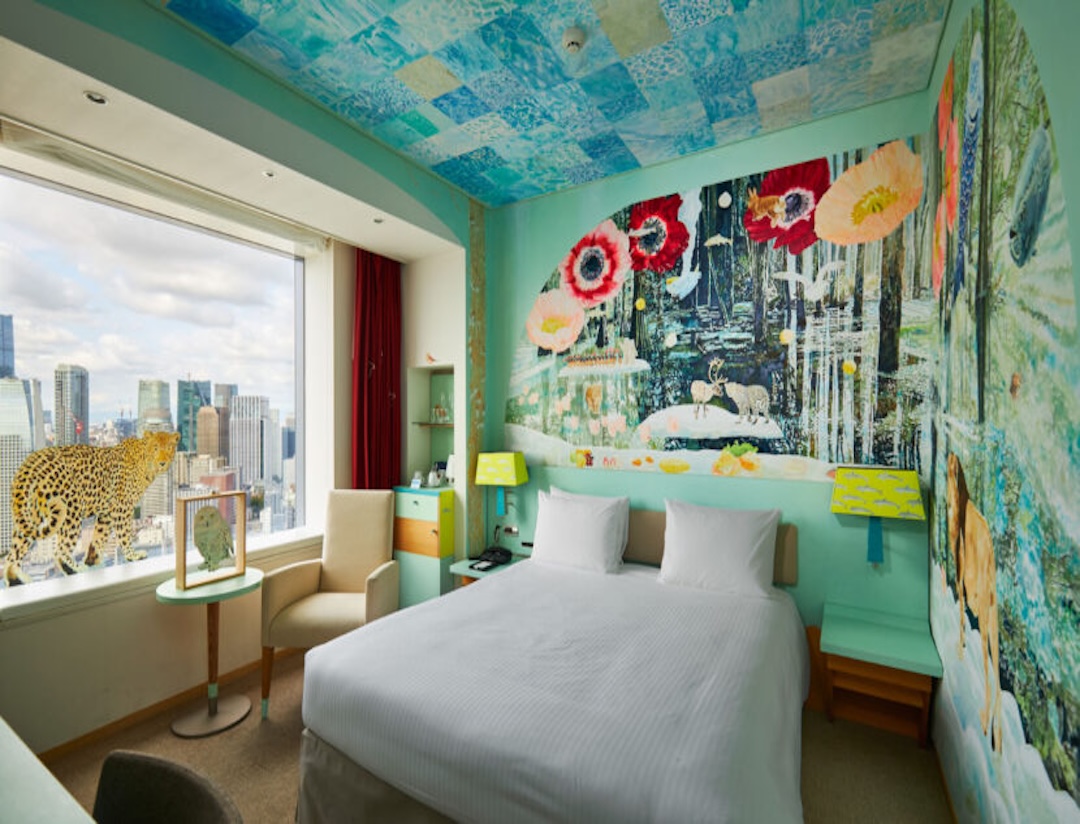
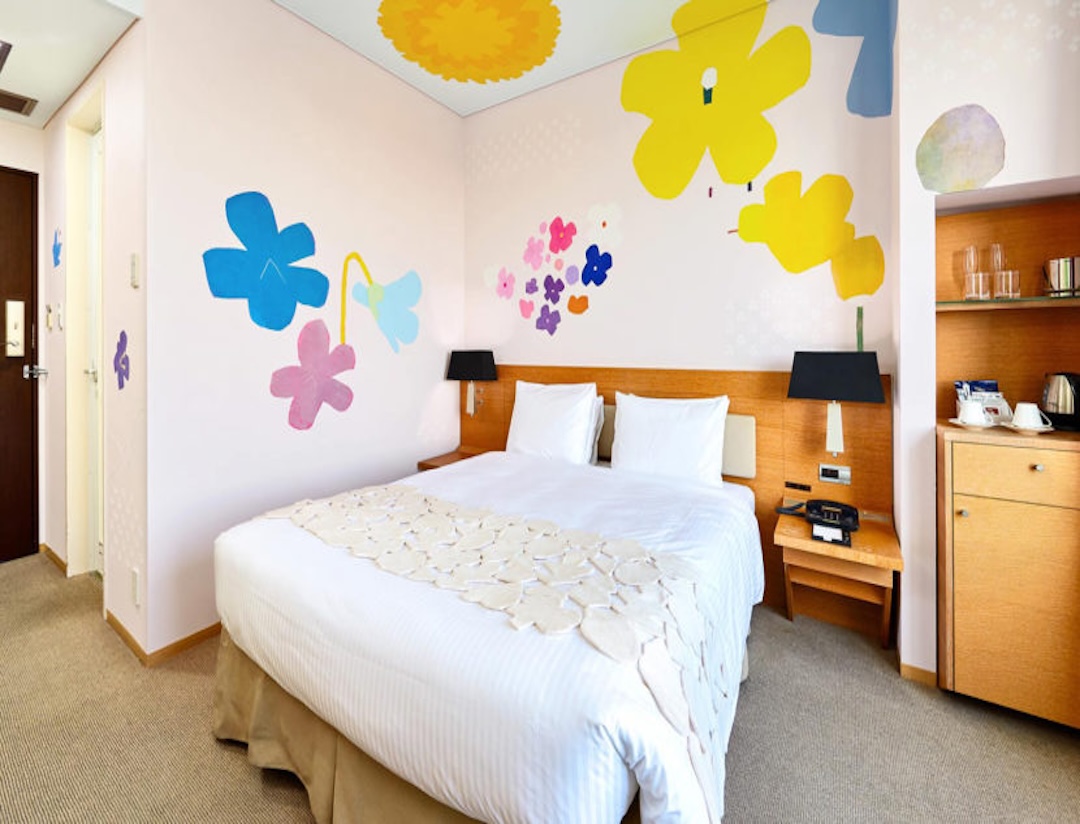
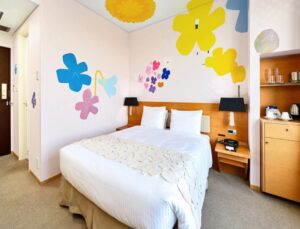
  • Flowers & Grasses: The 33rd artist room was created by artist Nobuko Numano. Enjoy a relaxing time while looking at the flowers and grasses colored with acrylic paints and the sea through the window.
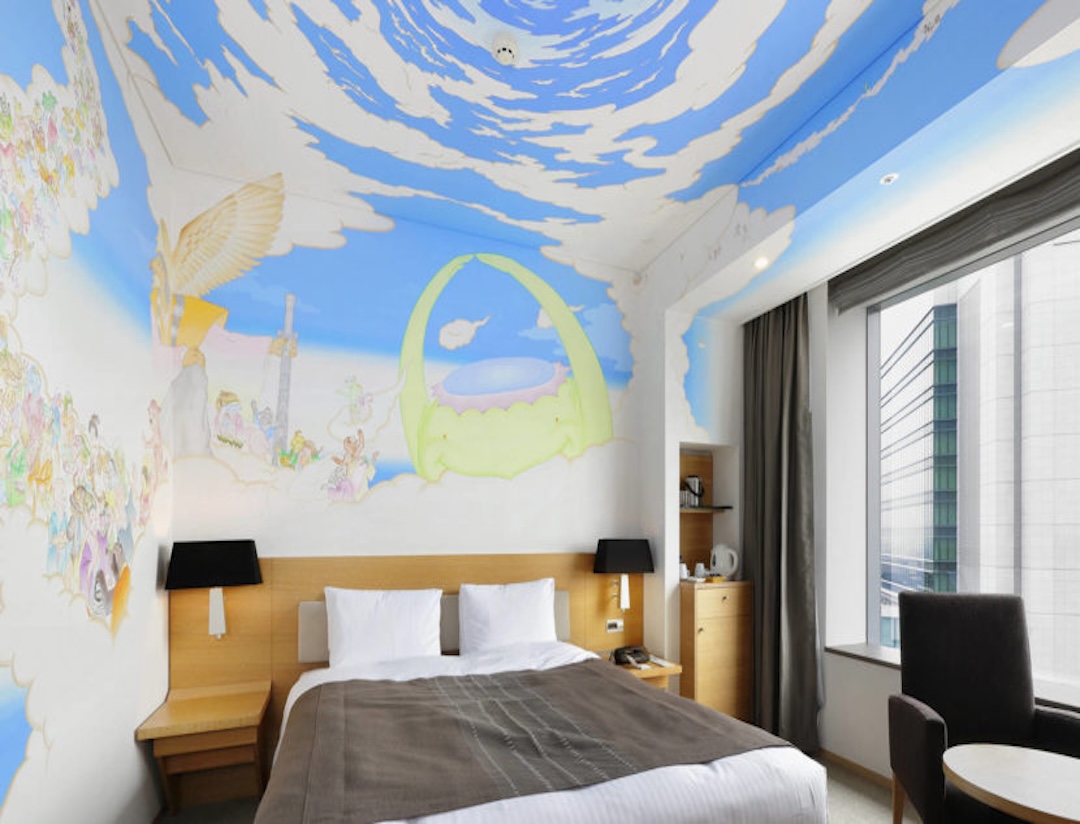
  • Japanese Angel: The 29th artist room “Japanese Angel” was started on production by Yuki Ninagawa. Park Hotel Tokyo hopes that guests will enjoy the serene and feminine work in Artist Room Japanese Angel.
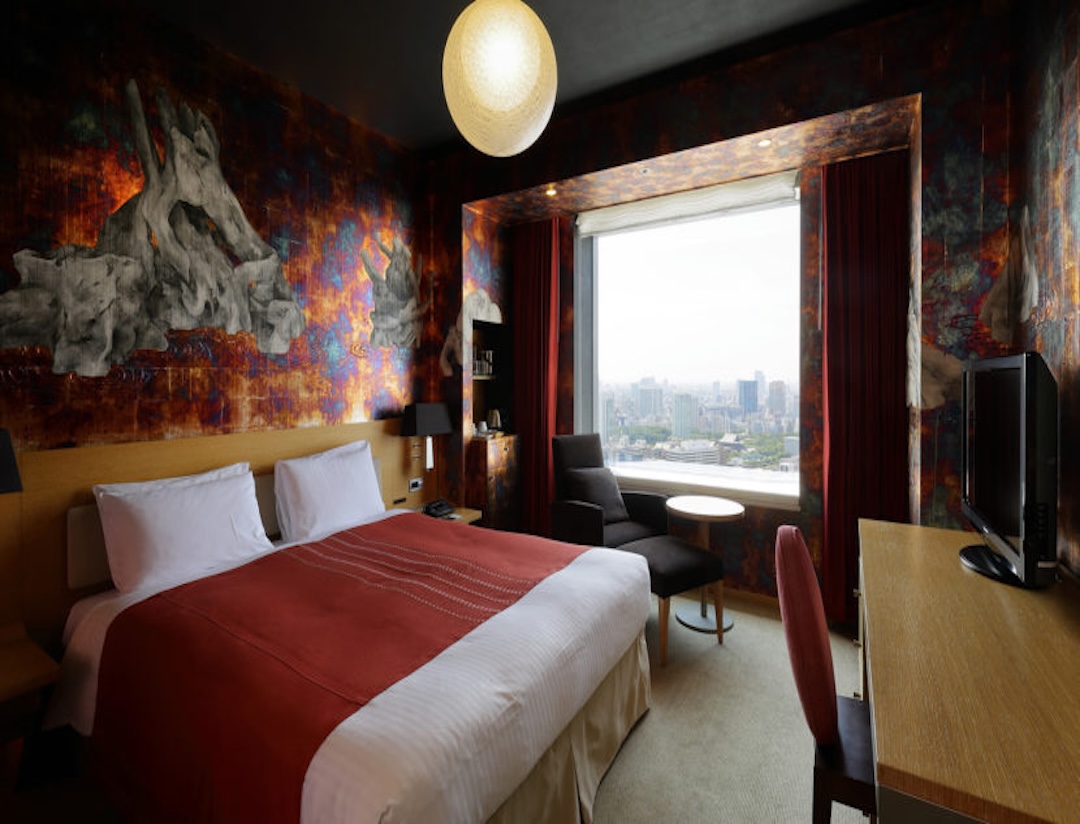
  • Wabi-Sabi: The 22nd artist room on the theme of “Wabi-Sabi”, which was started on production by artist Conami Hara. Hara painted the walls with her recently-favored driftwood motif to resemble the garden stones at Ryoanji, one of the popular rock garden in Kyoto.
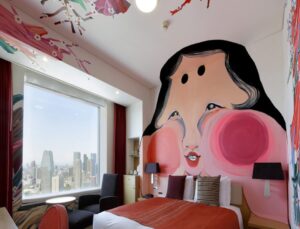
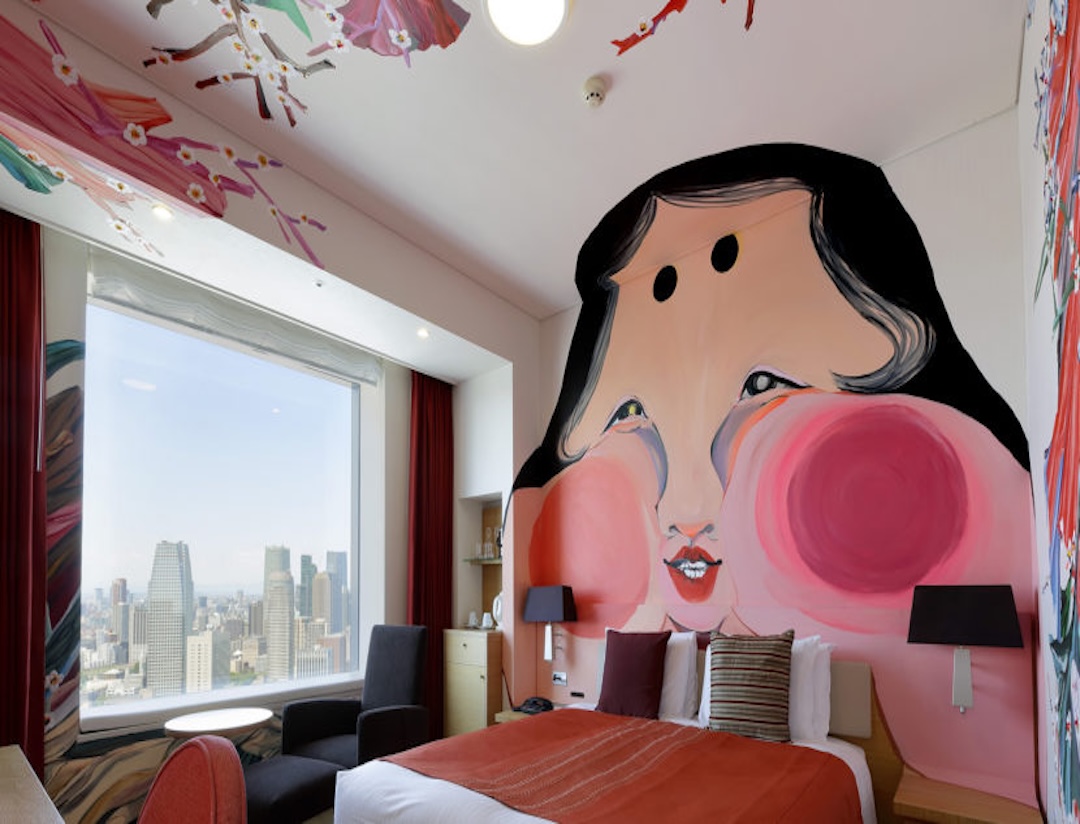
  • Otafuku Face: The artist Aki Kondo started on pruduction of “Otafuku Face (=moonfaced woman) ”. By painting the face of this humble, demure woman which was a good example to ancient Japanese, she expressed the beauty of the heart of the Japanese people.
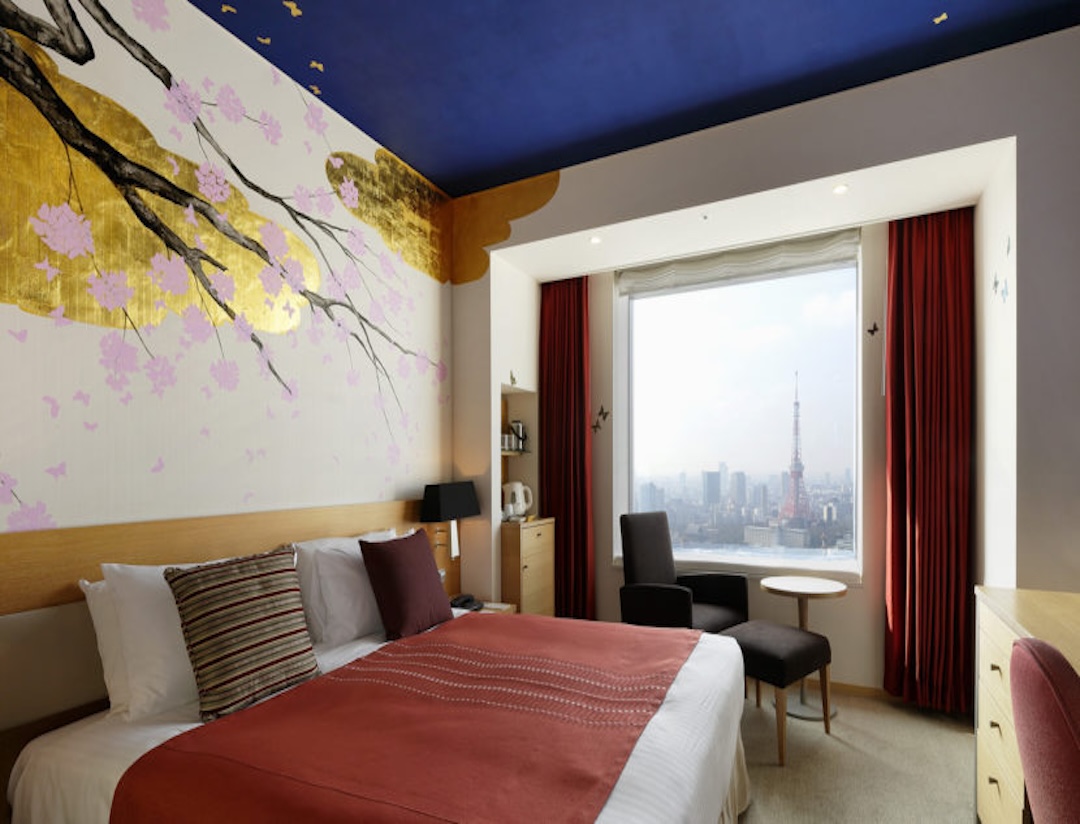
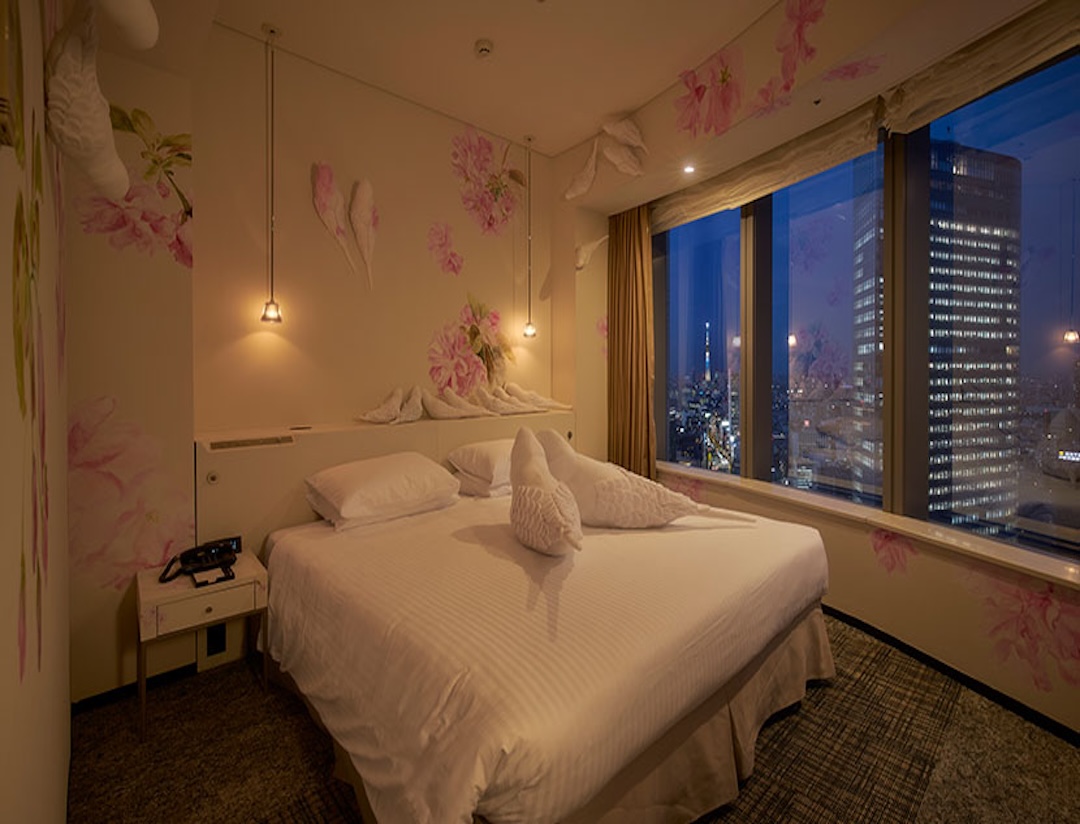
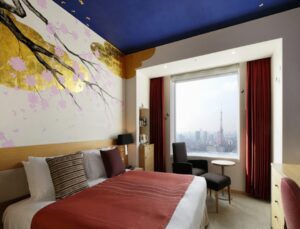
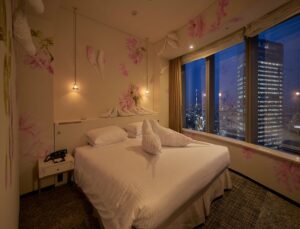
  • Cherry Blossoms: The 13th artist room “Cherry blossoms” was the motif chosen by the Japanese artist Hiroko Otake. As soon as you enter the room, you see a big cherry tree covering the bed. By drawing cherry blossoms like butterflies which are a symbol of transiency or the soul, I expressed the beauty of the end of life.
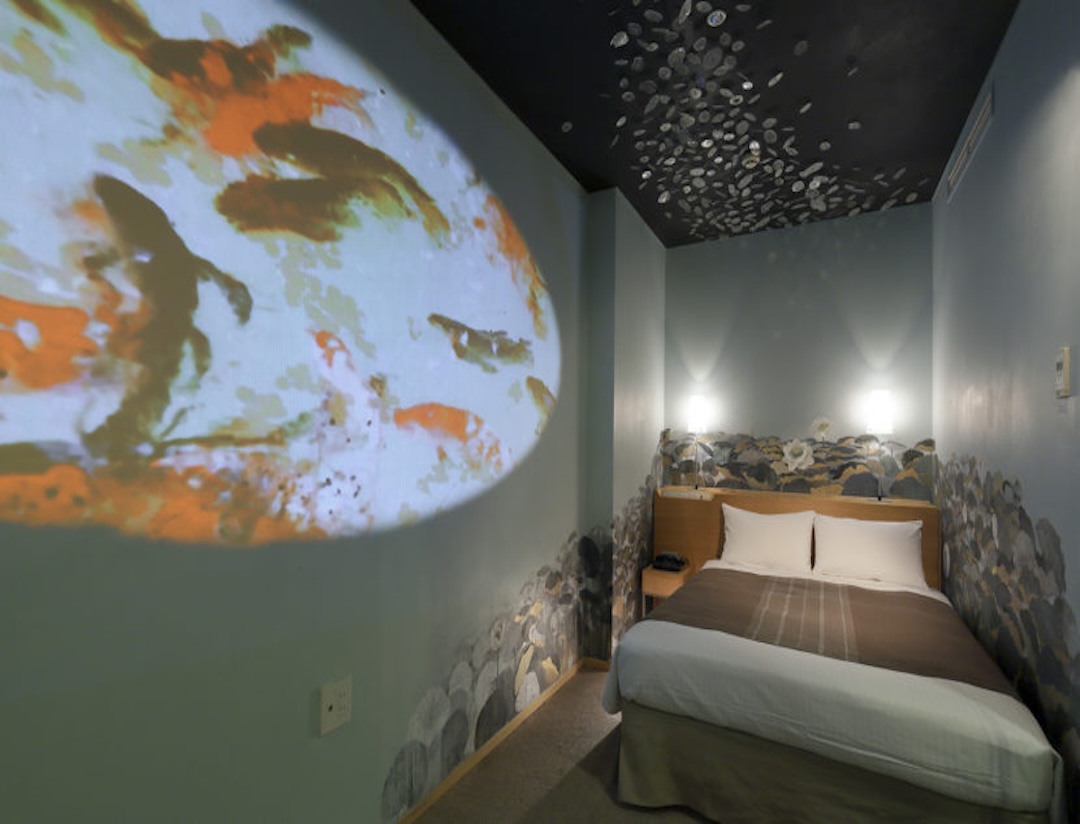
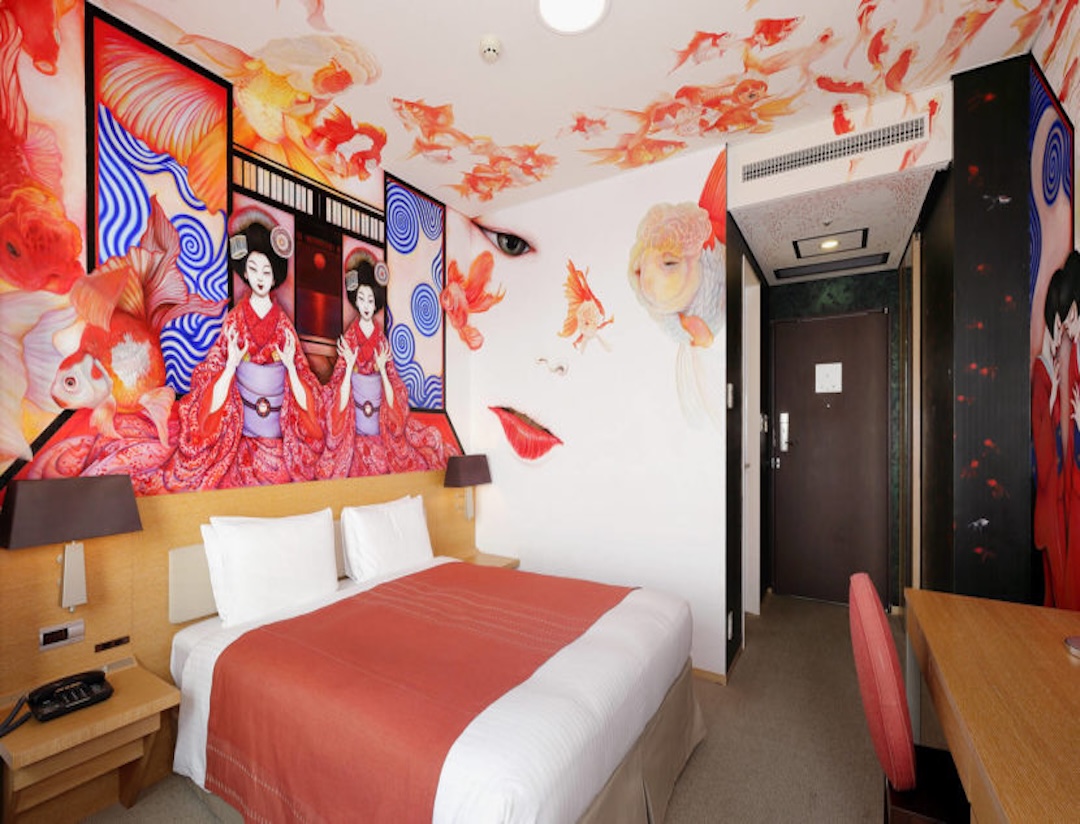
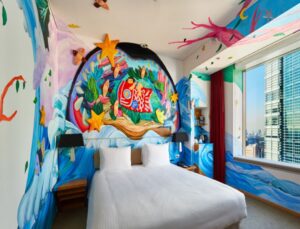
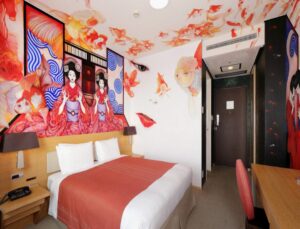
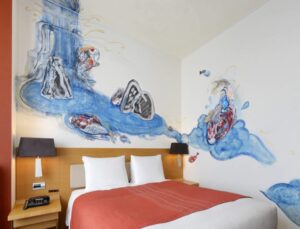
  • Geisha Goldfish: The 9th room, “Geisha Goldfish”, was started by the Japanese artist Aki Narita. The dream you will have here is like a suggestion of a parallel world, or a premonition. I hope you dream a beautiful dream of “geisha goldfish” in this Artist room.
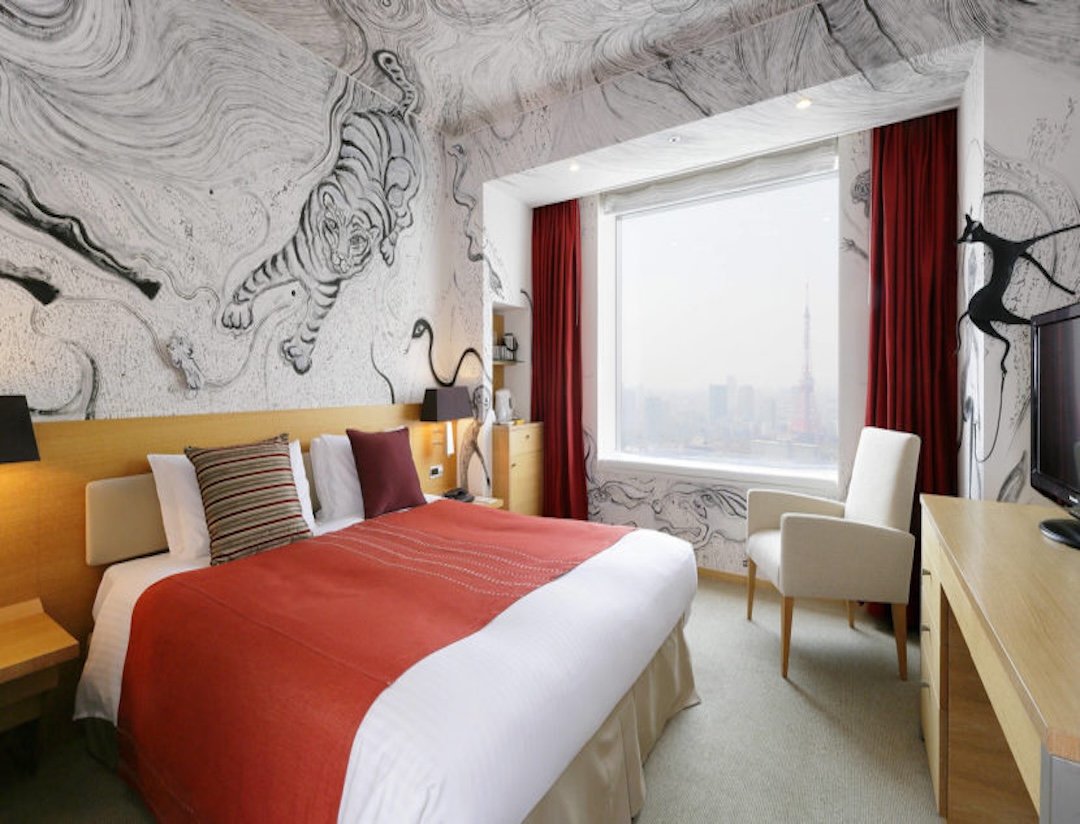
  • Zodiac: In the sixth project, painter Ryosuke Yasumoto decorated a room themed on the 12 signs of the Zodiac. The cat and weasel, which are not included in the 12 signs but appeared in the folk tale about how they missed out on being chosen, are included in the room decoration.
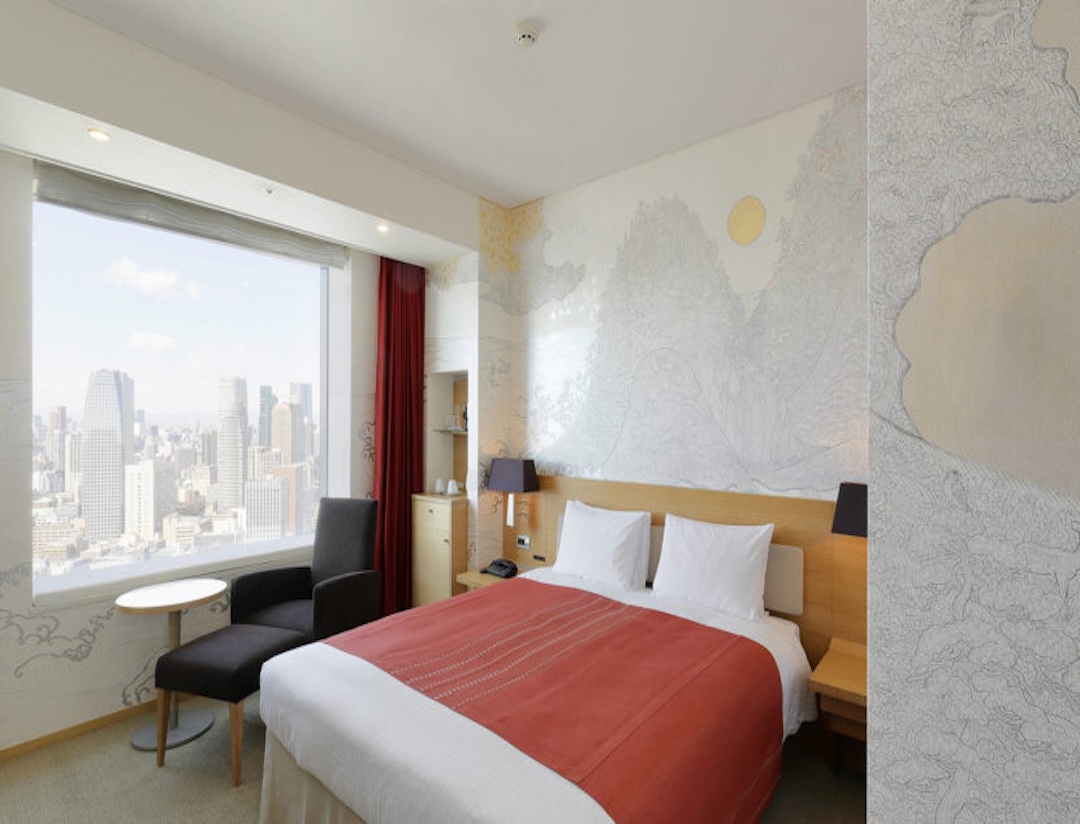
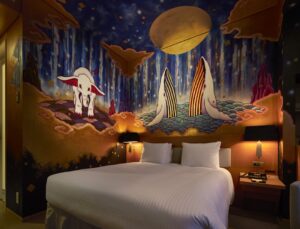
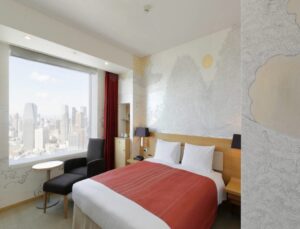
  • Landscapes: This painting, which takes “The Folding Screen of Landscape with the Sun and Moon” at Kongoji Temple, Osaka, as its motif, is a landscape painting which changes and glimmers with the passage of time.
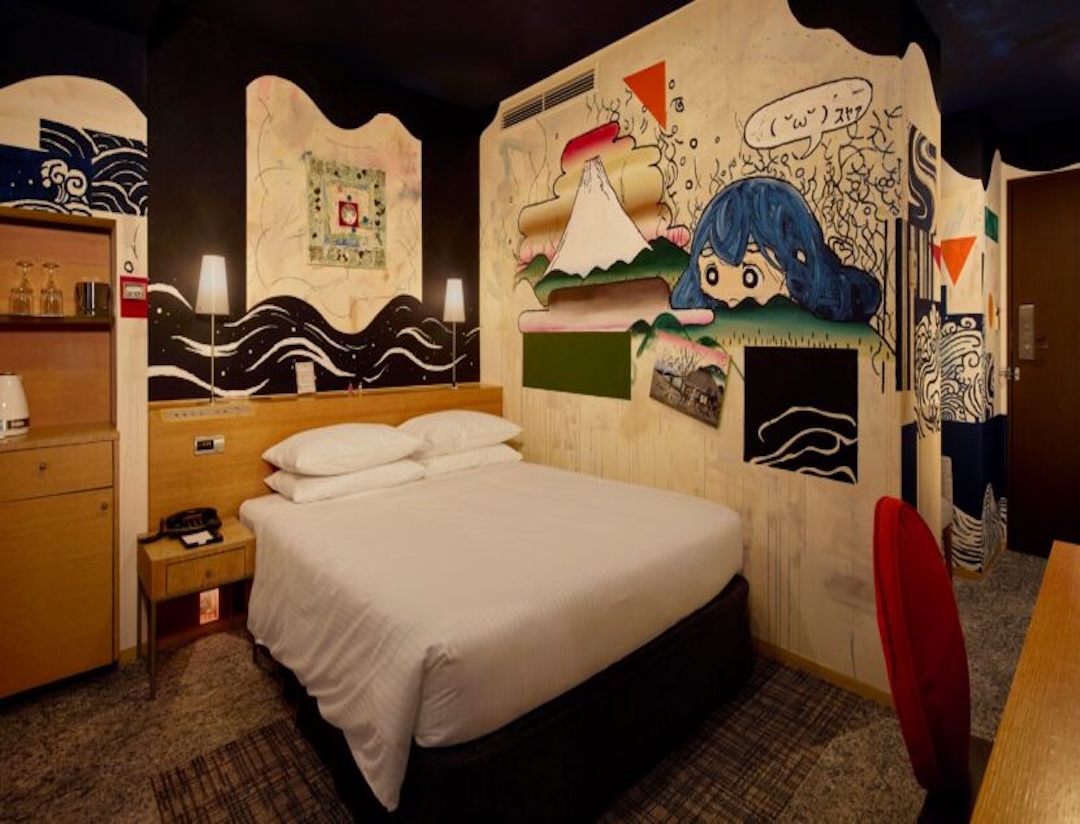
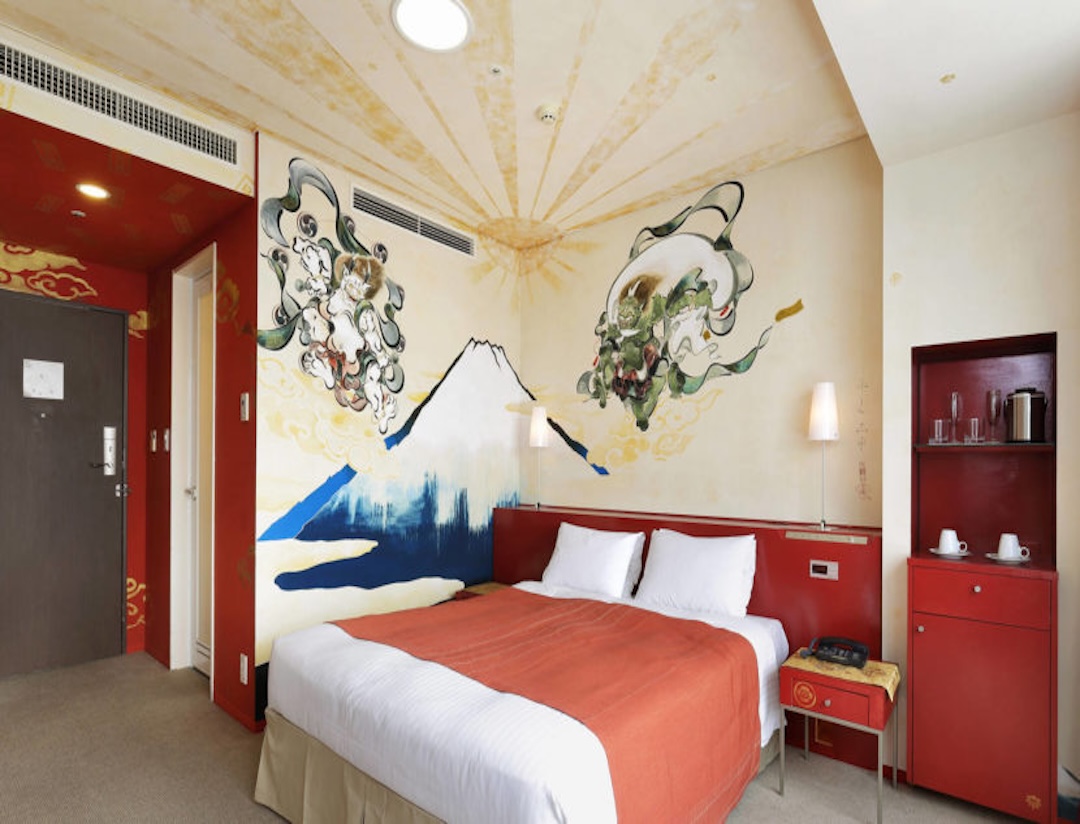
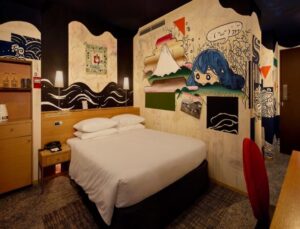
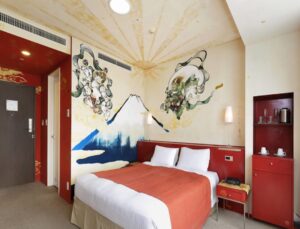
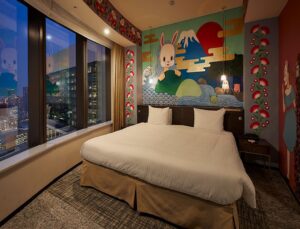
  • Mount Fuji: The 30th Artist Room “Mount Fuji” was started by artist Shiki Taira. When you open the door and walk through the bright red gate entrance fashioned like a torii gate, you’ll see a variety of gods flying around in the sky above Mount Fuji. On the opposite wall is the Seven Lucky Gods on a treasure ship.
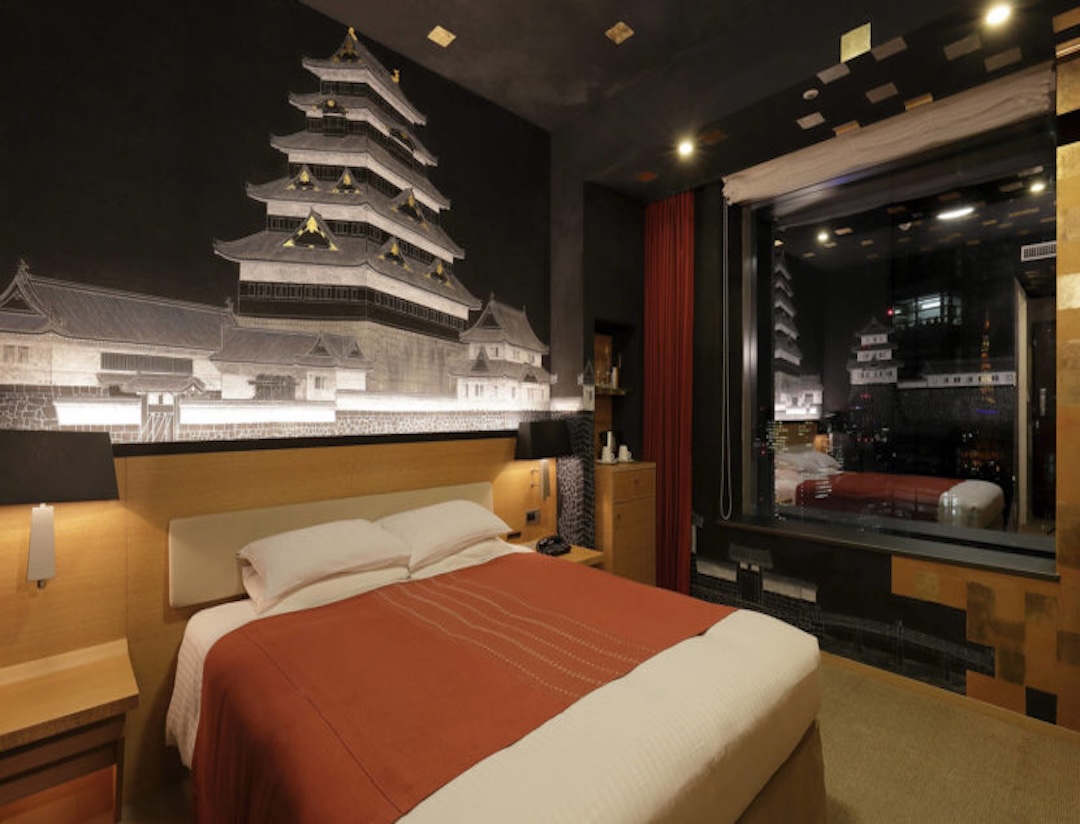
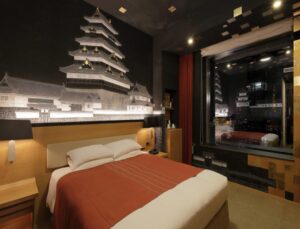
  • Castle: The 14th room Artist Room on the theme of “Castle”. When you pass through the entrance to the room, which mimics a stone wall, you see a towering castle with a golden killer whale painted on the wall above the headboard.
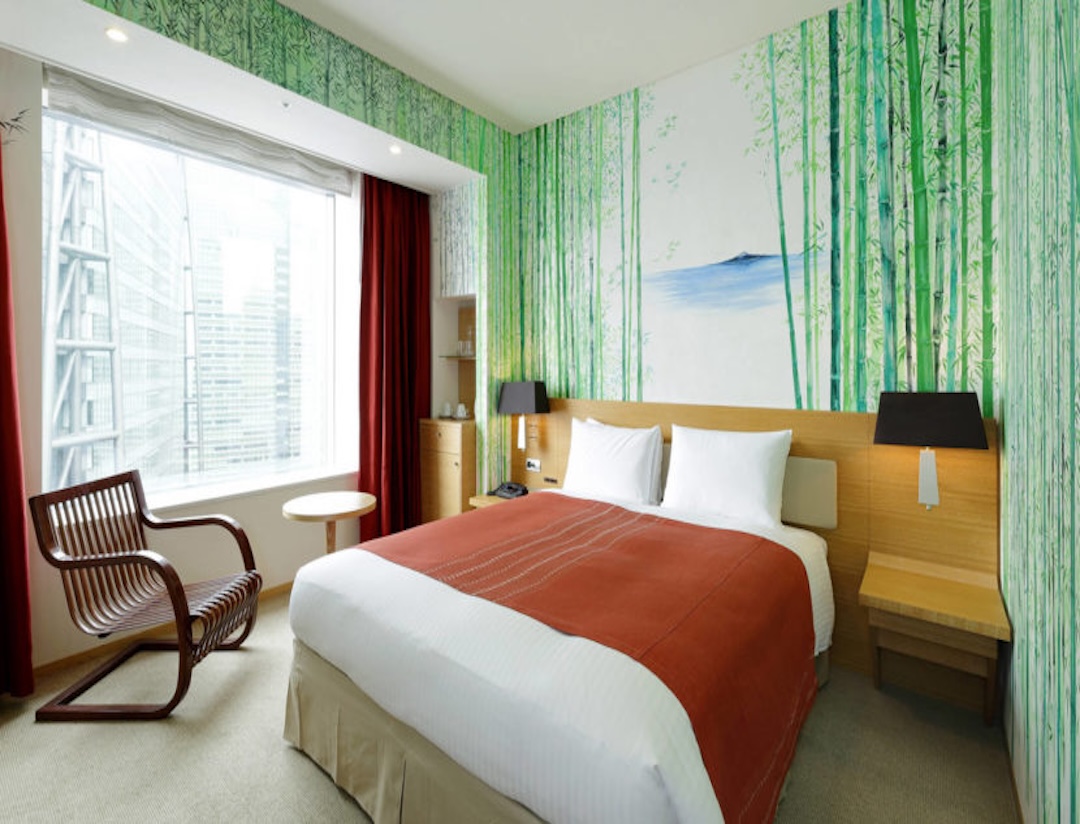
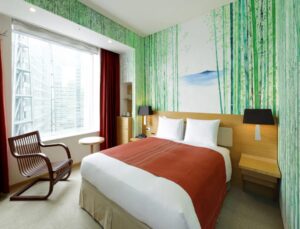
  • Bamboo: The 10th room, “Bamboo”, was the motif chosen by the Japanese artist Yoshitaka Nishikawa. When you enter the room, the first thing you’ll notice is the fresh green color. Then the bamboo trees stretching straight up to the sky, making you feel just as if you were going deeper and deeper into a bamboo forest.
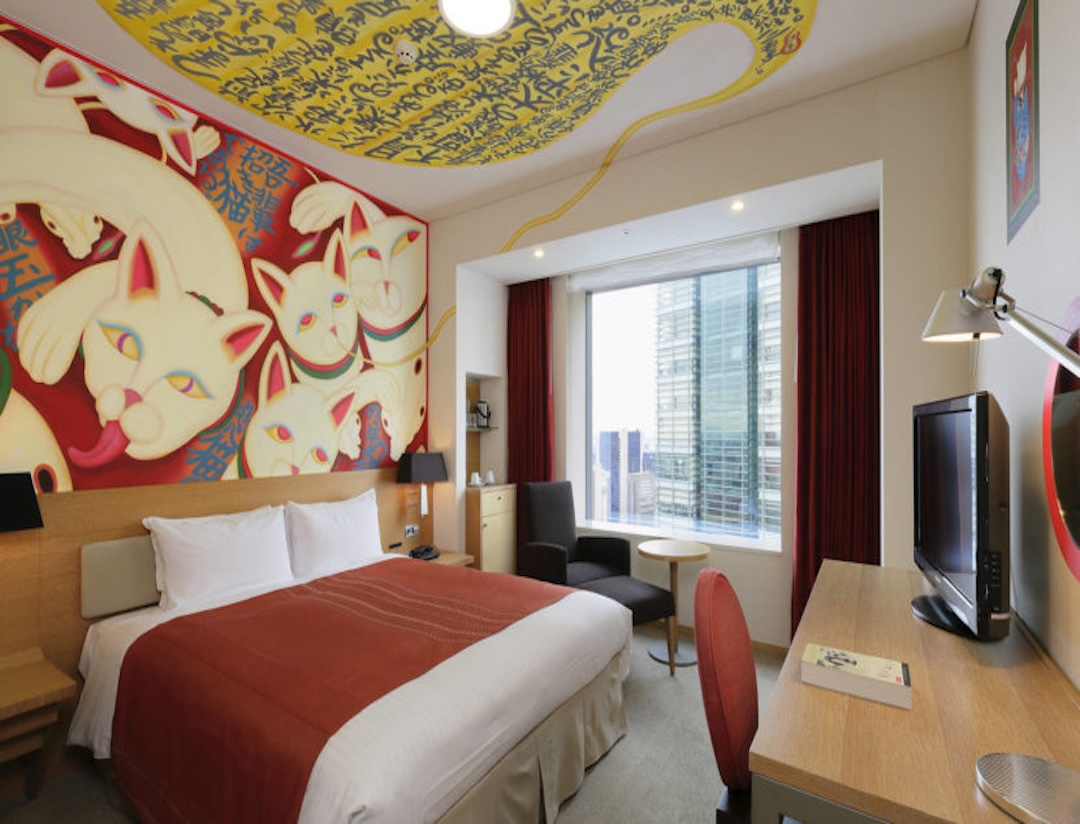
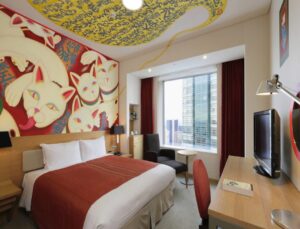
  • Lucky Cat: The artist Hyōgo Mino started to work on the “Lucky cat”, the 19th room in the series. The theme of this room is Lucky Cat, and Japanese famous author Soseki Natsume is the key player behind theme. The walls acting as the bedside screen feature mysterious Lucky Cat.
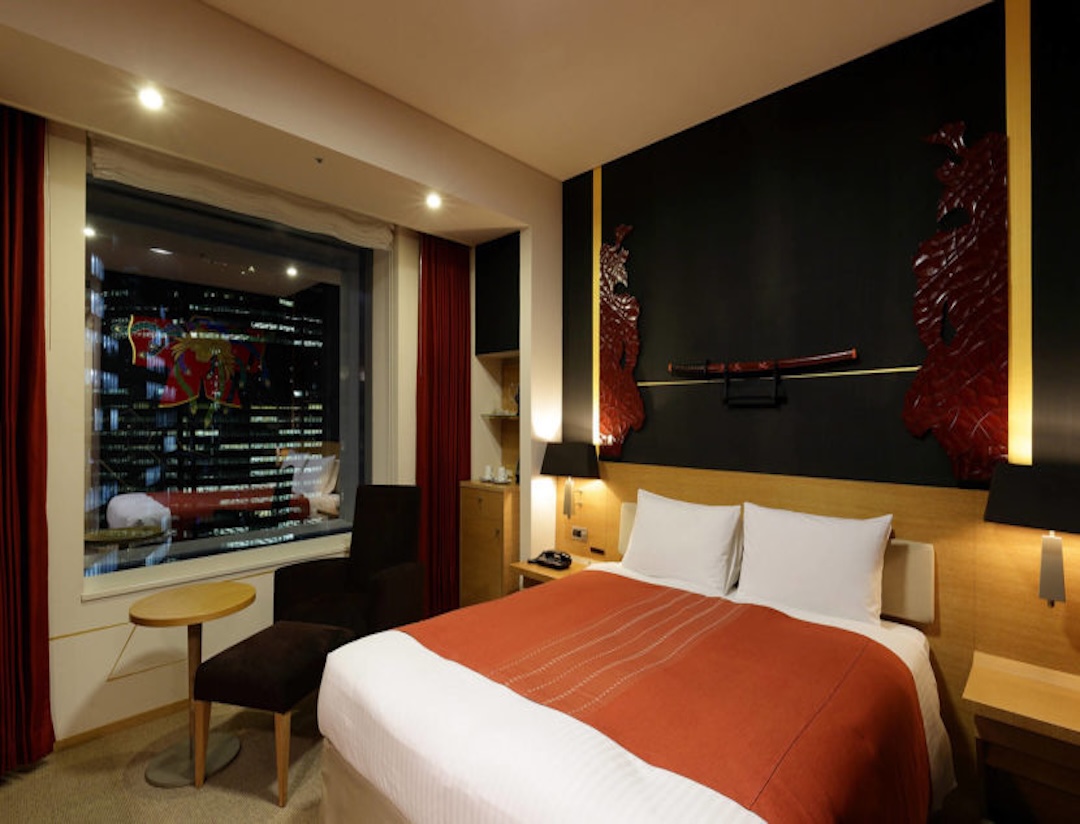
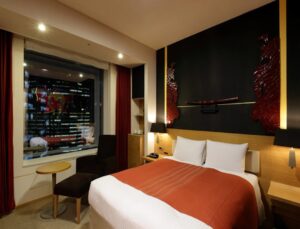
  • Samurai: The 25th Artist Room on the theme of “Samurai”. The Artist Room Samurai was created with the desire to communicate this traditional skill to the world in a form that lives in the present.
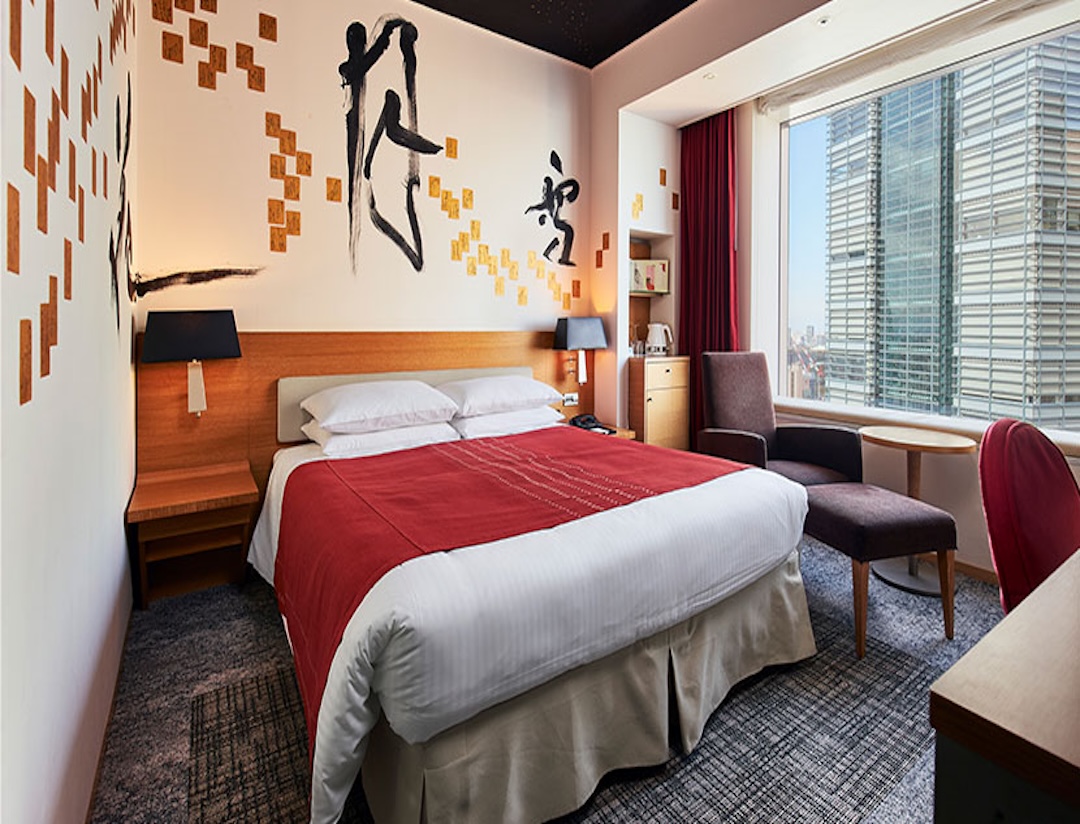
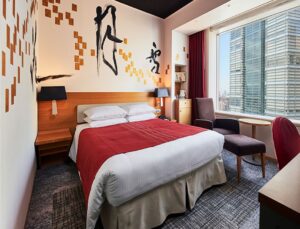
  • One Hundred Poems: Respecting the orthodox style of calligraphy, Inkyo also produces works with a free and creative mind. Inkyo showed Japanese aesthetics by using Japanese “kana” characters, saying, “I wanted to express the elegance of aristocrats in the Heian period.” The Japanese syllabary is said to have blossomed in the period (794-1192).
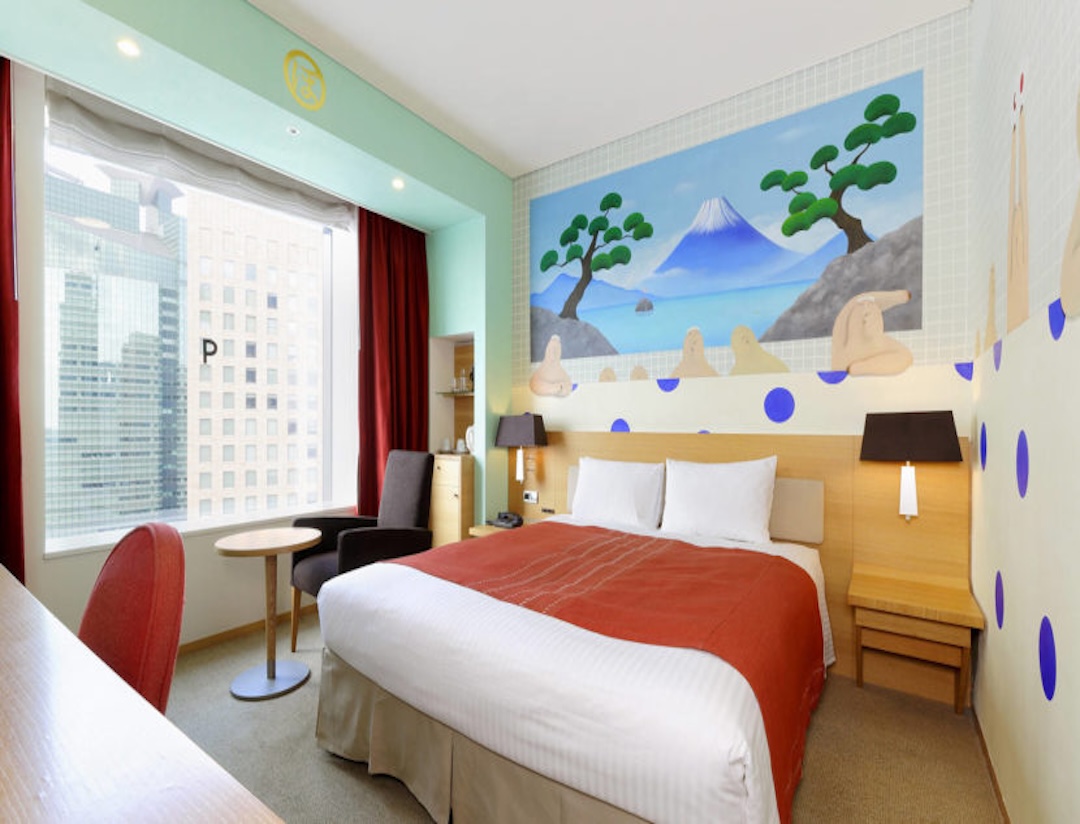
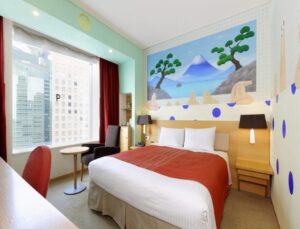
  • Public Bathhouse: The 11th Wave of this project, “Sento”. On the headboard, a painting of Mount Fuji and pine trees. On the wall, the mosaic looks like tiles, but this is also a picture. This painting, which makes you feel like you’re actually inside a “sento” (Japanese bathhouse), surrounds you.
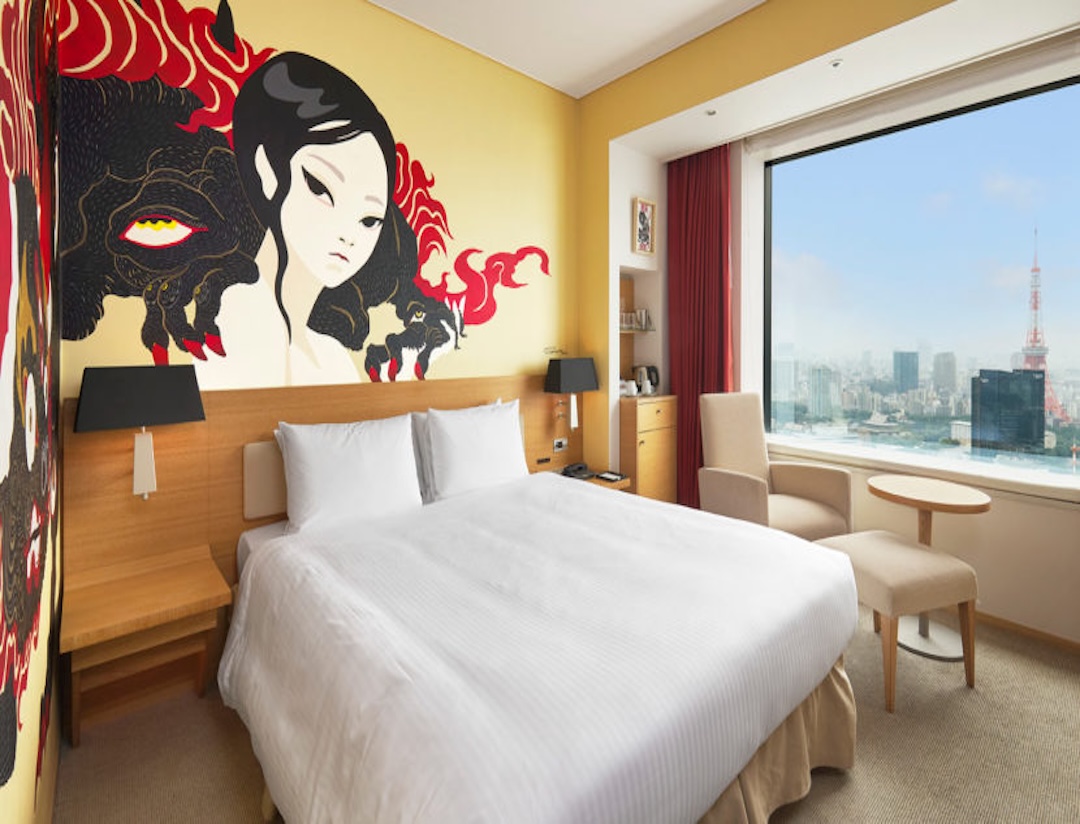
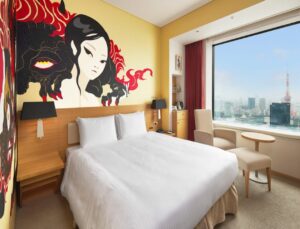
  • Yokai: For the 5th “Artist in Hotel Project”, where an entire room is decorated by an artist, the Japanese painter Nobuo Magome chose the theme of “Supernatural beings and the sky”.
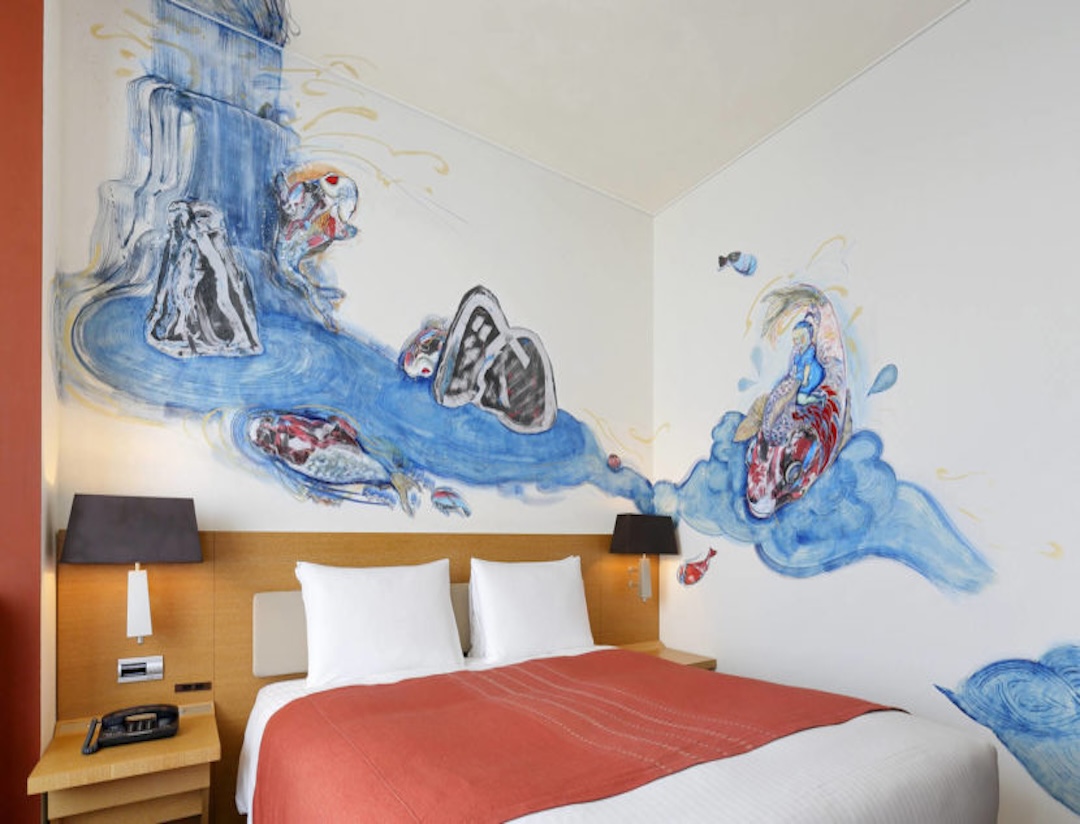
  • Carp: Hope that the carp will also be lucky for those who stay in this room. The 15th room, “Carp”, was the motif chosen by the Japanese artist Yoko Naito.
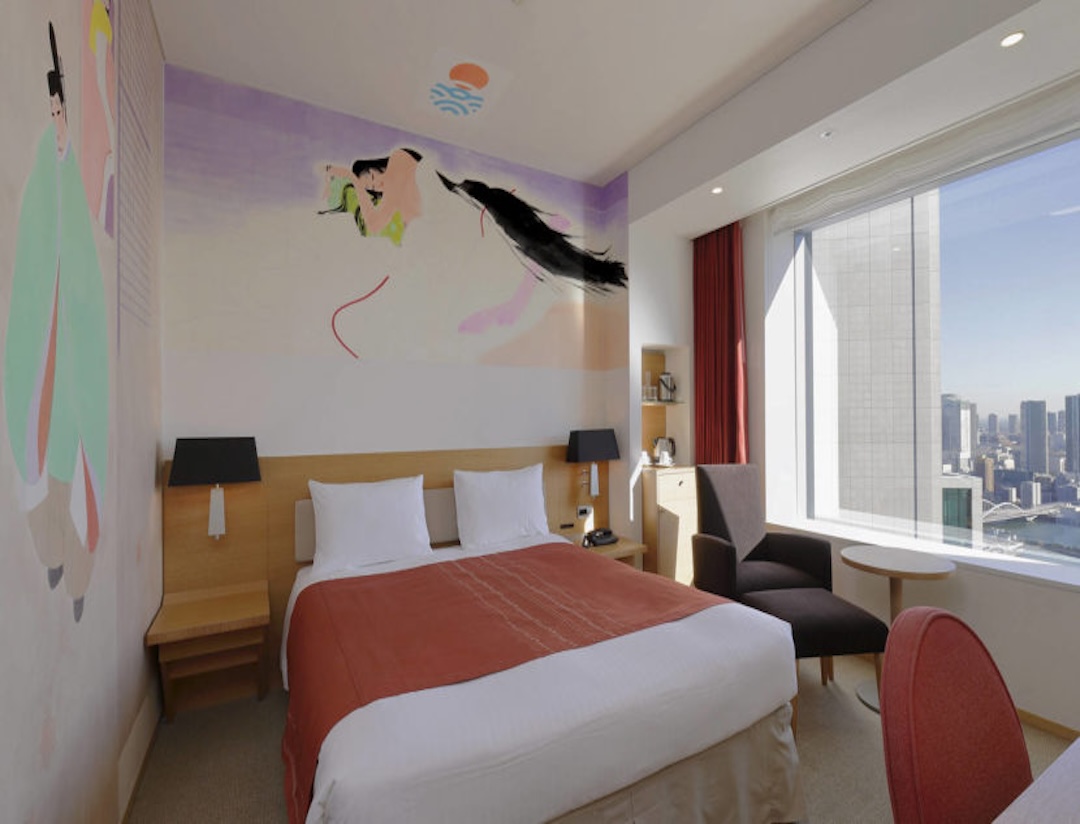
  • The Tale of Genji: The 27th Artist Room “The Tale of Genji”. Drawn on the five small and large walls are the scenes from The Tale of Genji, through Mizuno’s imagination. Soft, feminine women are painted using Poster Colors and diluting it with water, to portray the sophisticated, graceful world of Heian Period.
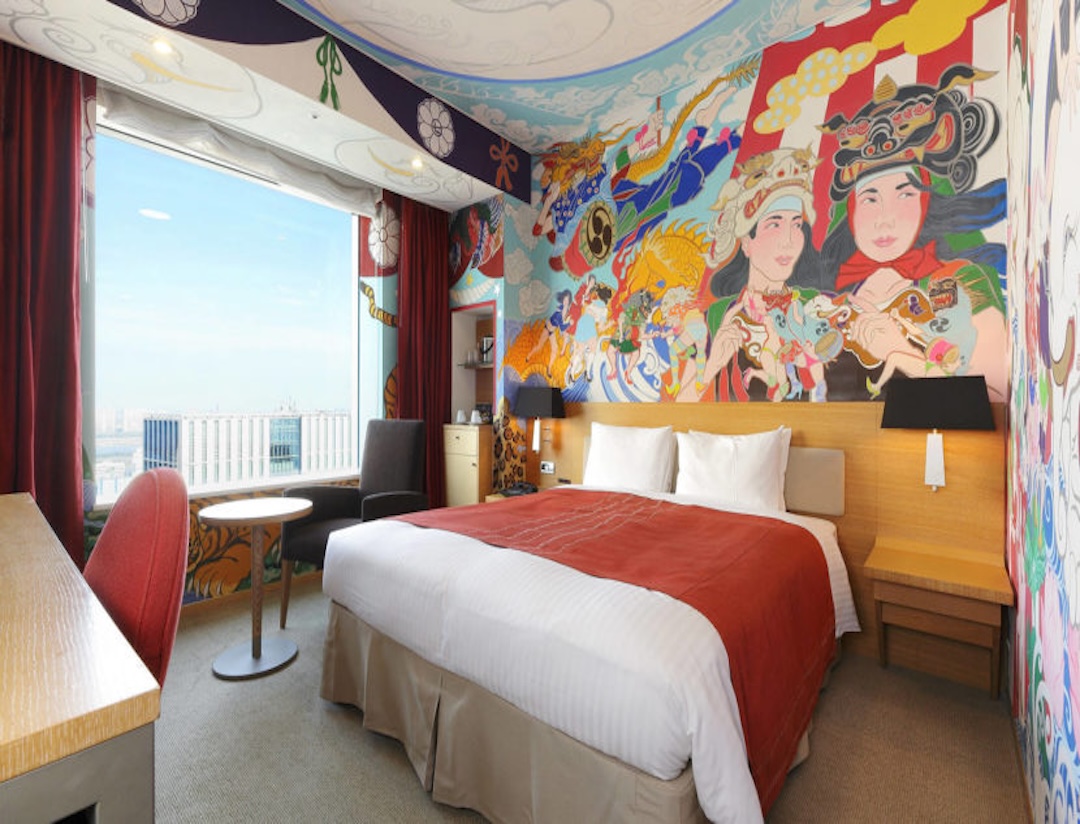
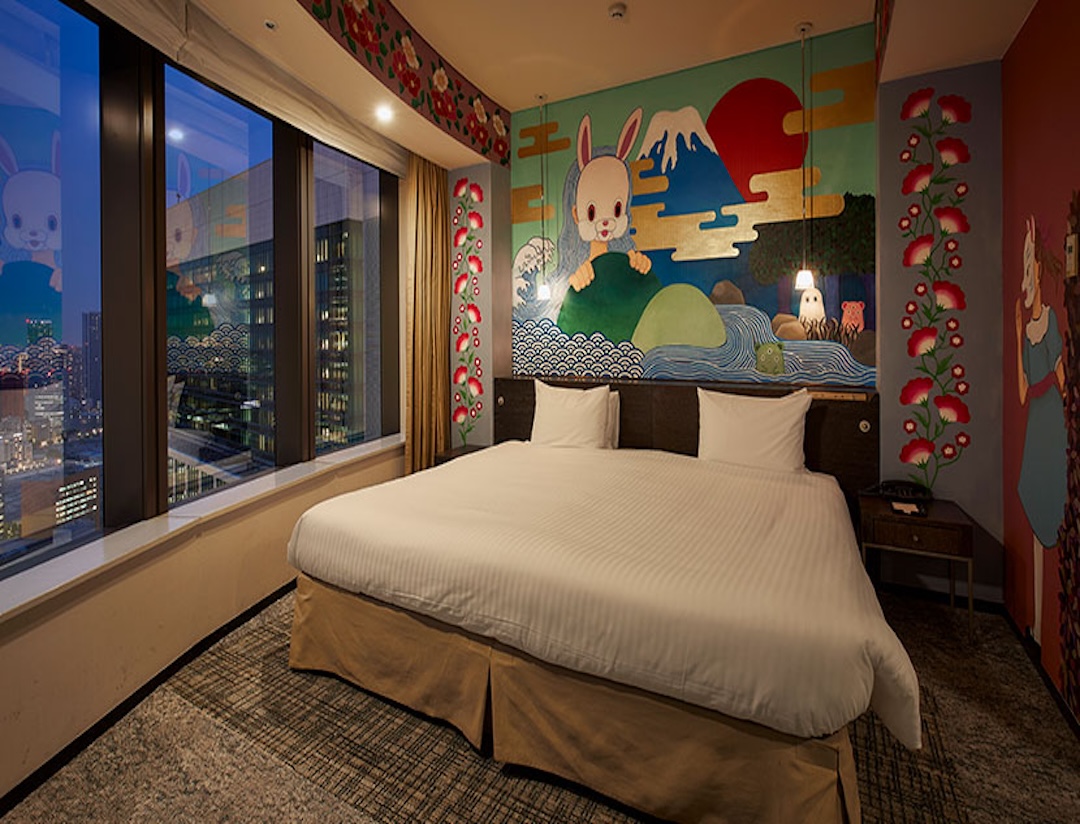
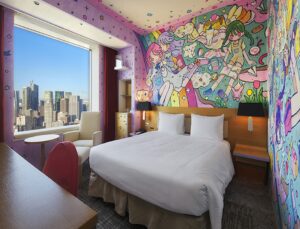
  • Festival: For the 8th “Artist in Hotel Project”. From the walls to the ceiling, people and animals are crowded together. Rabbits, elephants, gods and high school girls are all dancing in the festival on a red background.
  • Beauty of Akita: Akita is a prefecture situated in the north of Japan. A room decorated all over with Akita cedarwood, and is a fusion of Japanese and Western styles.

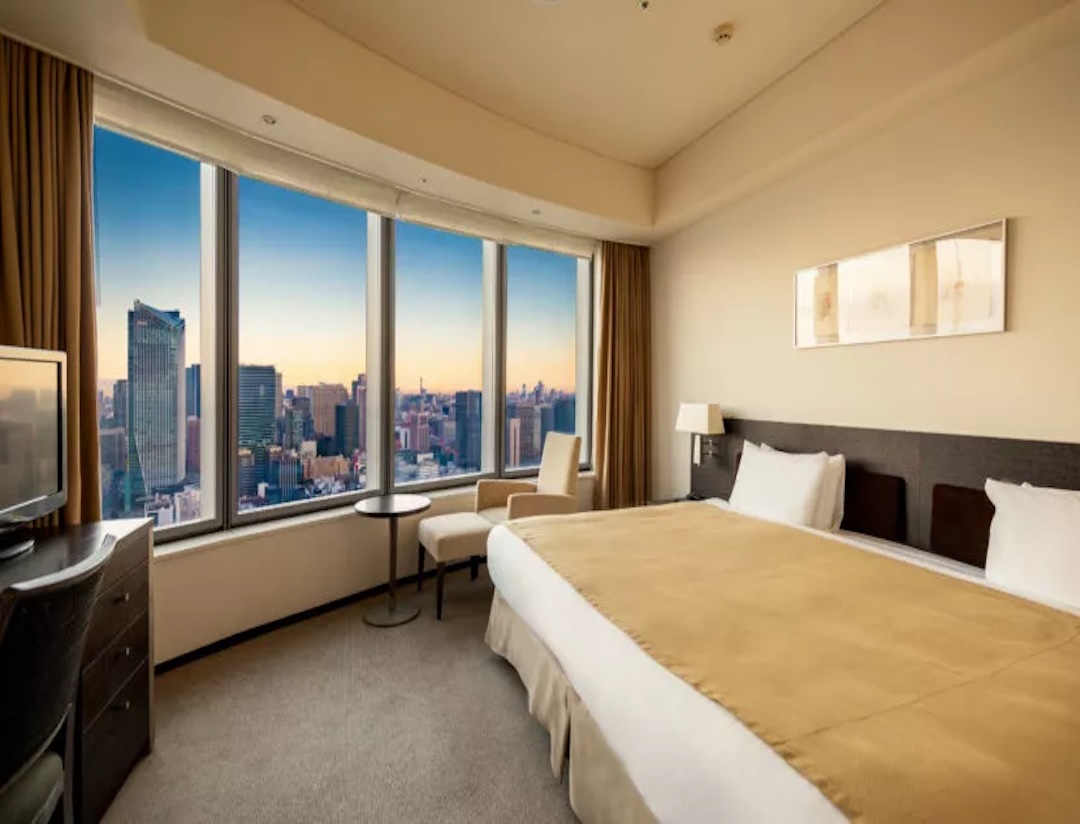
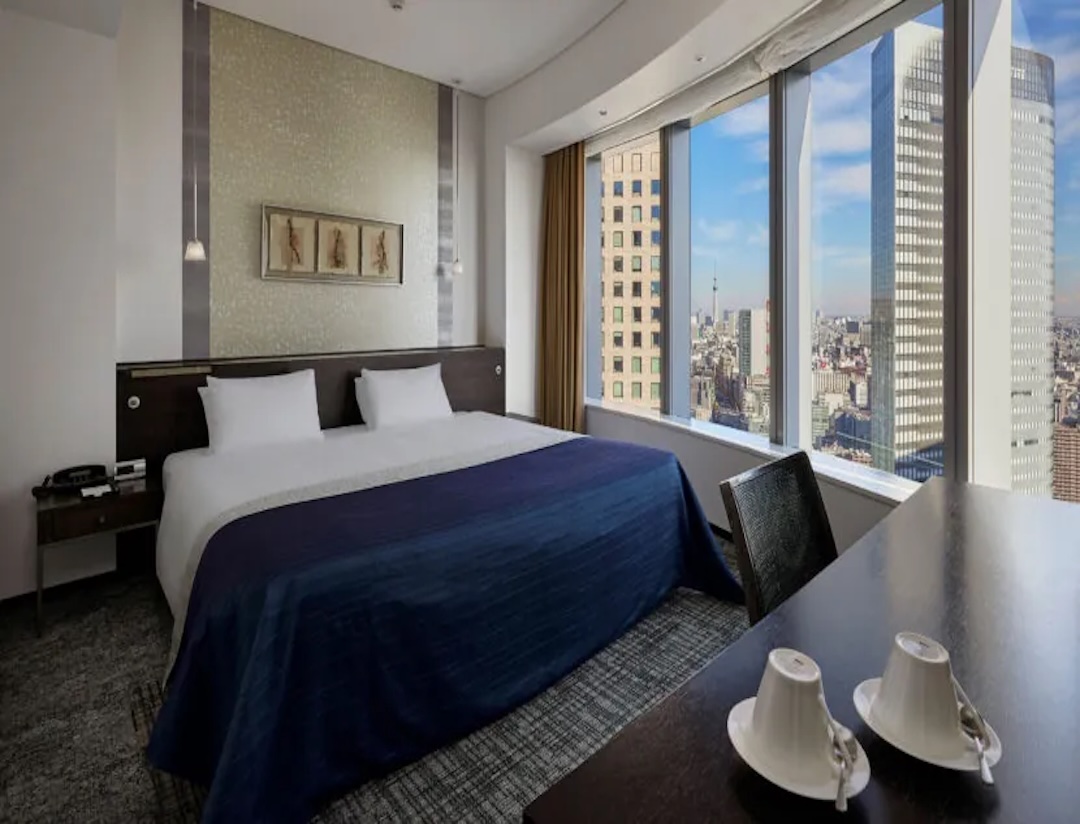
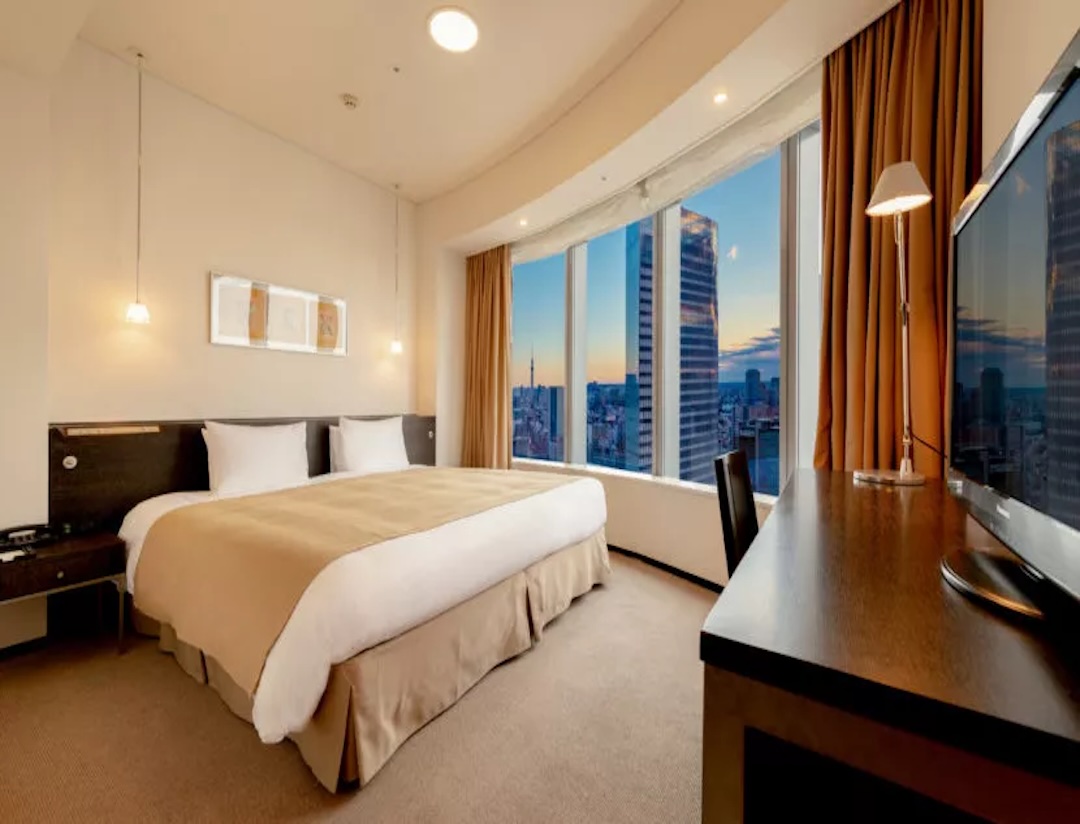
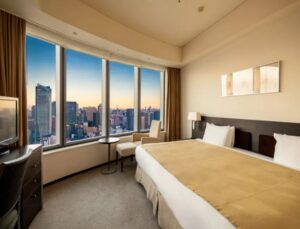
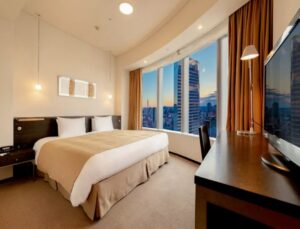
Corner: 26 sqm, King or Twin sized bed, City view. 

  • Utopia in Japan: The 50th artist room was created by artist Wakako Kawakami & Nagisa Nakauchi.
  • Mask: The 49th artist room was created by artist Honoka Hayashi. In Japan, a mask (Omen) can be a sacred object – appearing in Noh theater as an incarnation of a god that bridges our world with the other – yet in festivals it’s cherished as an item of laughter, humor, and good fortune.
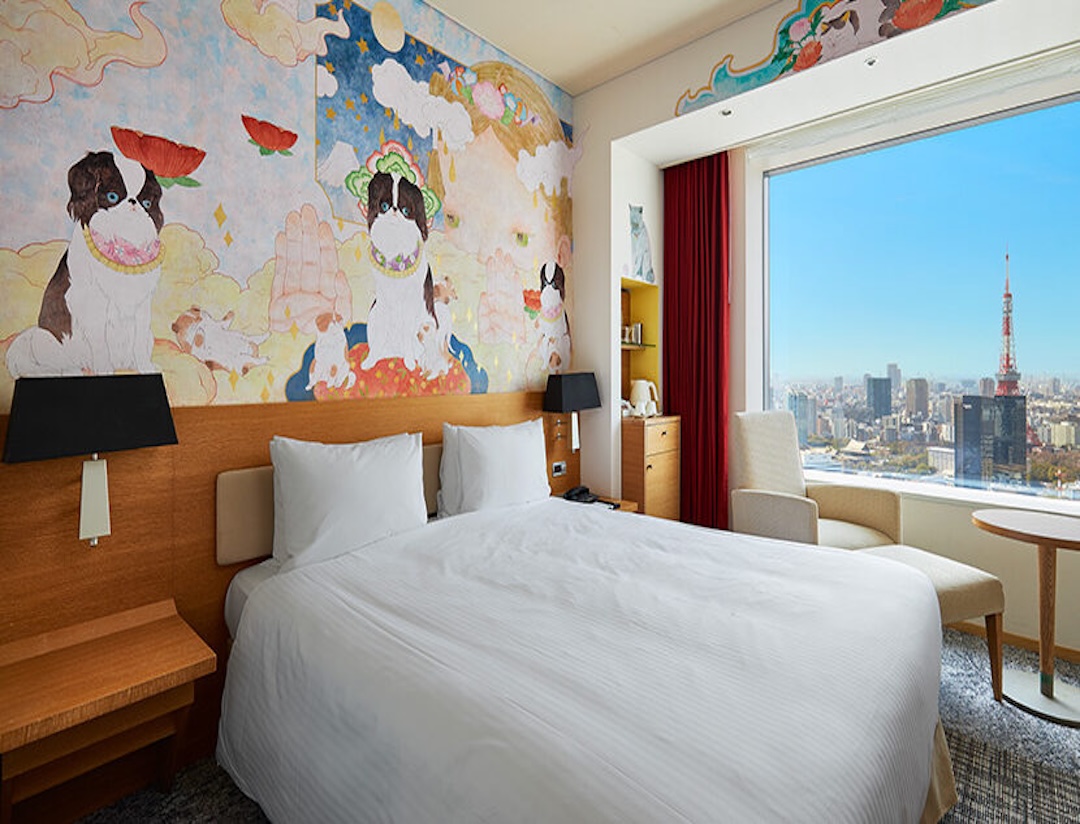
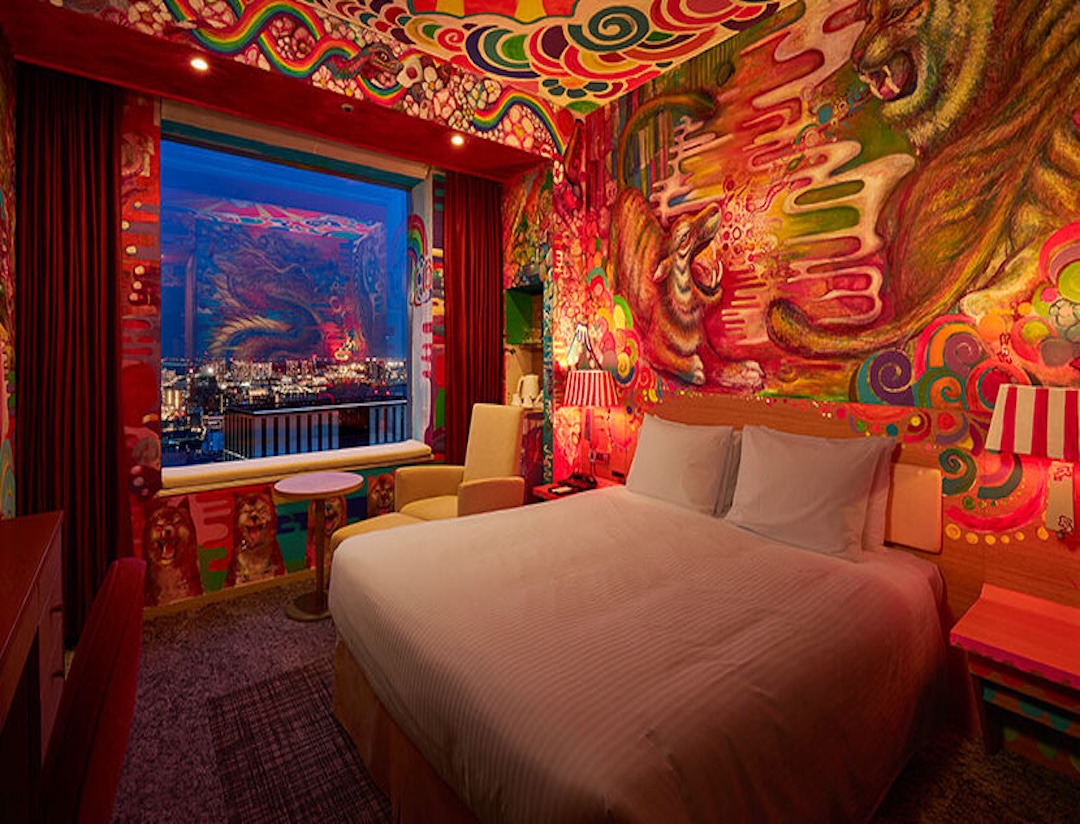
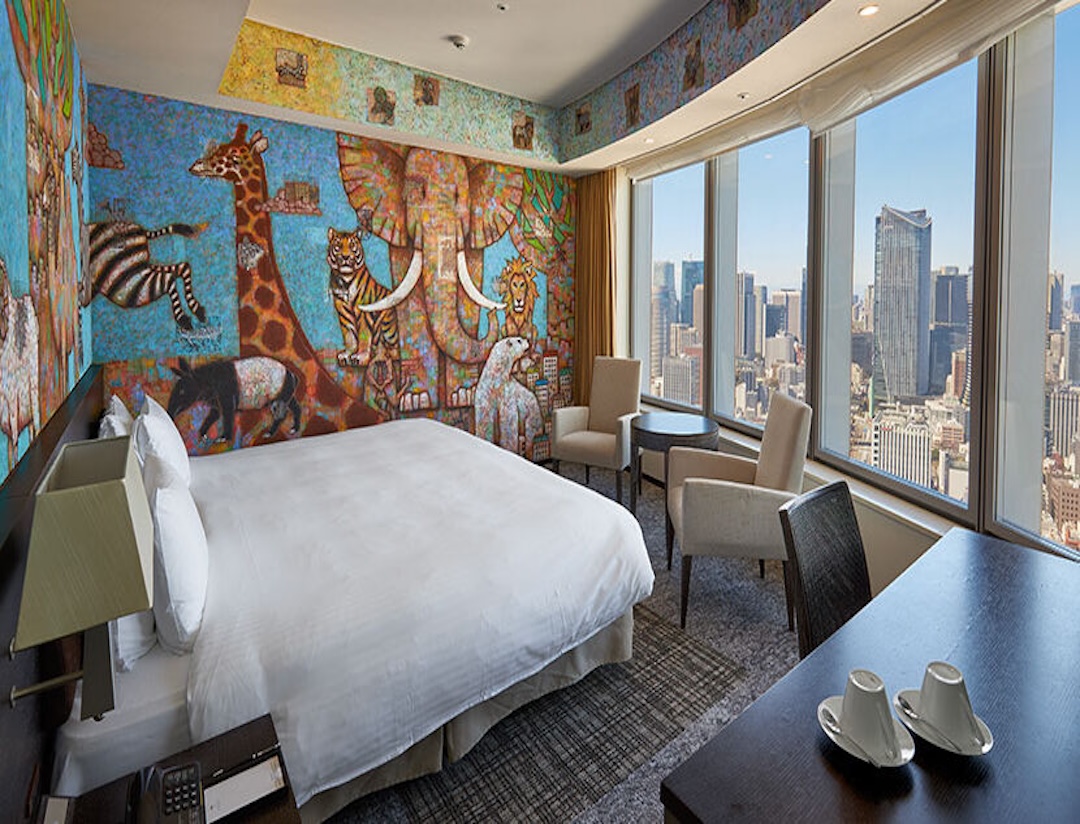
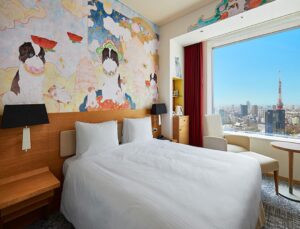
  • Birds and Animals in the City: The 40th artist room was created by artist Yuji Kanamaru. The “A-Un”(Agyo and Ungyo)” symbolized by the mouths of the two guardian dogs is said to represent the beginning and the end of all things.
  • En: The 31st artist room was started on production by textile artist Mariko Kobayashi. Park Hotel Tokyo hope that guests staying in this room will be connected with good “en” to Japan, this room, and everything that happens to you in future.
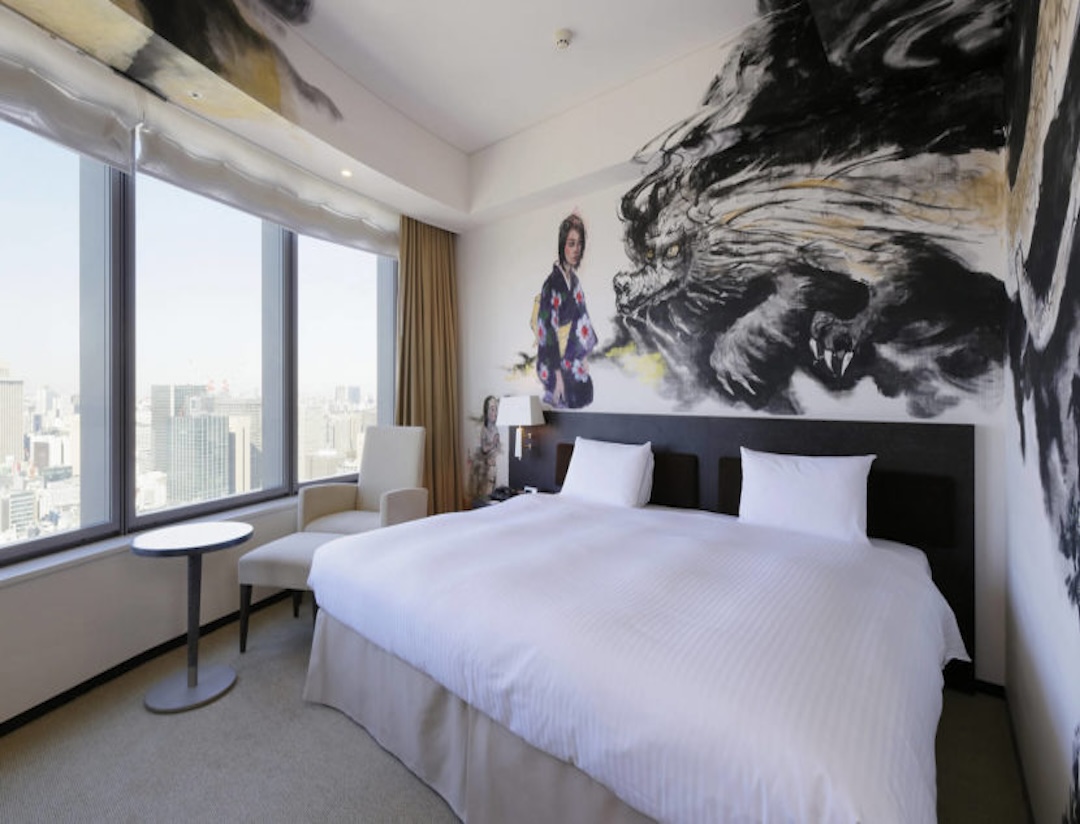
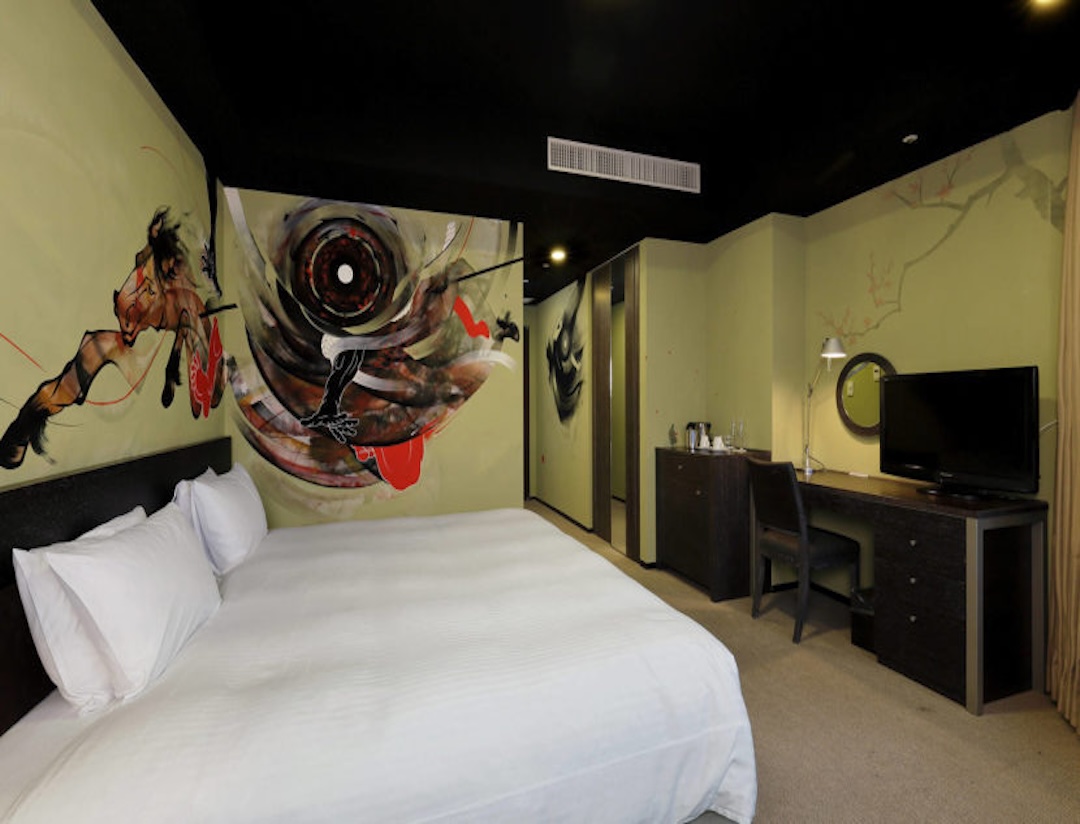
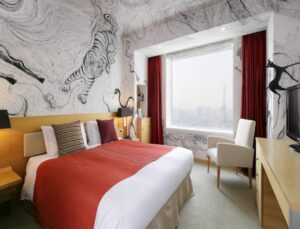
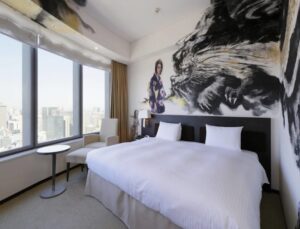
  • Dragon: The 4th room, with the theme of “Dragon”, was created when the artist Kiyoko Abe. The Dragon flying all over the room symbolizes the energy of Nature.
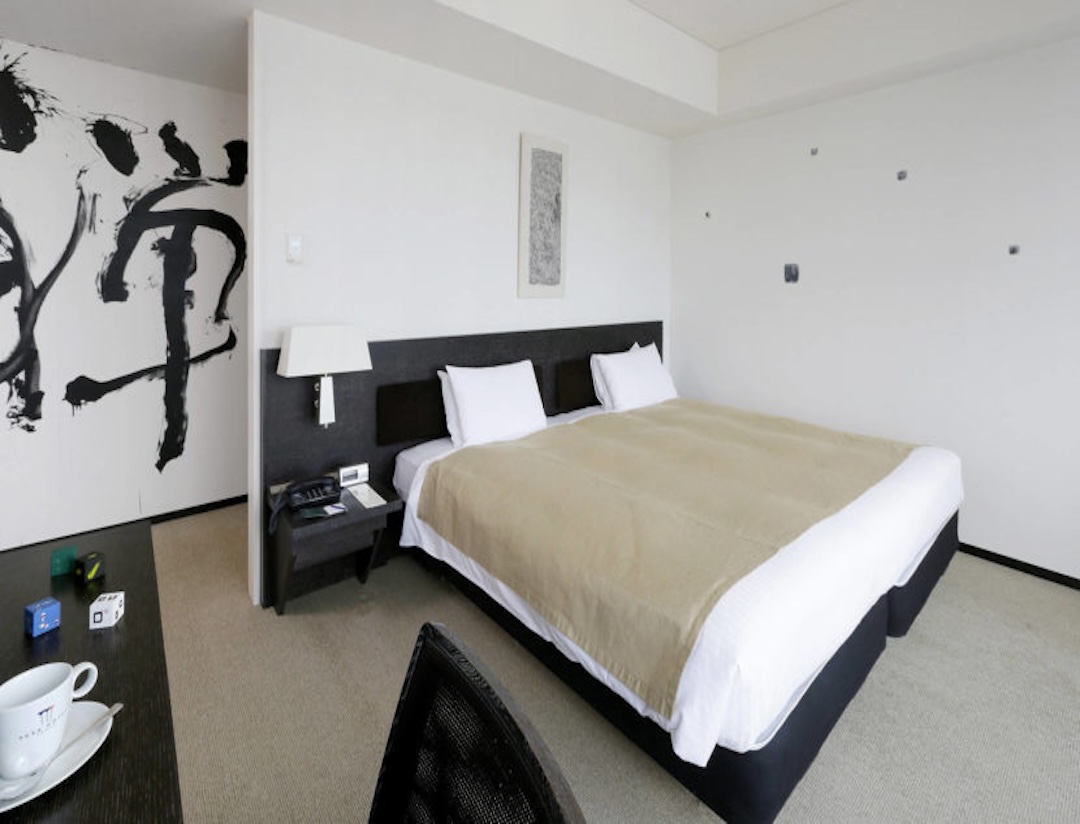
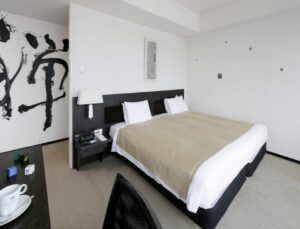
  • Zen: The Artist Room Zen was produced by calligrapher Seihaku Akiba under the concept of “a room where people can find tranquility in an urban setting.” Also placed in the room are paulownia wood boxes which represent the four seasons, as well as tatami mats on which guests can sit and meditate, a practice known as zazen.
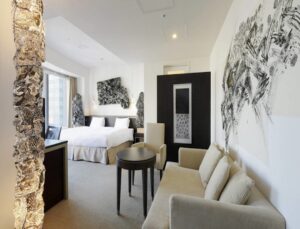
  • Washi: Washi is traditional Japanese paper, handcrafted by skilled hands. It can be used in many traditional arts like toys, clothes or everyday goods.
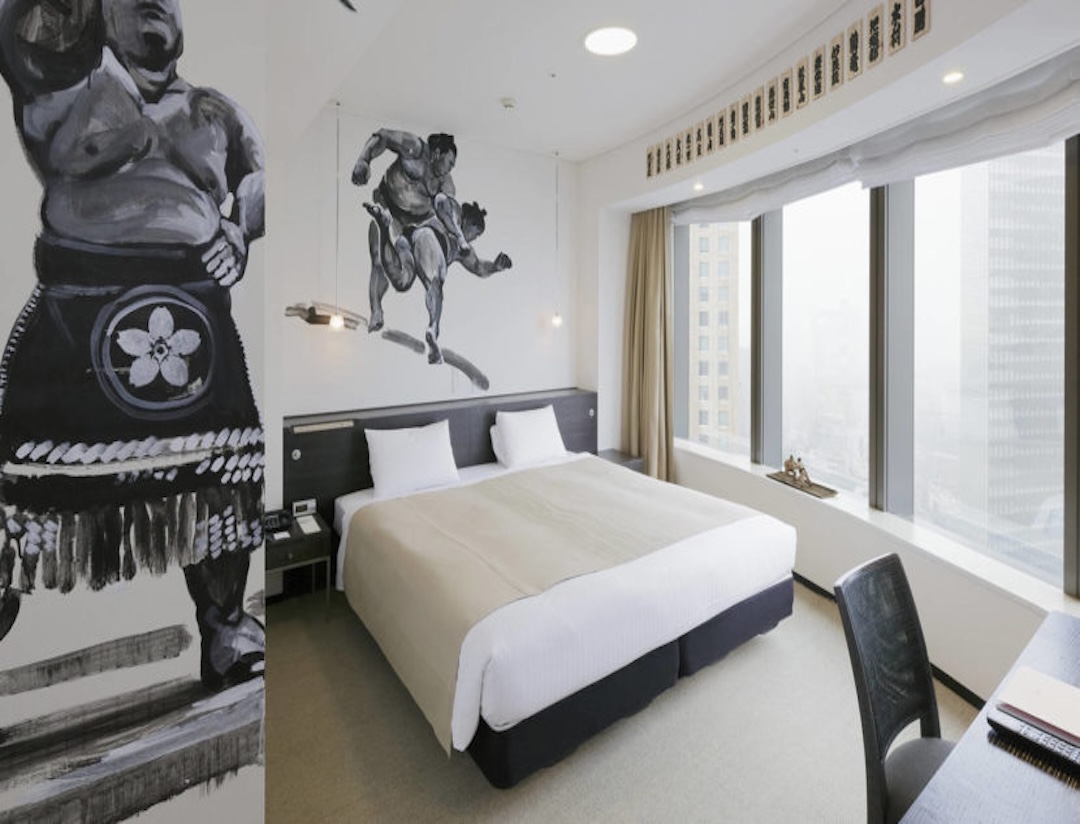
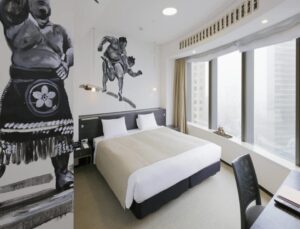
  • Sumo: The artist Kimura takes the Japanese national sport of sumo, which is one of his main topics, as a motif and constructs his Artist Room with careful attention to detail and with boundless humor.
  • Kabuki: The 24th Artist Room on the theme of “Kabuki”, which was started by artist OZ – Yamaguchi Keisuke. The art on the wall is created based on “Yanone”, an auspicious program usually performed in Kabuki shows during the New Year and captures the beauty of Japanese culture which encompasses ambiguity and reality.
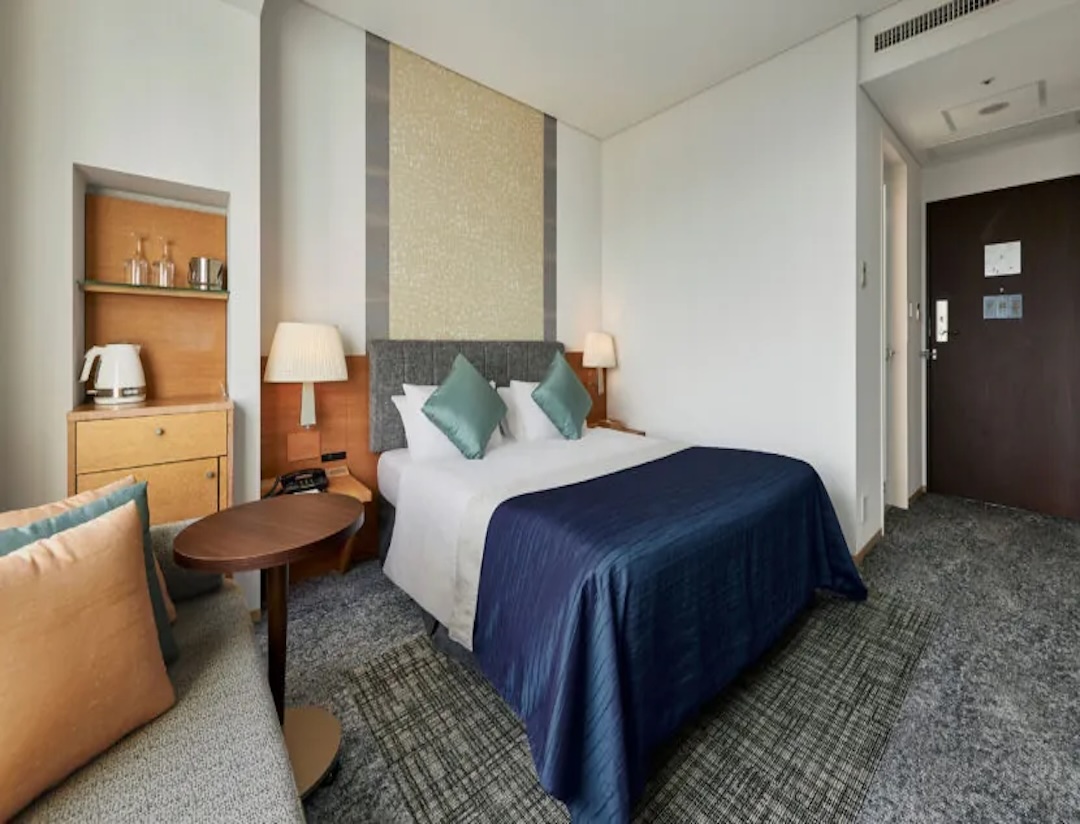
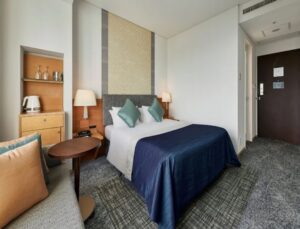
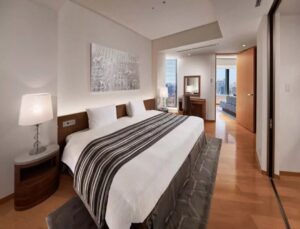
  • Deluxe: 33 sqm, King or Twin/ Triple sized bed, City view. 
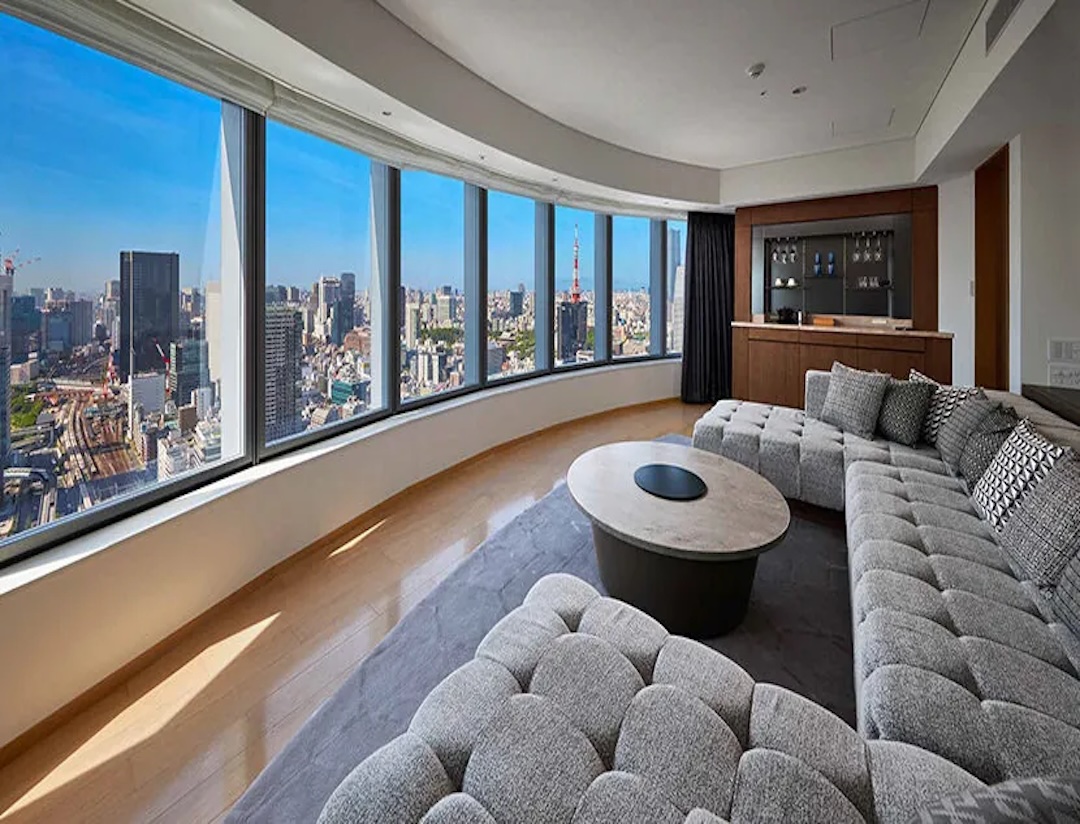
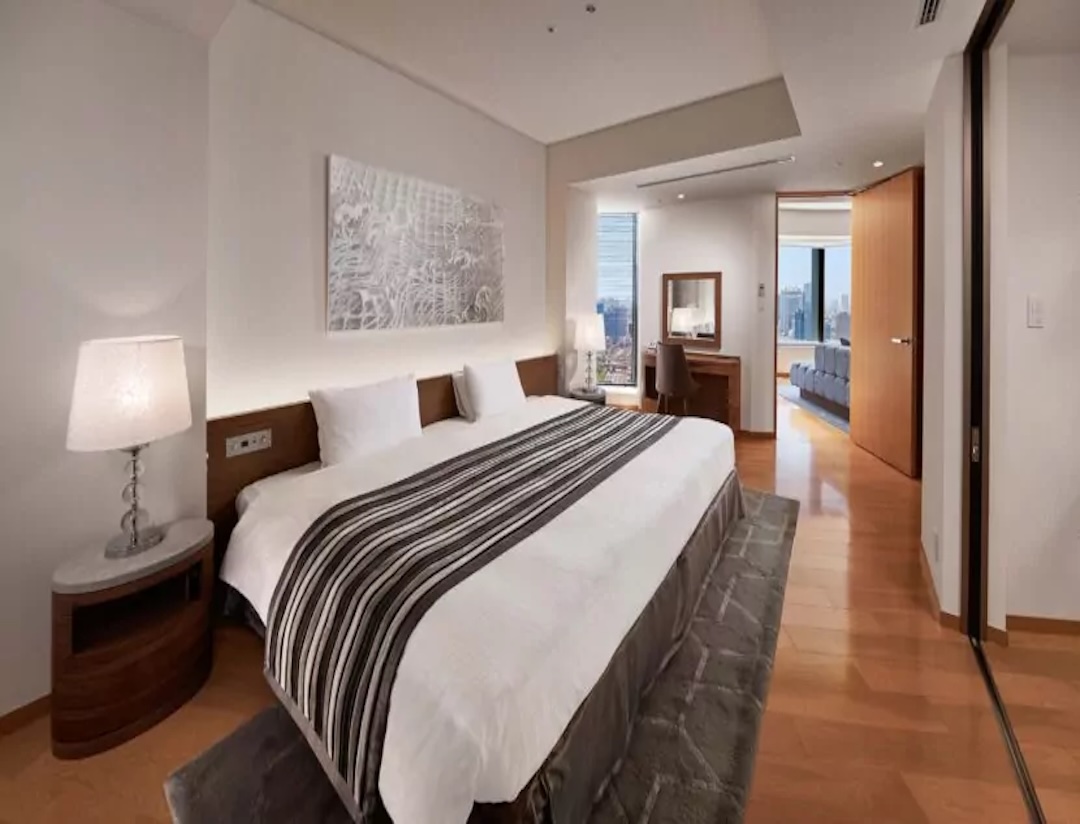
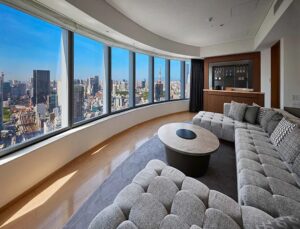
  • Park Suite: 80 sqm, King sized bed, City view.


Room Amenities

  • Wi-Fi
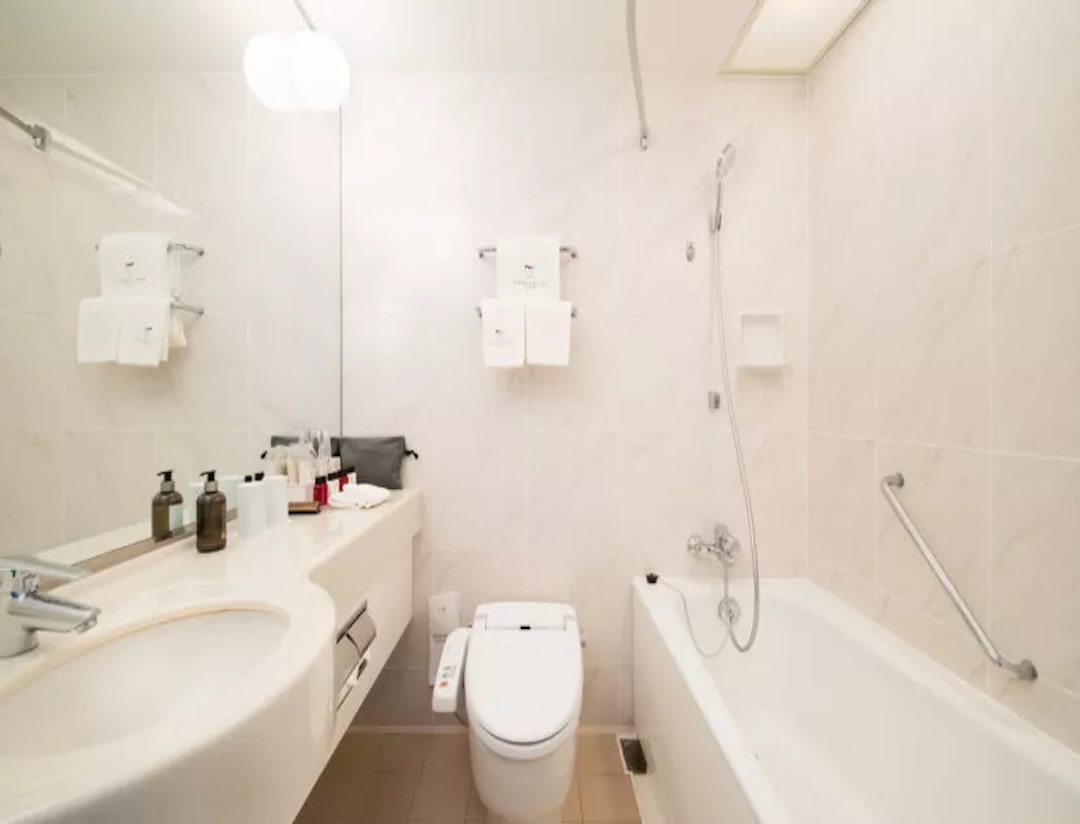
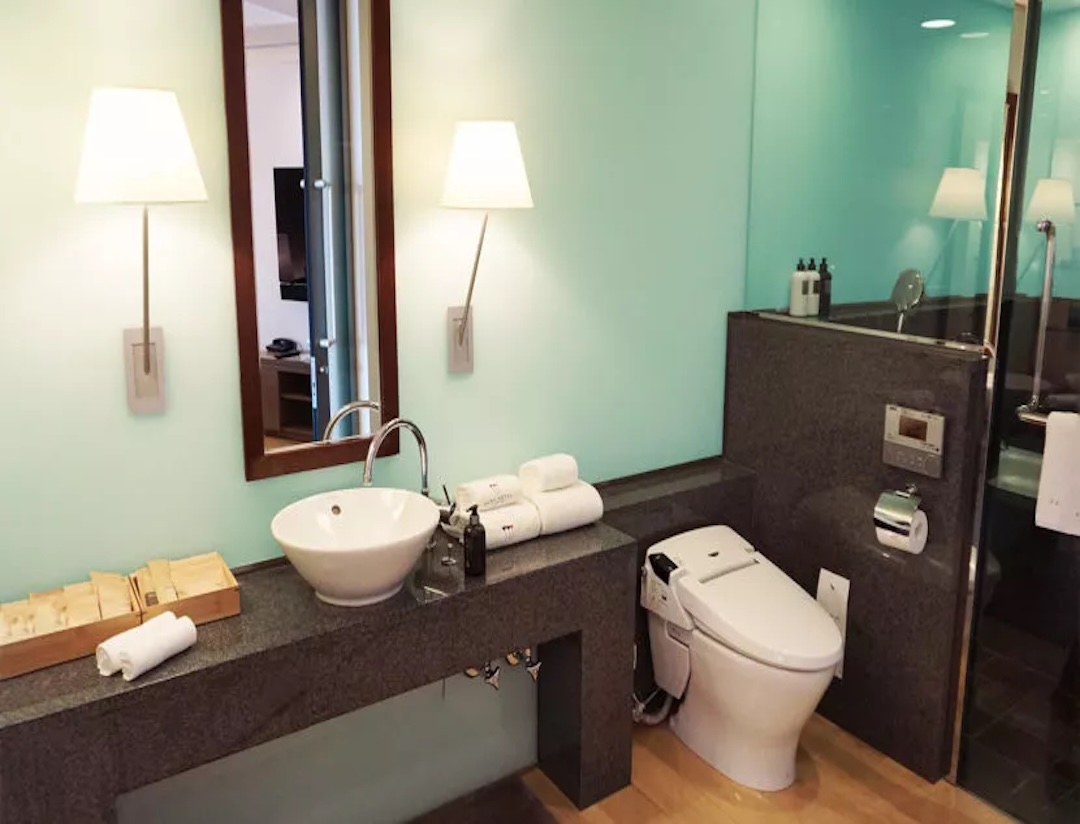
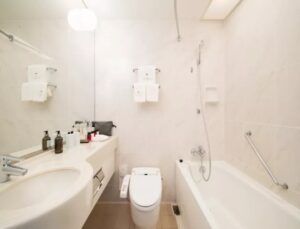
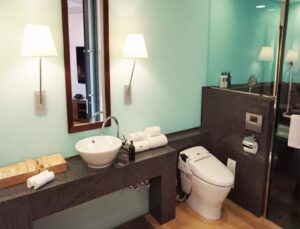
  • Room service, Bottled water, Coffee maker, Mini fridge, Kettle, Evening turndown service, Bidet, Bathroom amenities, Hair dryer, Slippers, Chair, Alarm clock.


Dining

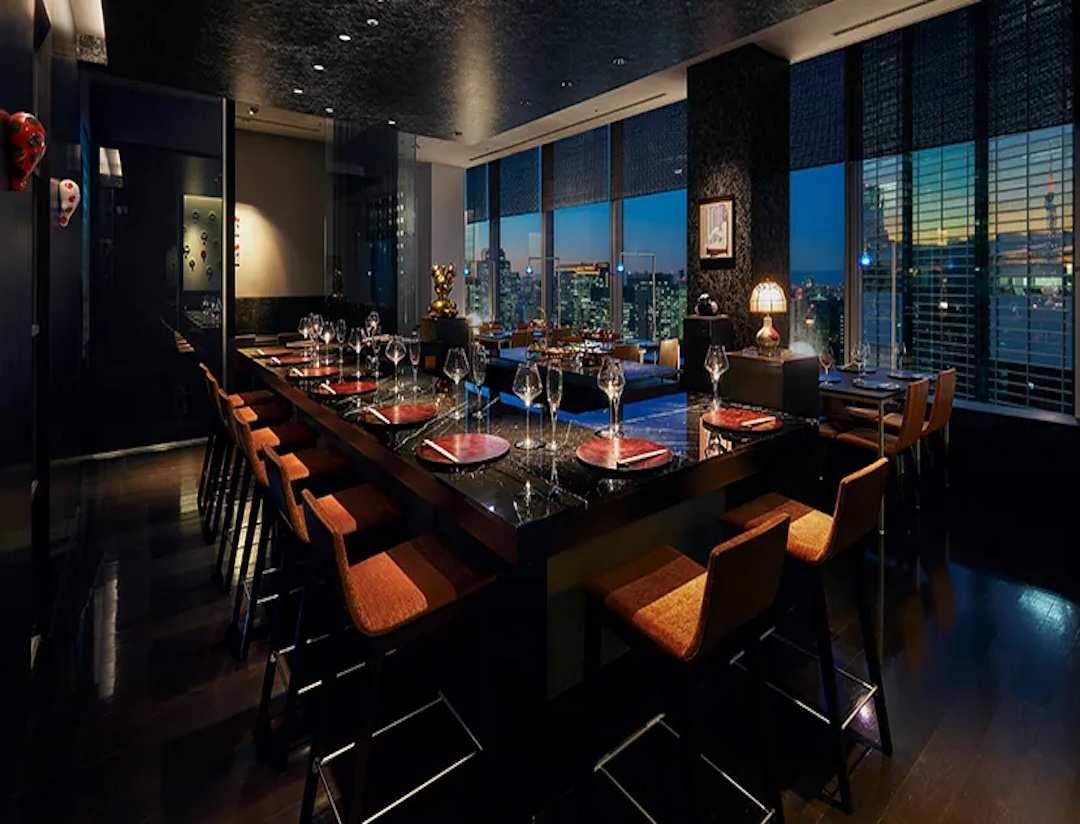
  • Hanasanshou: Offers a hearty selection of Japanese gastronomy, a fusion of tradition and innovation. From authentic sushi to wagyu beef steak and sashimi, you can enjoy the best of Japanese culinary culture. Traditional Japanese sake, shochu, and Japanese wines are also available, allowing you to enjoy Japanese food culture to your heart’s content along with fine.
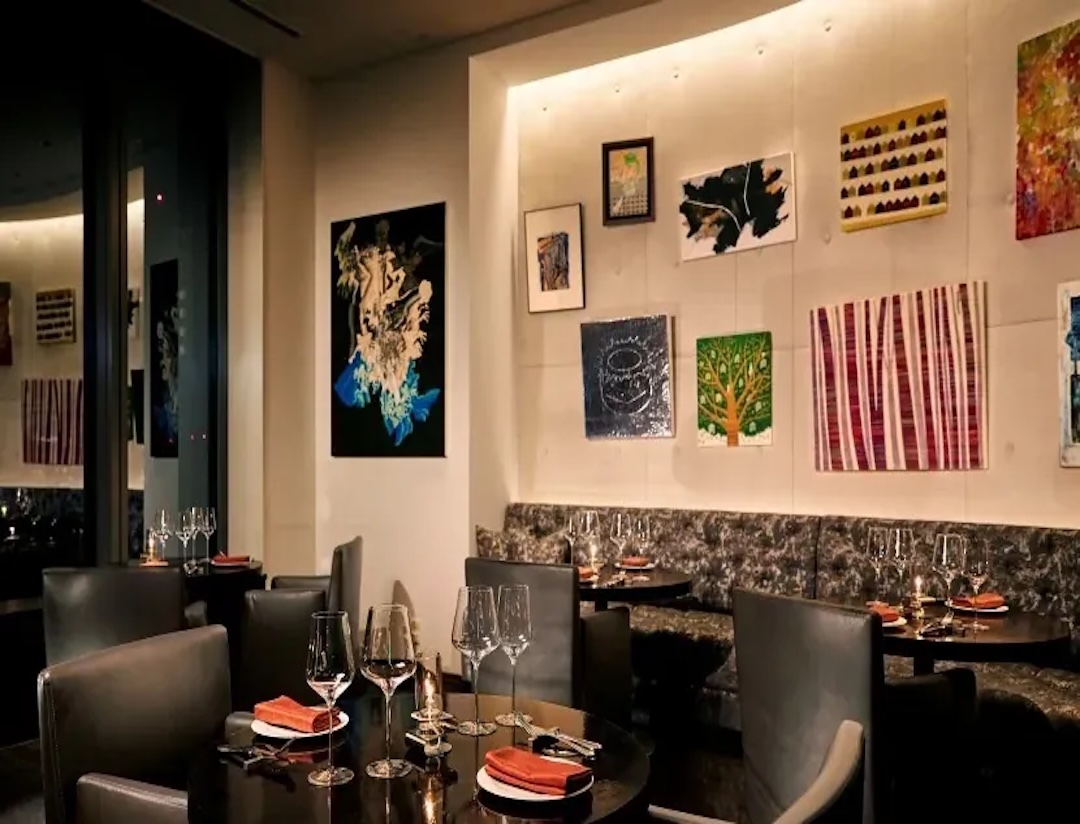
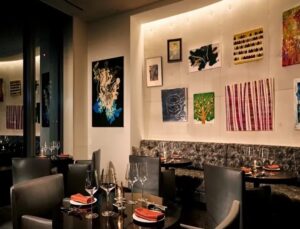
  • ART colours Dining: Welcome to our All-day dining, where you can experience what it is like to enjoy a sumptuous meal in a sophisticated, museum-like setting surrounded by artworks.
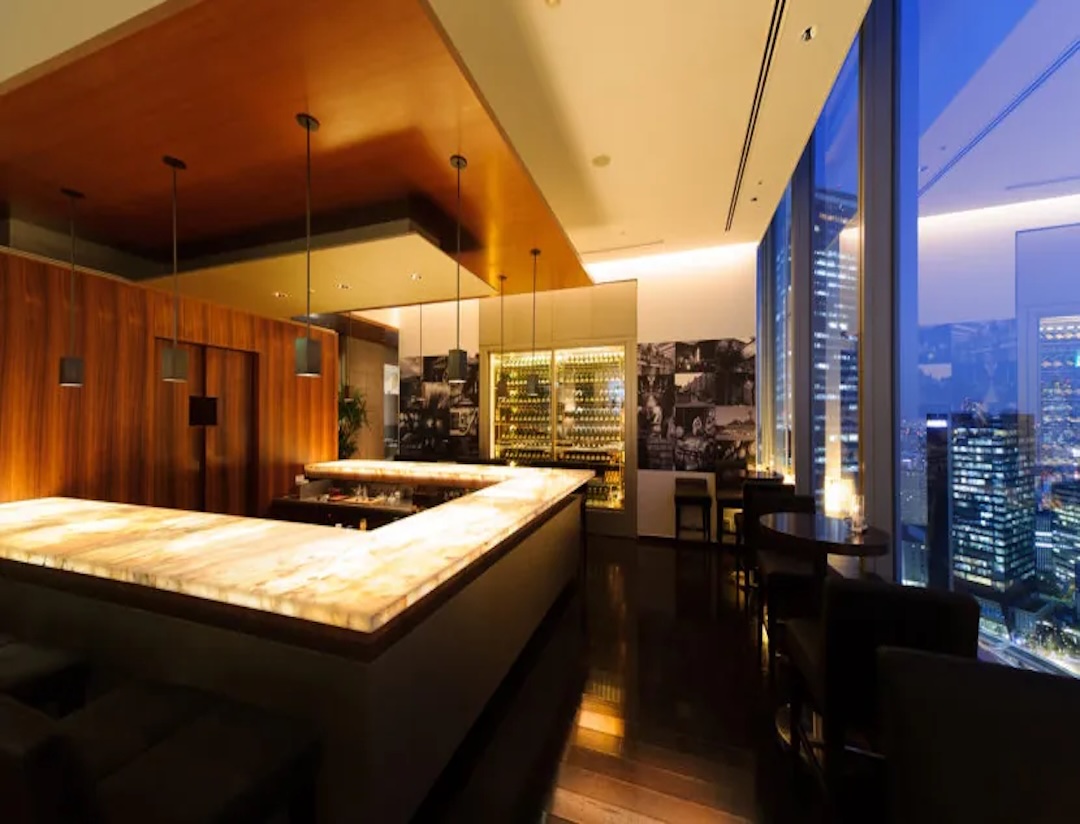
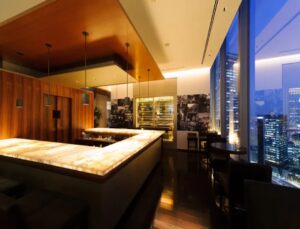
  • The Society: Cocktails crafted by our skilled bartenders emphasize the unique bar skills and subtlety of Japan. At The Society, you can experience cocktails that express Japanese aesthetics and are made with an abundance of domestic and international herbs and seasonal fruits. In addition, we offer a selection of local sake from around Japan and approximately 100 single malt whiskies imported from Scotland.
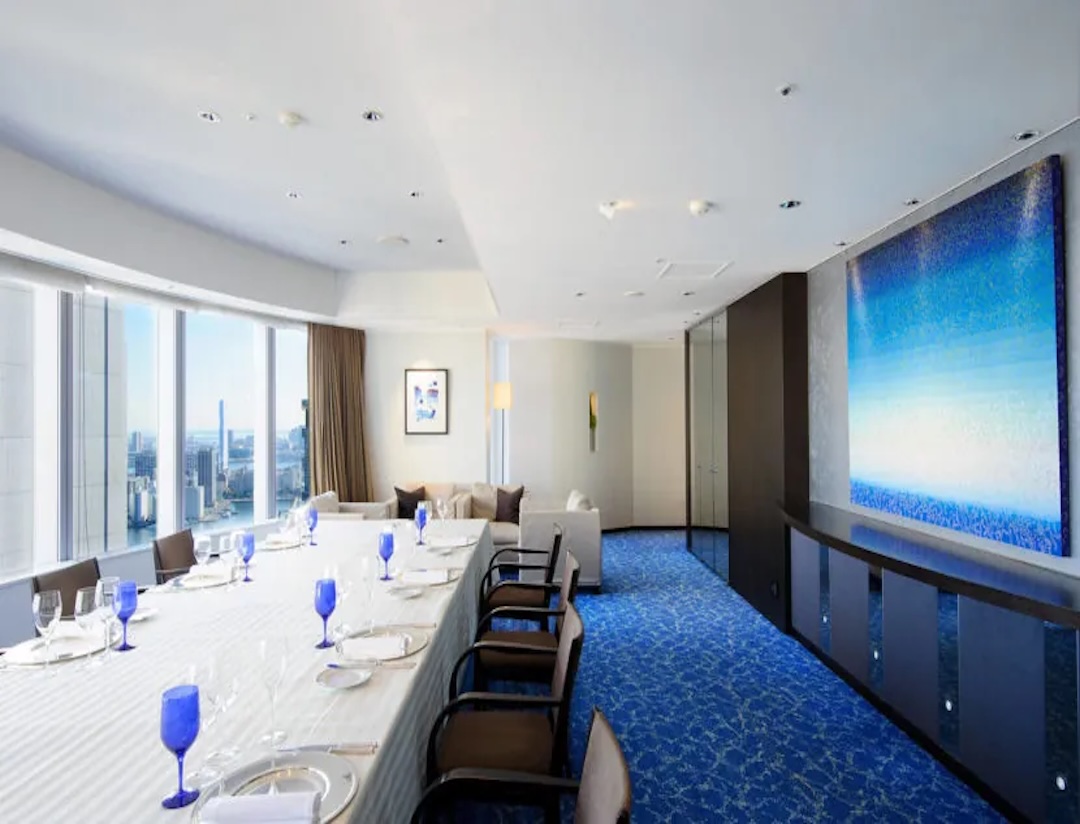
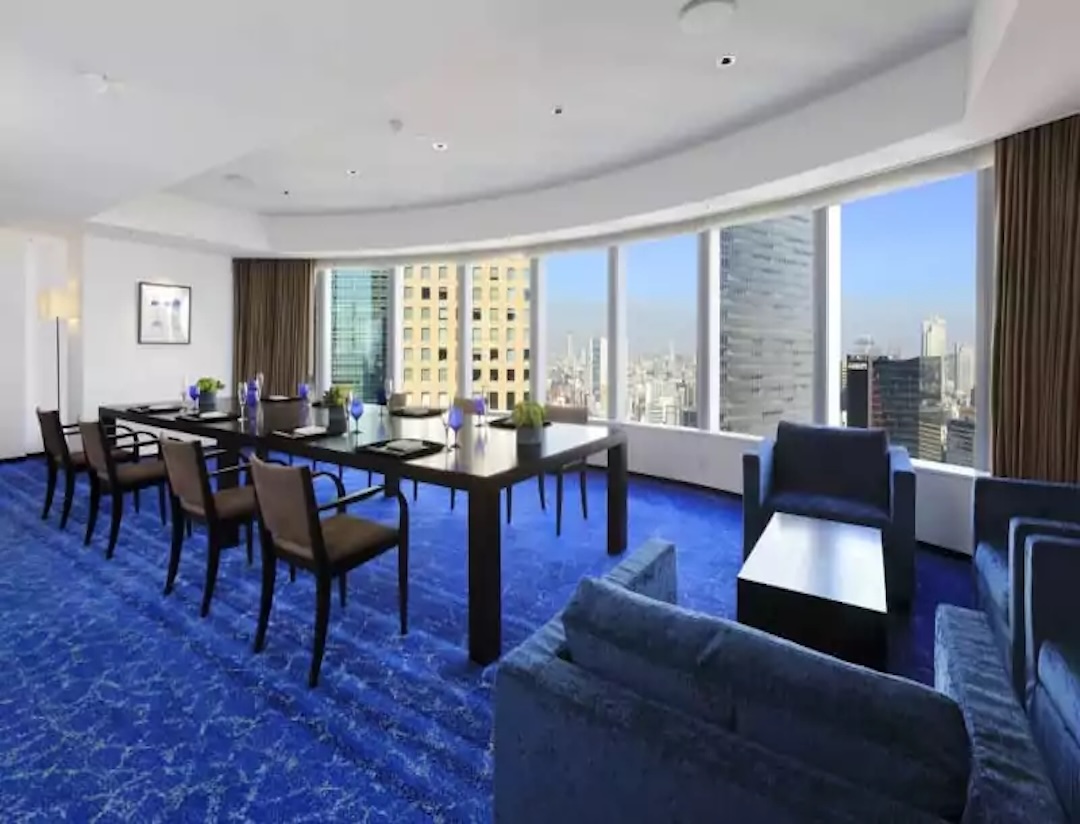
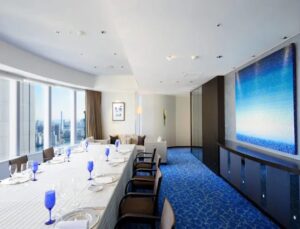
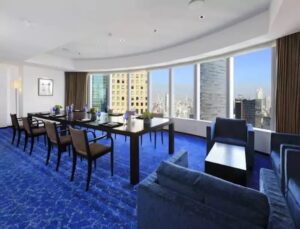
  • Blue Room: This private area is the perfect venue for an elegant meal with special guests or an especially important event or ceremony. Whatever the occasion, the spectacular view from this private salon on the 26th floor of the beautiful Park Hotel Tokyo will enhance the experience of a memorable event.
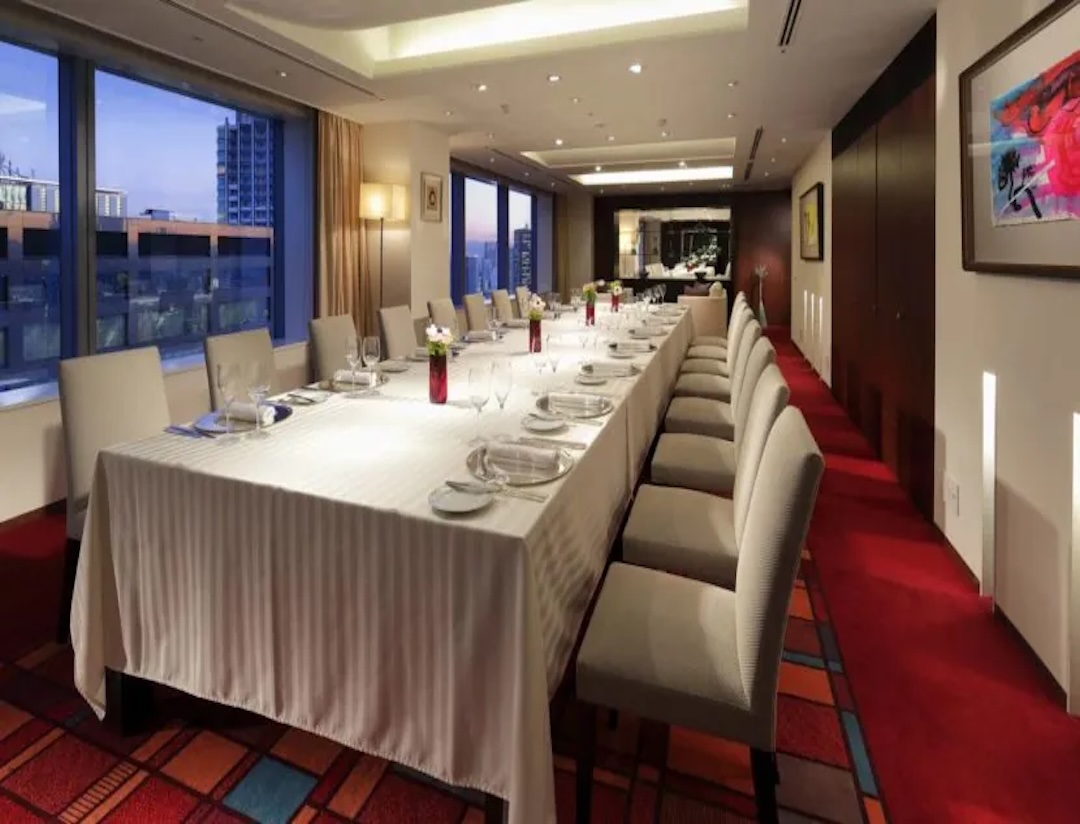
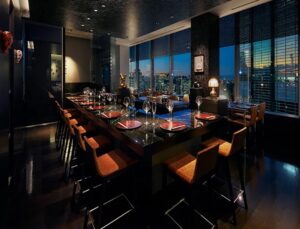
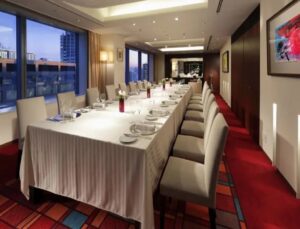
  • Scarlet Room: Enjoy French or Japanese cuisine with elegant cutlery. The salon caters for lunch and dinner.


Facilities & Services
  • 24-hours front desk 
  • Room service 
  • Daily housekeeping
  • Concierge Service 
  • Restaurant
  • Bar
  • Lounge 
  • Art Shop 
  • Spa 
  • Laundry Service 
  • Parking Lot 
  • Smoking space 

Proceed Booking