
Challenging Asia’s current tourism giants is the emerging powerhouse of Vietnam.
With amazing powder-white beaches like Phu Quoc and secluded Con Dao, the emerald-green landscapes of Ninh Binh punctuated by dramatic inland limestone karsts and meandering rivers, centuries-old temples and extraordinary UNESCO World Heritage sites, Vietnam offers one of Asia’s most diverse travel experiences. By learning from the overdevelopment challenges faced by other destinations, Vietnam is implementing an exceptional strategy centered on regenerative and circular tourism. This proactive approach helps safeguard the immersive, culturally rich experiences that make the nation truly unique.
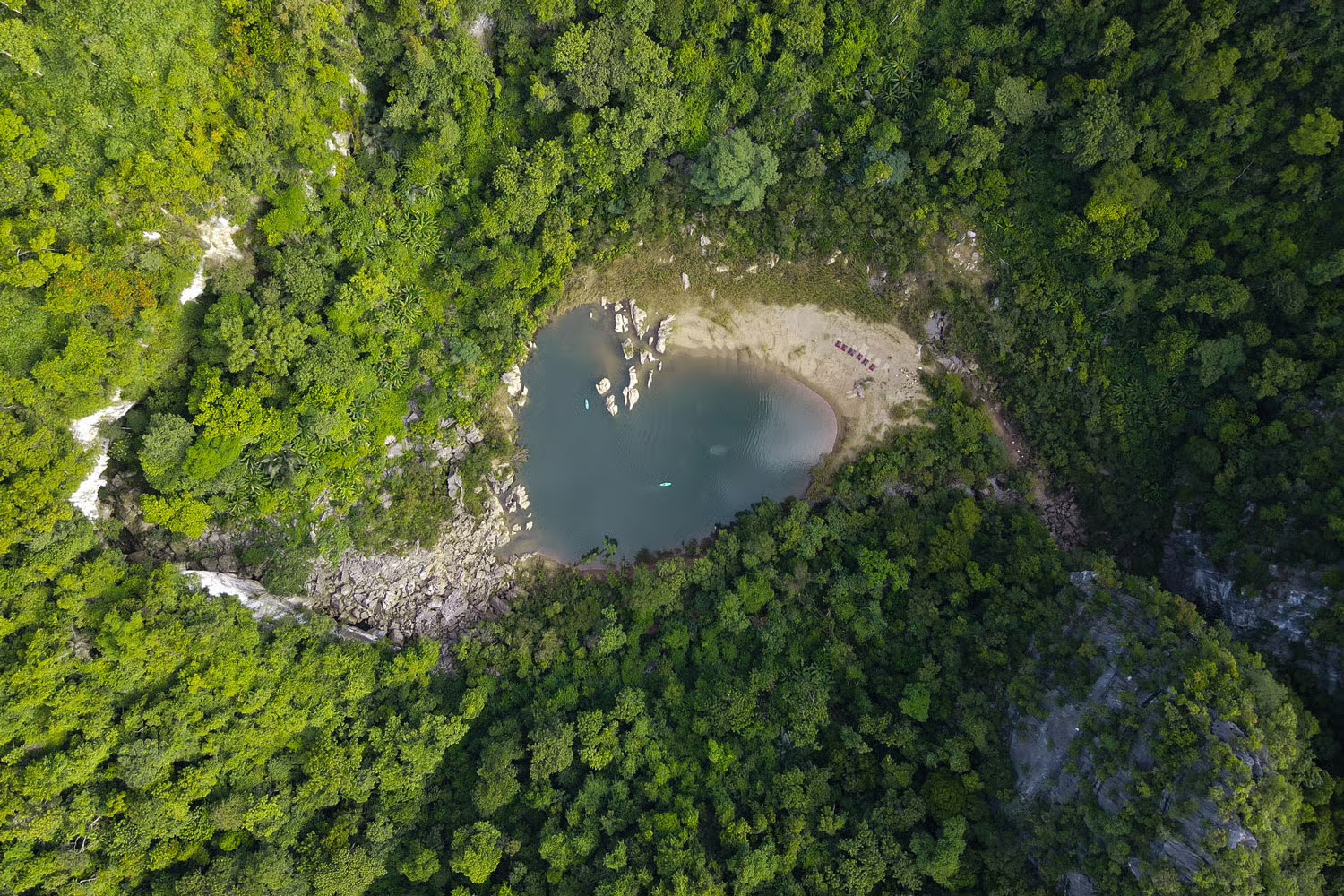
A premier example of this sustainable model is Son Doong Cave, a one-of-a-kind adventure. As the world’s largest natural cave, it is a pristine underground environment. Allowing only 1,000 travelers a year, it is already sold out for 2026 and 2027. U.S. travelers dominate those seeking the ultimate trophy experience. Booking one to two years out, adventurers prove Son Doong isn’t just a trip—it’s a legendary journey that’s worth the wait.
By 2050, Vietnam is slated to open 14 international airports and 21 domestic airports, including access to many hidden gems. S. E. Asia’s largest airport, Long Thanh Airport is expected to open by the end of 2026 near Ho Chi Minh City, connecting to the city by a new expressway and metro lines. Inspired by Vietnam’s natural landscapes, “The Terminal of the Water Gardens” designed as a lotus flower integrates automated biometric check-ins, lush indoor ponds and massive skylights. Another 5star benchmark is Gia Binh Airport, Hanoi opening in 2027. It will redefine travel and join the world’s most prestigious airports.
In a country where luxury is still accessible, more 5star hotels are opening soon: The Four Seasons Hanoi, Park Hyatt Phu Quoc, and Nobu Hotel Danang on My Khe Beach, known as one of the most beautiful beaches on the planet.
Vietnam’s national priority is protecting its treasures and unspoiled beauty. It is more than conserving the environment; it means safeguarding the local heritage and traditions, while continually raising the quality of tourism services. Unlike many worldwide hotspots suffering from overtourism, Vietnam is embracing uncompromising and resilient sustainability over short-term gains to inspire travelers and leave a priceless legacy.